
Last updated October 16, 2026
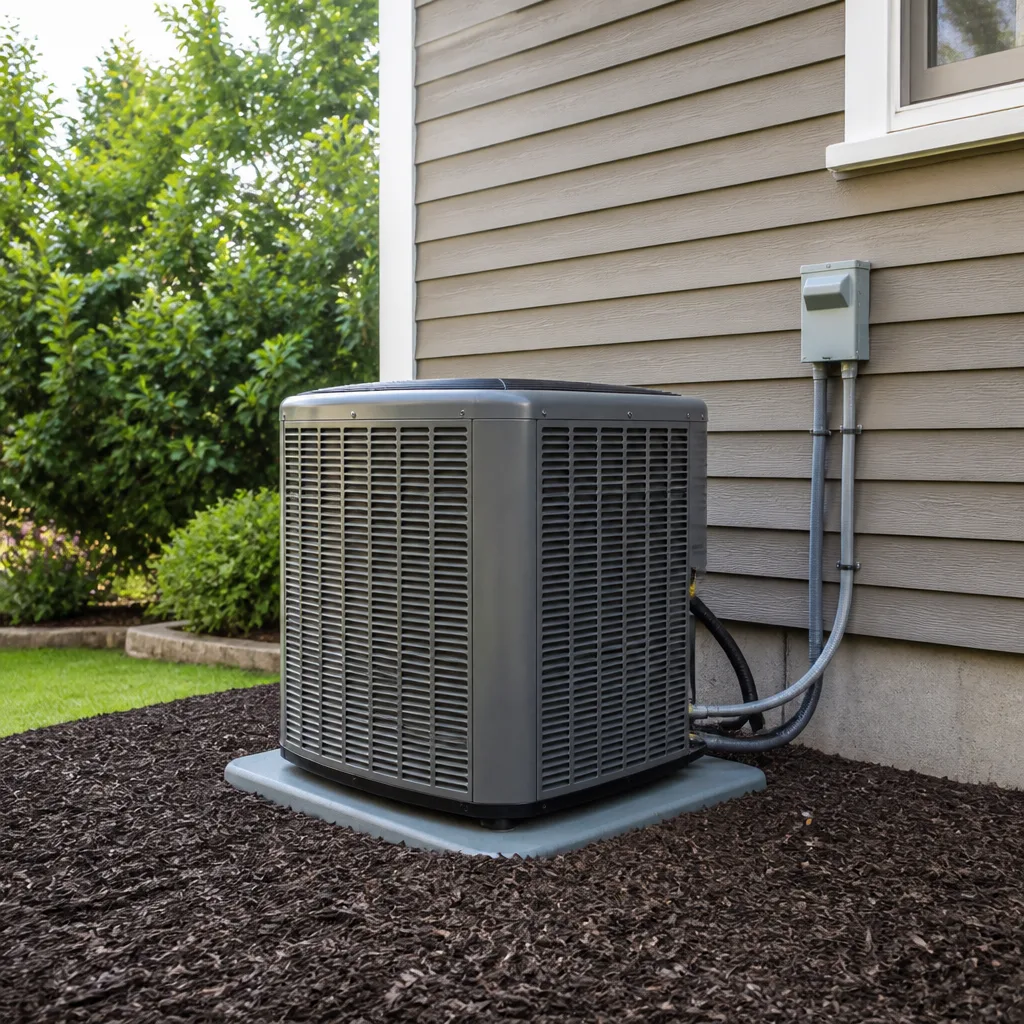 AC repair
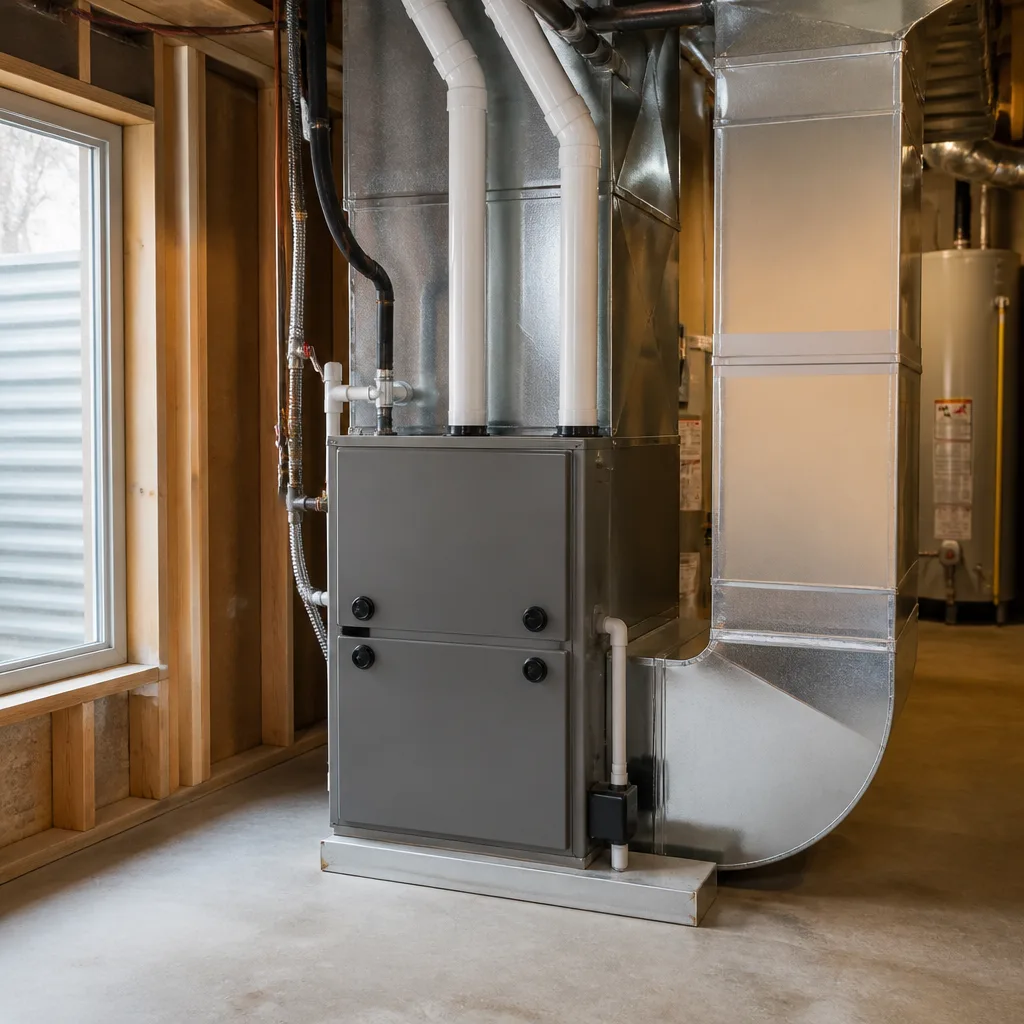 Furnace & heating
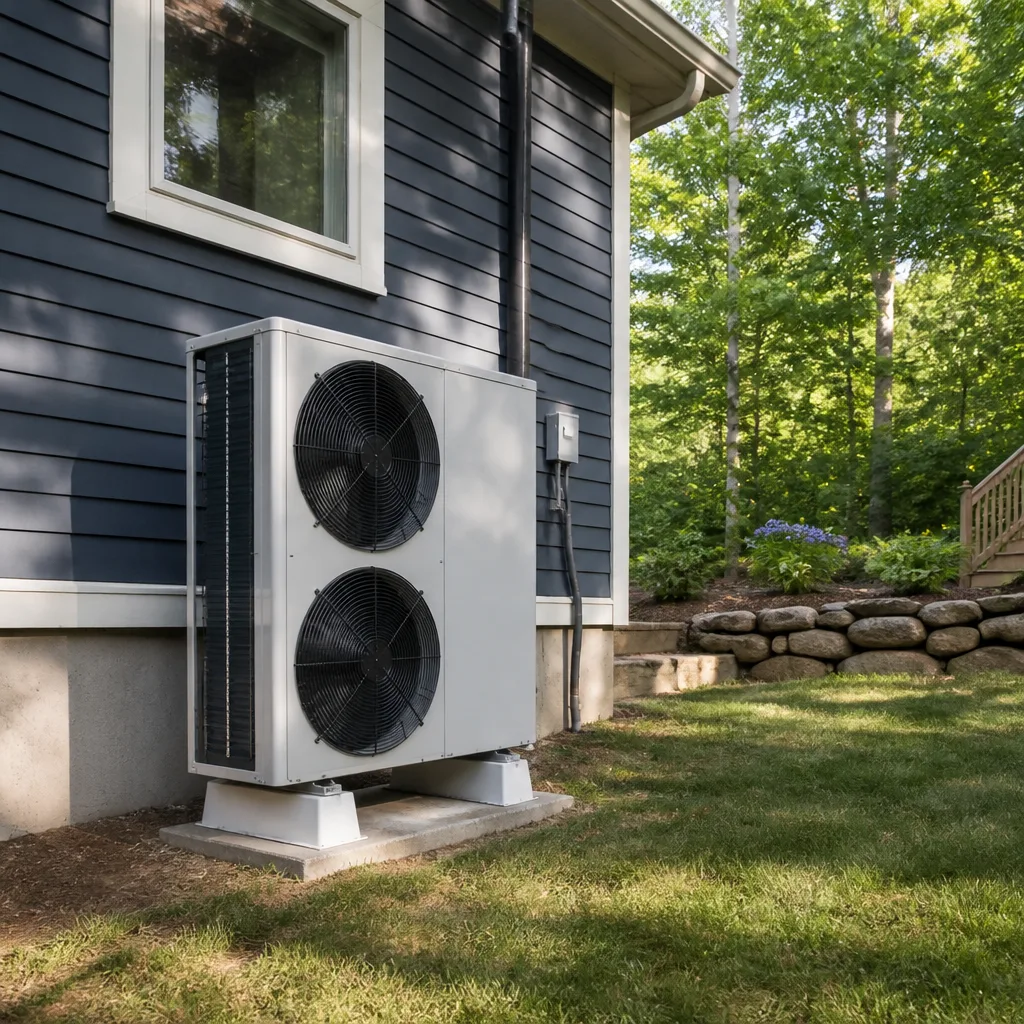 Heat pumps
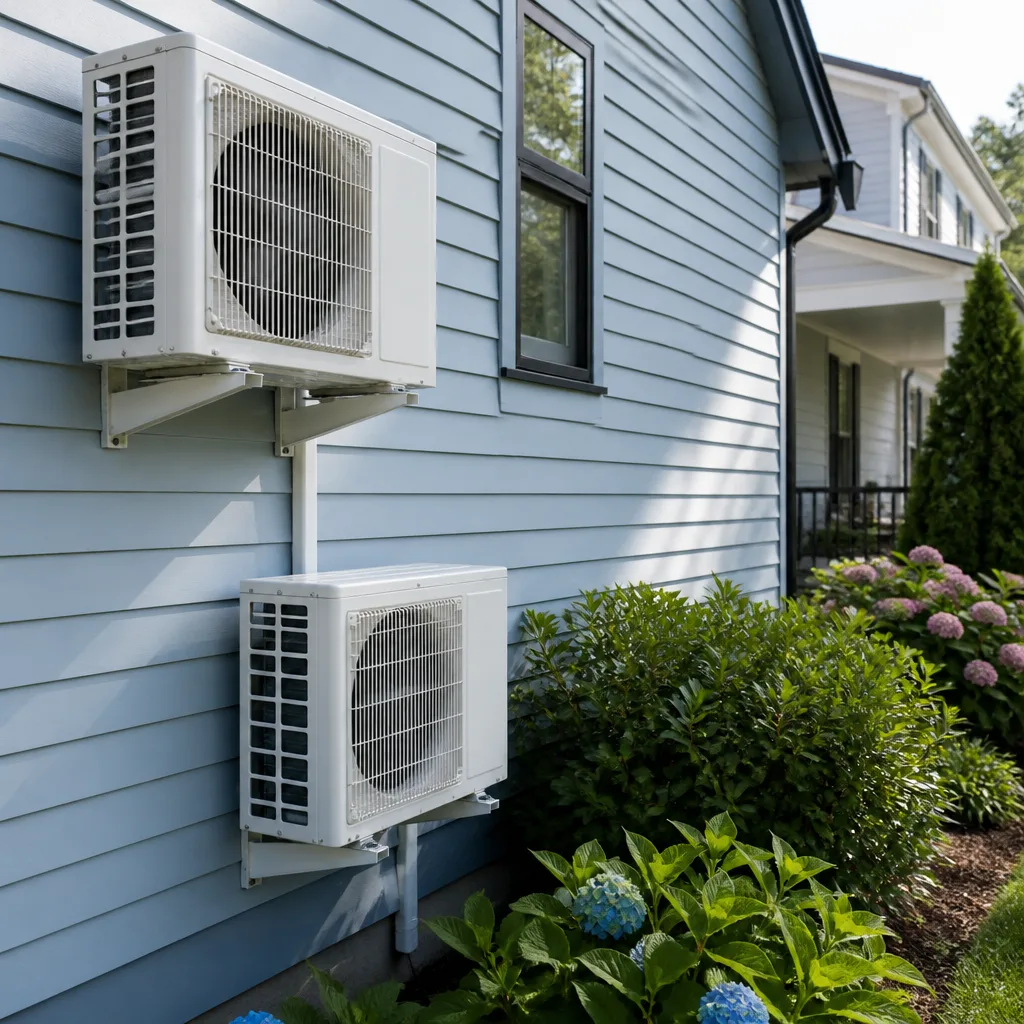 Ductless mini splits
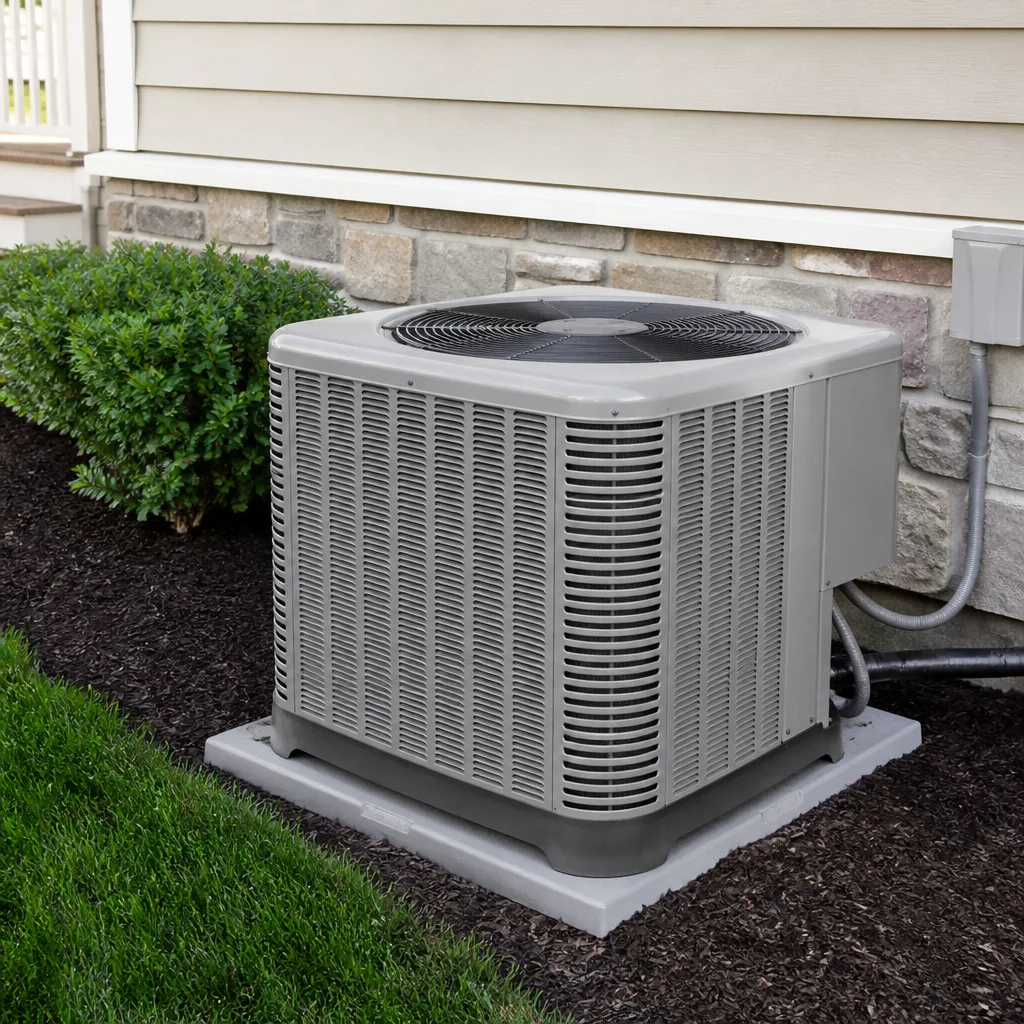 Carrier
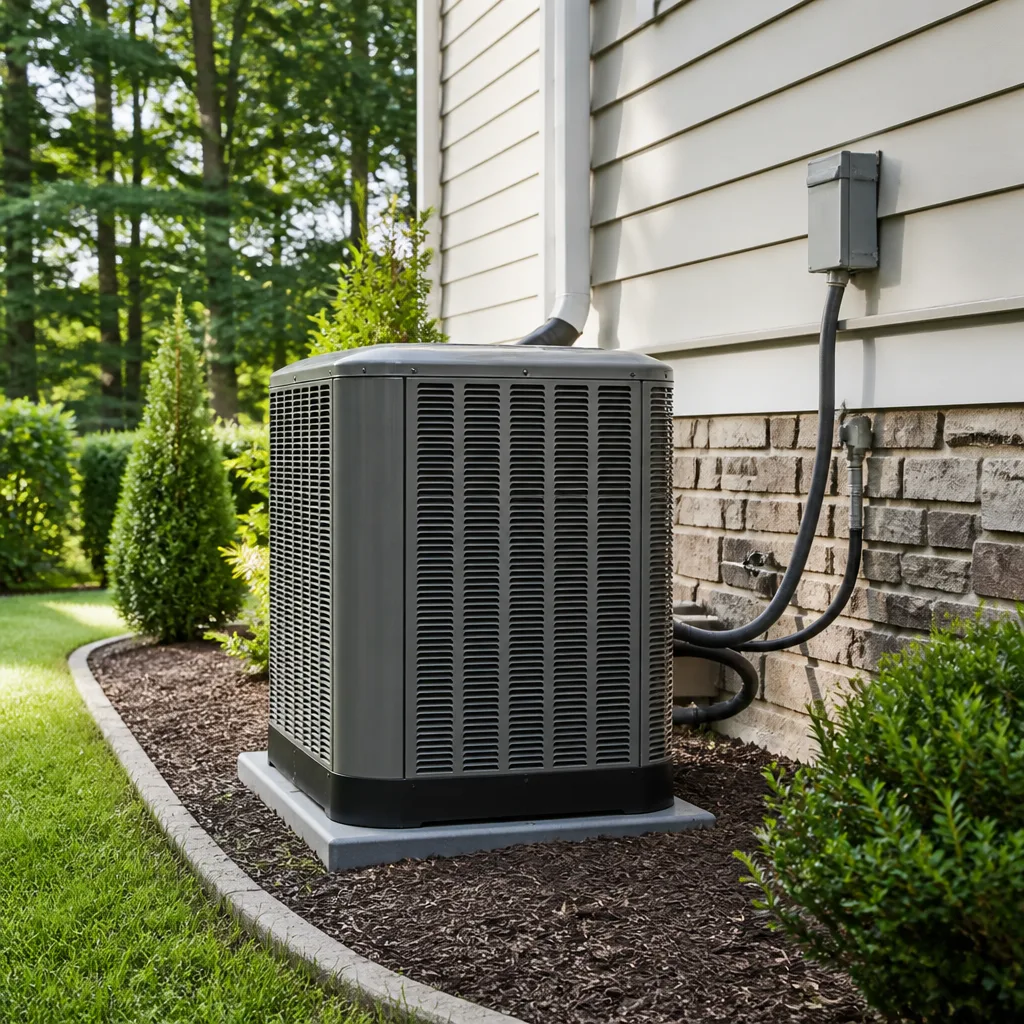 Trane
Trane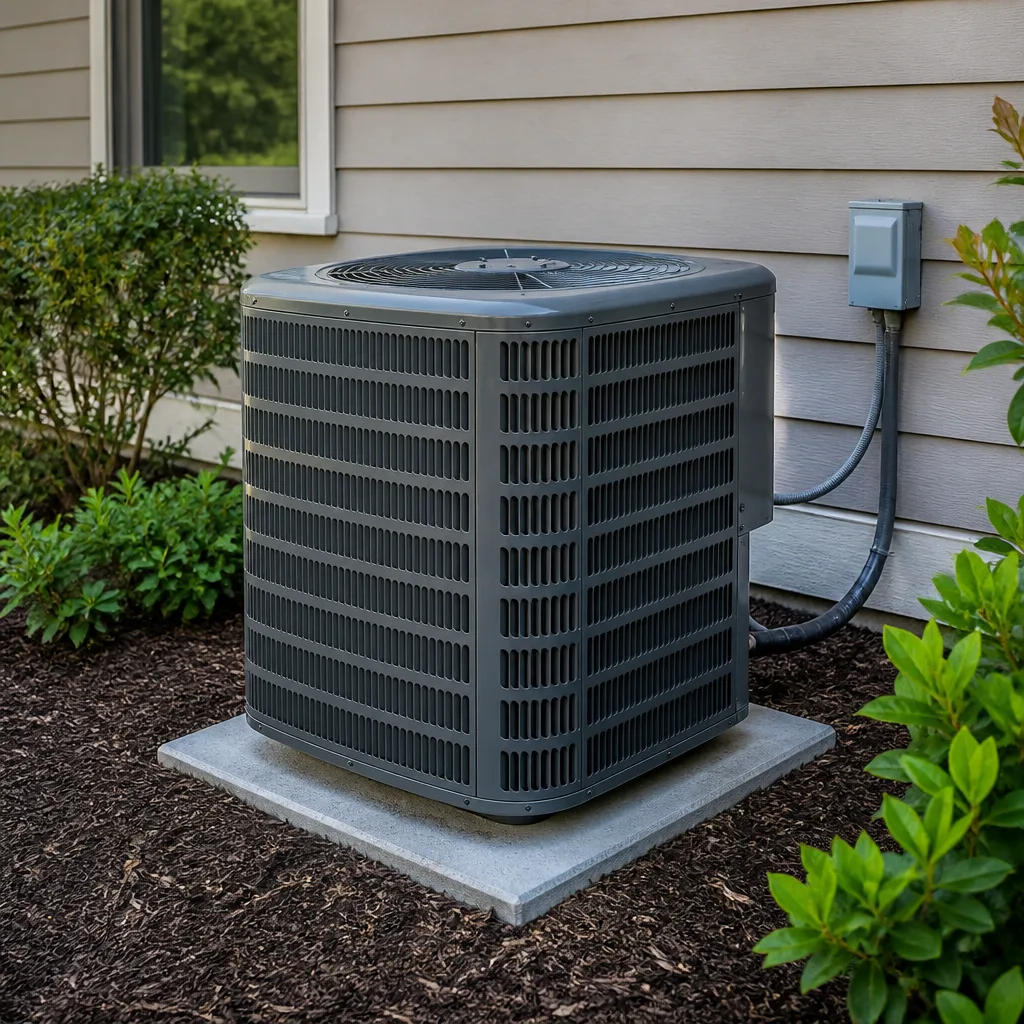 Goodman
Seasonal tune-up and full diagnostic on your Carrier, Trane, or Goodman system - readings shown to you before any repair is proposed
Diagnosis first, numbers second - you approve the repair price before a single part goes in.
Get your free estimateHVAC Permits, Codes & Inspections in CA: What You Need to Know
Here’s a fact most Orange County homeowners learn the hard way: an HVAC permit is not a tax on your remodel. It is the only document that proves your new furnace or heat pump was installed to California code. Without it, your equipment warranty can be voided by the manufacturer, your homeowner’s insurance can deny a related claim, and your home can fail a buyer’s inspection at resale. This guide walks through exactly which HVAC jobs need a permit in California, what the Title 24 form actually does, what an Orange County inspector checks, and where the owner-builder exemption lets you do the work yourself. For more guides & resources on keeping your system compliant, explore our blog. You’ll leave knowing how to protect your home, your warranty, and your family.
Styles & brands we work with
Quick Answer
In California, most HVAC replacements and all new installations require a building permit issued by your local city or county, plus a Title 24 compliance form filed with an approved third party. The permit exists to verify the equipment was sized correctly, installed to current energy code, and connected safely. Skipping it can void your equipment warranty, give your insurance company grounds to deny a claim, and complicate selling your home.
Table of Contents
- Which HVAC Jobs Require a Permit in California
- The Minor Work Exemption: What It Actually Covers
- Title 24 Compliance: The Form Your Contractor Must File
- What an Orange County Inspector Checks During an HVAC Inspection
- How Unpermitted HVAC Work Shows Up in Your Home’s Permit History
- The Owner-Builder Exemption: What You Can Legally Do Yourself
- What HVAC Permits and Inspections Cost in Orange County
- Common Mistakes to Avoid
- When to Call a Professional
- Frequently Asked Questions
- The Bottom Line
Which HVAC Jobs Require a Permit in California
California Building Code Section 105.1 says plainly: any mechanical system that is new, altered, or replaced requires a permit. That word “replaced” is the one most homeowners miss. Many people assume a swap-out job, where you replace an old furnace with a new furnace of the same size in the same location, is just maintenance. It is not. Under the California Mechanical Code, a like-for-like equipment replacement still requires a permit because the new unit must be verified against current energy efficiency standards and safety clearances.
Here is what requires a permit in Orange County and just about every other city in California:
- Installing a new air conditioner or heat pump, whether it’s a first-time installation or a brand new system for a new addition
- Replacing an existing furnace, air handler, or AC condenser, even if the size and location stay the same
- Installing or relocating ductwork in any part of the home
- Adding a mini-split system, even a single-zone wall-mounted unit
- Upgrading an electrical panel to support a new HVAC system (this triggers a separate electrical permit, usually pulled at the same time)
- Converting from a gas furnace to an electric heat pump or vice versa
What does not require a permit: filter changes, thermostat battery replacement, cleaning the condensate line, and basic maintenance. Those are service calls. If the work touches gas lines, refrigerant, electrical connections, or ductwork, assume a permit is required unless a licensed contractor confirms in writing that the specific job falls under the minor work exemption below.
In Orange County, cities like Irvine, Anaheim, Santa Ana, and Huntington Beach each issue their own permits through their building departments. That means the exact form, fee, and turnaround time varies by city, but the underlying code requirement is identical because it comes from the state. A furnace replacement in Mission Viejo and one in Fullerton both need a permit. No city opts out of California Mechanical Code.
The Minor Work Exemption: What It Actually Covers
California Building Code Section 105.2 lists work that is exempt from permits. The list is specific, and the HVAC entries are narrow. You will hear contractors say a job is “exempt” or “doesn’t need a permit.” Before you accept that, here is what the code actually exempts for mechanical work:
- Portable heating appliances with self-contained fuel systems, such as a portable propane heater you plug in for a patio
- Portable ventilation equipment that is not permanently connected to the home’s ductwork or electrical wiring
- Portable cooling units, like a window AC unit that plugs into a standard outlet
- Stopping leaks in existing ducts, as long as no ductwork is added or relocated
- Replacing a thermostat with a like-for-like model, provided no new wiring is run
That is it. The exemption does not cover replacing a condenser, furnace, air handler, or heat pump. It does not cover adding a return air grille to improve airflow. It does not cover reconnecting a refrigerant line set after a coil replacement. In our experience across Orange County, we see this exemption misused most often on condenser replacements. A contractor tells the homeowner a new outdoor unit is “just like swapping a part.” It is not. The new condenser has to be matched to the indoor coil, the refrigerant charge has to be verified, and the electrical disconnect has to meet current clearance rules. That is exactly what a permit inspection is designed to confirm.
Title 24 Compliance: The Form Your Contractor Must Provide
Title 24 is California’s building energy efficiency code. For every HVAC replacement or new installation, your contractor must complete a Certificate of Compliance, known as a CF-1R for residential replacements, and file it with a state-approved third-party registry. That registry is what makes the form real. A printed piece of paper with “Title 24” at the top means nothing if it was never filed with a registry like CHEERS or CalCERTS.
Here is how to think about it: the permit proves the work was inspected for safety. The Title 24 form proves the work was verified for energy performance. Both are required. A job can pass inspection and still be out of compliance if the Title 24 form was never filed, and a job can have a filed Title 24 form and fail a safety inspection.
What a legitimate Title 24 CF-1R includes:
- The home’s address and the installer’s contractor license number
- The model numbers and efficiency ratings (SEER2 for cooling, AFUE for heating) of the new equipment
- Refrigerant charge verification or a charge verification certificate where applicable
- Duct leakage testing results, which in California must show no more than 15% leakage (and often less in certain climate zones)
- A registration number from the third-party registry proving the form was actually filed
In Orange County, most jurisdictions sit in Climate Zone 8 or 10 depending on proximity to the coast. That affects the minimum efficiency rating for new equipment. A home in Seal Beach and a home in Rancho Santa Margarita can have different Title 24 requirements for the same furnace. A contractor who pulls permits in Orange County every week knows which climate zone applies to which city. If your contractor tells you a Title 24 form is “optional” or “just paperwork,” find another contractor.
You can verify whether a Title 24 form was filed by asking the contractor for the registration number and checking it with the third-party registry. The registry records are public. If the number does not come up, the form was never filed, which means your permit was never closed out and your equipment warranty may be at risk.
What an Orange County Inspector Checks During an HVAC Inspection
When a permit is pulled for an HVAC job in Orange County, the project gets at least one inspection, sometimes two. Here is the process a typical homeowner should expect, step by step:
- Permit posted. The permit card goes on the job site, often in a front window or on the equipment itself. The inspector needs to see it.
- Rough inspection (if ductwork or gas lines are involved). Before drywall goes back up, the inspector checks duct connections, gas pipe joints, and clearance to combustibles.
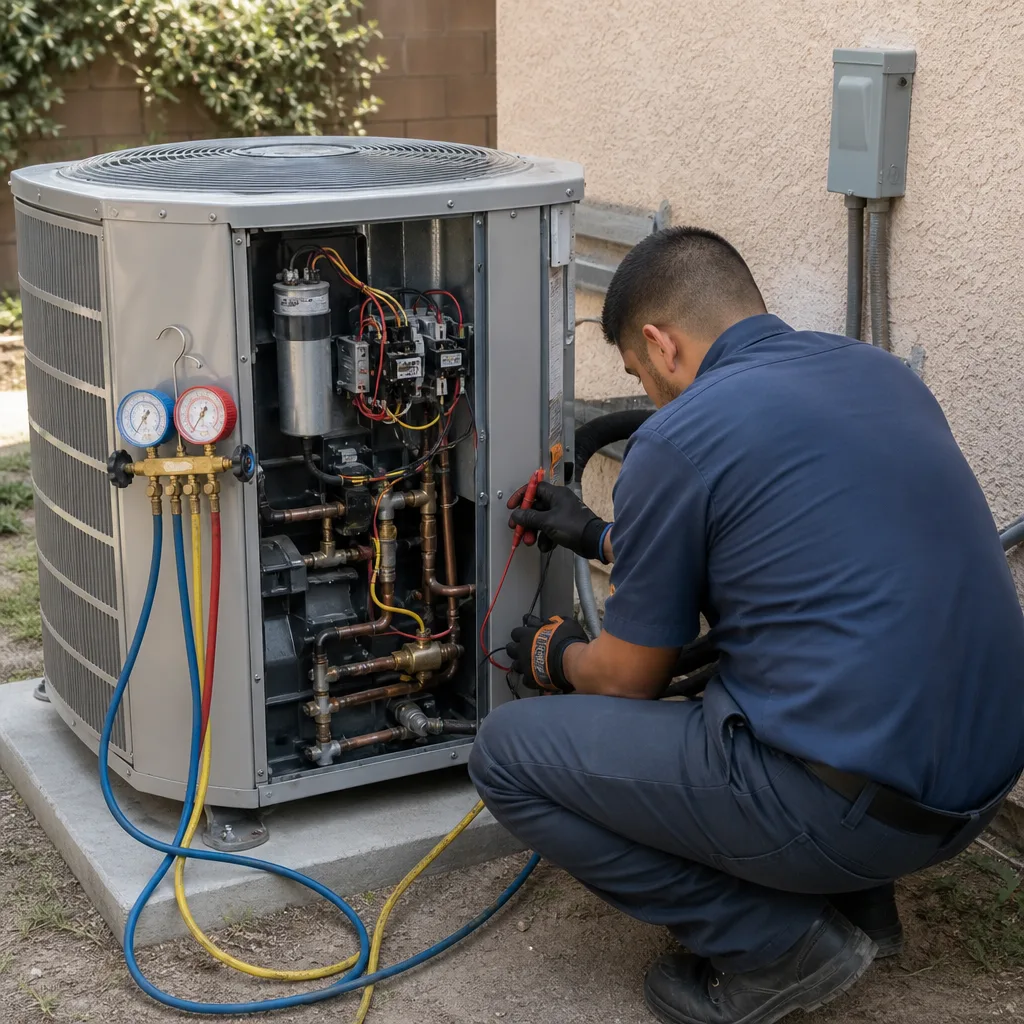
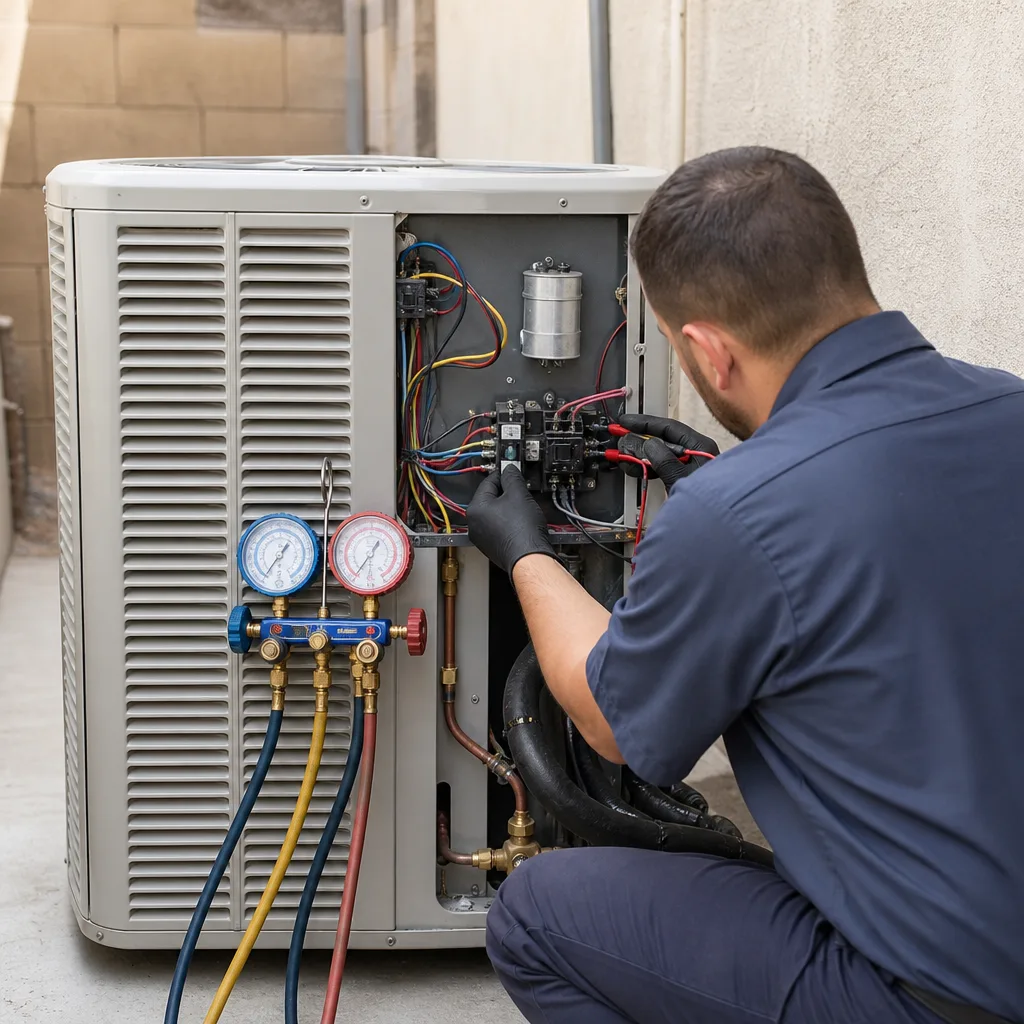
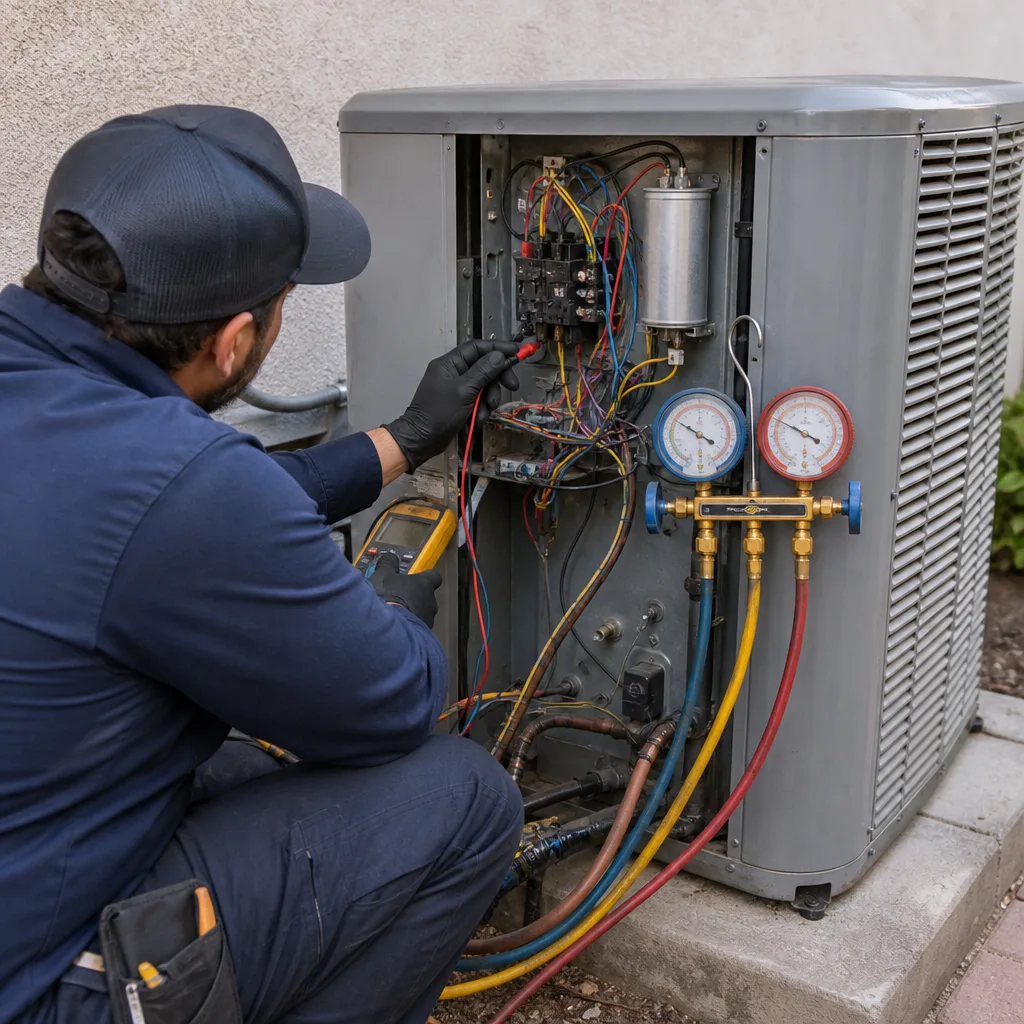
- Final inspection. After the equipment is installed and running, the inspector verifies the unit is level, the electrical disconnect is within sight and within reach, the condensate line drains properly, the gas pressure is correct, and the refrigerant line set has the required insulation.
- Documentation check. The inspector asks for the Title 24 form and the equipment manual. If the Title 24 form is missing, the final inspection fails on the spot.
- Pass or correction. If everything is right, the inspector signs off and the permit is closed. If something is wrong, the inspector issues a correction notice and schedules a reinspection.
What does a failed inspection cost? The reinspection fee in most Orange County cities runs from $80 to $150. But the bigger cost is time. You do not have a closed permit until the reinspection happens, and some cities schedule reinspections a week or more out. If the equipment is already running, you are technically operating with an open permit, which can complicate an insurance claim during that window.
Common reasons an Orange County HVAC inspection fails:
- Title 24 form not filed with a registry before the final inspection date
- Condensate drain not sloped or terminated correctly
- Electrical disconnect out of reach or blocked by landscaping
- Gas flex line run through a cabinet wall, which is a code violation
- Stand or platform not level for the condenser
- Missing mastic seal on duct connections
These are all correctable. But they are all things a senior installer catches before the inspector arrives. When we install a Goodman or Rheem system in an Irvine home, the lead technician does a pre-inspection walk before the city inspector comes out. That walk catches most correction notices before they happen, which means a smooth final inspection on the first visit.
How Unpermitted HVAC Work Shows Up in Your Home’s Permit History
Here is the part most guides skip: what happens to unpermitted HVAC work over time. The answer is that it becomes part of your home’s permanent record, whether you list it or not.
When you pull a permit for any job in Orange County, that permit goes into a building department database. It is public record. When a buyer’s agent does due diligence, one of the standard requests is a permit history report from the city. That report shows every permitted job on the property. In a rising number of Orange County transactions, the buyer’s agent also pulls the county assessor’s record to see if the square footage or equipment count matches the permit history.
Unpermitted HVAC equipment shows up in three ways:
- The permit history gap. The home’s record shows an original 1995 furnace permit and nothing since, but the equipment at the home is a 2018 Daikin system. The gap is visible to any buyer’s agent who walks the home and reads the data plate.
- The home inspection report. Home inspectors in Orange County routinely write up HVAC systems that do not appear in the permit record. That write-up becomes a negotiation item.
- The insurance company. If you file a claim involving the HVAC equipment, the adjuster may check the permit history. Unpermitted equipment gives the insurer a denial reason that has nothing to do with the actual cause of loss.
The outcome in a sale is usually one of three things: the seller pays to have the work retroactively permitted, the seller credits the buyer for the cost of a new permitted system, or the deal falls apart. In our experience working with Orange County families, the retrofit permit path is painful because the installer who did the unpermitted work is often out of business or unwilling to take responsibility, which means the new contractor has to open walls or ceilings to prove the work meets current code.
If you are buying a home in Orange County and the seller cannot produce closed permits for the HVAC equipment, treat that as a repair cost you will own. The cheapest time to deal with it is before you close.
The Owner-Builder Exemption: What You Can Legally Do Yourself
California allows homeowners to act as their own contractor on their primary residence. That is the owner-builder exemption, and it covers HVAC work just like any other trade. But the exemption is not a free pass from code. It is a free pass from the contractor licensing requirement. You still have to pull a permit, file a Title 24 form, and pass an inspection.
Here is where the owner-builder path gets complicated for HVAC specifically:
- Refrigerant work requires EPA Section 608 certification. If you are replacing a condenser or heat pump, you are legally required to hold an EPA 608 card to handle refrigerant. Most homeowners do not have one.
- Gas line work is not a beginner’s job. If your furnace or water heater shares a gas line with the equipment you are working on, you need to know how to test that line correctly. The inspector will check.
- Electrical work tied to HVAC requires knowledge of the California Electrical Code. A wrong disconnect installation fails inspection every time.
- Title 24 forms require online registration and a HERS rater for duct testing in most cases. You can file a CF-1R yourself, but if your city requires HERS duct testing, you need a certified rater to do the actual test.
Where the owner-builder path works: installing a window unit, mounting a portable mini-split that plugs into a standard 120V outlet (rare in the US market, but they exist), or performing maintenance like filter changes and coil cleaning. Where it ends: anything that touches refrigerant, gas lines, or a breaker panel. A homeowner in Santa Ana who spends two weekends trying to replace a condenser without an EPA card and a permit is creating a warranty problem, an insurance problem, and a resale problem at the same time.
If you want to be an owner-builder on an HVAC job, call the Orange County city building department where you live and ask what the city requires for owner-builder HVAC permits. Some cities require an owner-builder disclosure form that goes on record and transfers to any future buyer if the home sells within a set period. That disclosure is a real liability in a resale.
What HVAC Permits and Inspections Cost in Orange County
Permit fees for HVAC work in Orange County range from about $120 to $400 depending on the city and the scope of work. A simple furnace replacement in Garden Grove runs closer to $120. A full system with ductwork replacement in Newport Beach can run closer to $400. Here is a realistic breakdown:
- Building permit (mechanical): $120 – $400 depending on the city and job size
- Electrical permit (if a panel upgrade is required): $80 – $250
- Title 24 CF-1R filing: $50 – $150, often included in the contractor’s fee
- HERS duct testing: $100 – $300 if required by your climate zone and city
- Reinspection fee (if the first inspection fails): $80 – $150
When you hire a licensed HVAC contractor in Orange County, the permit fee and Title 24 filing are typically rolled into the job quote. You should see them as line items on the written proposal. If a proposal does not mention the permit, ask. If the answer is “we don’t need one,” that is a red flag. Any contractor who tells you a furnace or AC replacement in Orange County does not need a permit is either misinformed or cutting corners to win the job. Watch for these and other HVAC Warning Signs: A Orange County Homeowner’s Reference Guide.
There is no official “expedited permit” option in most Orange County cities, but some cities now offer same-day over-the-counter permits for simple like-for-like replacements if the paperwork is complete. That is a real advantage when the work is done by a contractor who has a relationship with the local building department and knows exactly what each city wants to see.
Common Mistakes to Avoid
- Believing a like-for-like replacement needs no permit. The California Mechanical Code says “replaced” requires a permit. This is the most expensive mistake we see, and it shows up at resale or claim time.
- Accepting a printed Title 24 form without a registration number. If the form was never filed with CHEERS or CalCERTS, the permit is not closed and the form is worthless. Verify the registration number.
- Letting the contractor skip the permit to “save you money.” The savings on a skipped permit in Orange County is usually $150 to $400. The cost of a retroactive permit or a denied insurance claim is measured in thousands.
- Not checking the contractor’s license before the job. Verify any Orange County contractor on the CSLB website. An unlicensed installer cannot pull a permit in their own name, which is why unlicensed operators suggest skipping the permit entirely.
- Assuming the home inspector will catch HVAC problems at resale. A home inspector flags what they can see. An unpermitted York furnace installed five years ago looks like a furnace unless someone checks the permit history. Buyer’s agents now check.
- Scheduling the final inspection before the Title 24 form is filed. The form must be in the registry before the inspector arrives. Filing it after the inspection fails is a self-inflicted delay.
- Buying equipment online and hiring a handyman to install it. The manufacturer’s warranty on a Goodman, Rheem, or Daikin unit is void if the installing party is not a licensed contractor. The savings vanish the first time something breaks.
When to Call a Professional
Any job that touches refrigerant, gas lines, or a breaker panel should be handled by a licensed professional, full stop. That is not gatekeeping. Refrigerant is a regulated substance. Gas line work can kill if done wrong. Electrical work tied to HVAC equipment carries enough voltage to stop a heart. Beyond safety, the permit and Title 24 process is simply faster when a contractor who does it every week handles it. An Orange County contractor who works in Irvine, Anaheim, and Huntington Beach knows which city wants what form, which registry to file with, and how to schedule the inspection so the project closes on the first pass.
Meadowsweet Heating and Air Orange County offers free estimates in Orange County. Call (831) 618-1580 and a live person answers, any hour, any day. We pull the permit, file the Title 24 compliance, and handle the inspection for you. The written price includes the permit line item before any work starts.
Frequently Asked Questions
Yes. Replacing an air conditioner, furnace, or heat pump requires a mechanical permit under California Building Code Section 105.1, even when the new unit is the same size and goes in the same location. The permit verifies the equipment meets current safety clearances and energy standards. Call (831) 618-1580 if you want a written quote that includes the permit for your Orange County home.
A Title 24 Certificate of Compliance (CF-1R) is a form your contractor files with a state-approved registry to prove your new HVAC equipment meets California energy efficiency code. Without it, your permit cannot be closed and your equipment warranty may be void. Always ask for the registration number and verify it with the registry yourself.
You can pull an owner-builder permit and install a mini-split yourself, but most mini-splits require refrigerant line connections, which require an EPA Section 608 certification. If the unit uses a pre-charged line set and plugs into a standard outlet, the owner-builder path is workable. Anything involving refrigerant charging requires a licensed contractor.
Simple like-for-like replacements often get same-day or next-day permit issuance in cities like Garden Grove, Fullerton, and Santa Ana if the paperwork is complete. Jobs that involve new ductwork or a panel upgrade take longer because they require plan review and a rough inspection. Expect one to three weeks total for a full system replacement with ductwork.
The buyer’s agent and home inspector can see the permit gap in the city’s public records. You will likely be asked to pay for retroactive permitting, offer a credit for replacement, or renegotiate the sale price. In Orange County’s competitive market, unpermitted HVAC is one of the most common renegotiation items.
No. Home warranty companies and manufacturer warranties both exclude equipment that was not installed under a valid permit. If a manufacturer learns the system was installed by an unlicensed person or without a permit, the warranty claim is denied. That is one reason licensed installation matters as much as the equipment brand.
The Bottom Line
An HVAC permit in California is not bureaucratic overhead. It is the proof that your equipment was installed safely, meets energy code, and will be covered by its warranty and your insurance. Skipping it saves a few hundred dollars today and risks thousands at resale or claim time. In Orange County, where buyer’s agents routinely pull permit histories, unpermitted HVAC equipment is one of the most predictable deal killers. Pull the permit, file the Title 24 form, pass the inspection, and keep the record. That record is what protects your home, your family, and your investment. For a free estimate on permitted HVAC work in Orange County, call (831) 618-1580.
Written by Luis Serrano, Owner at Meadowsweet Heating and Air Orange County, serving Orange County since 2004.
See the difference
 Before
 After
After Before
 After
After Before
 After
After