
Last updated October 16, 2026
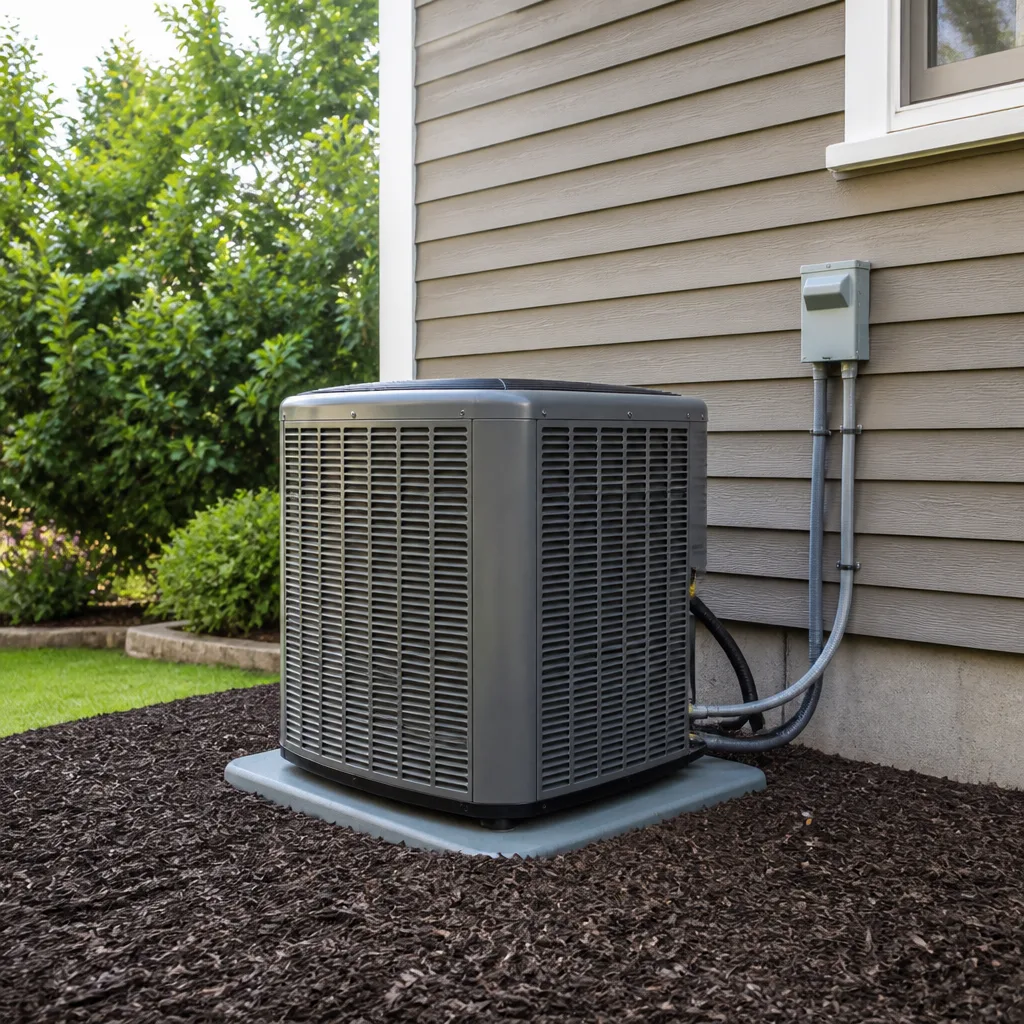 AC repair
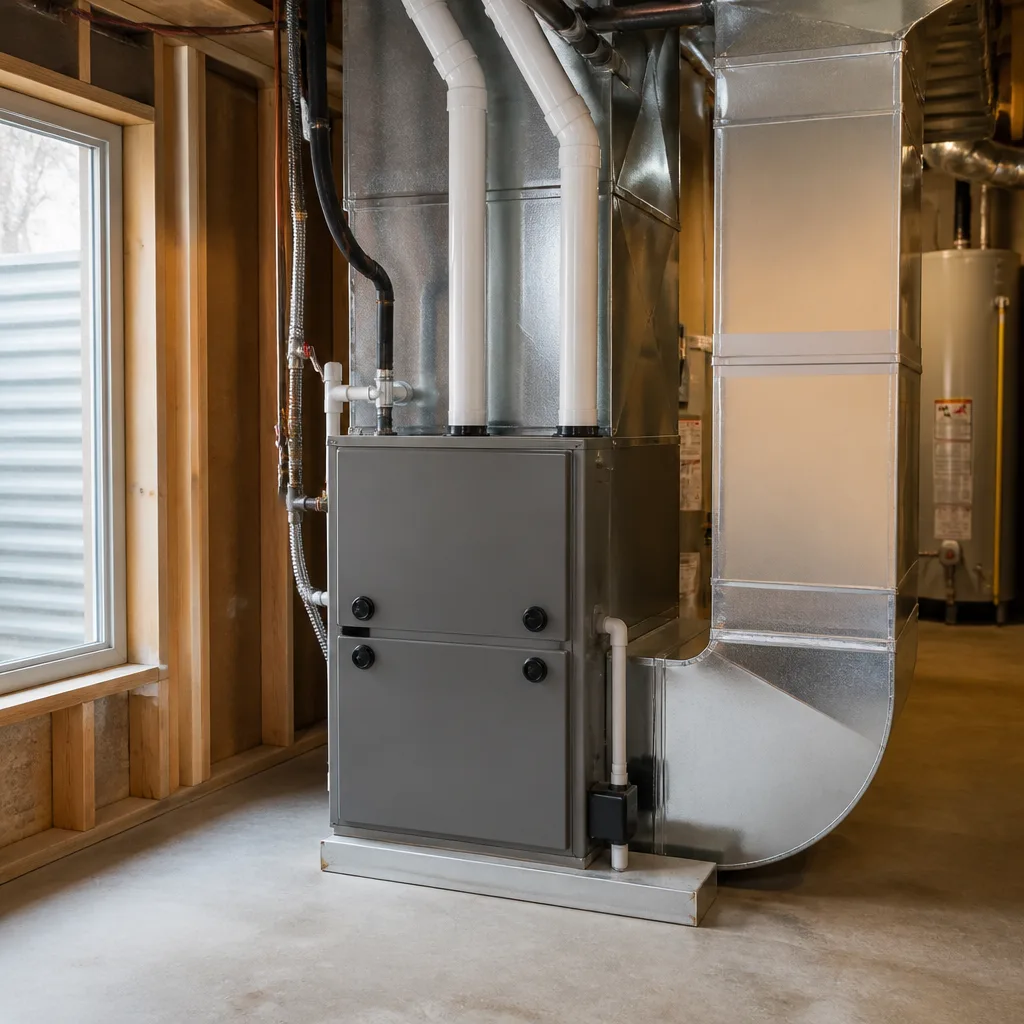 Furnace & heating
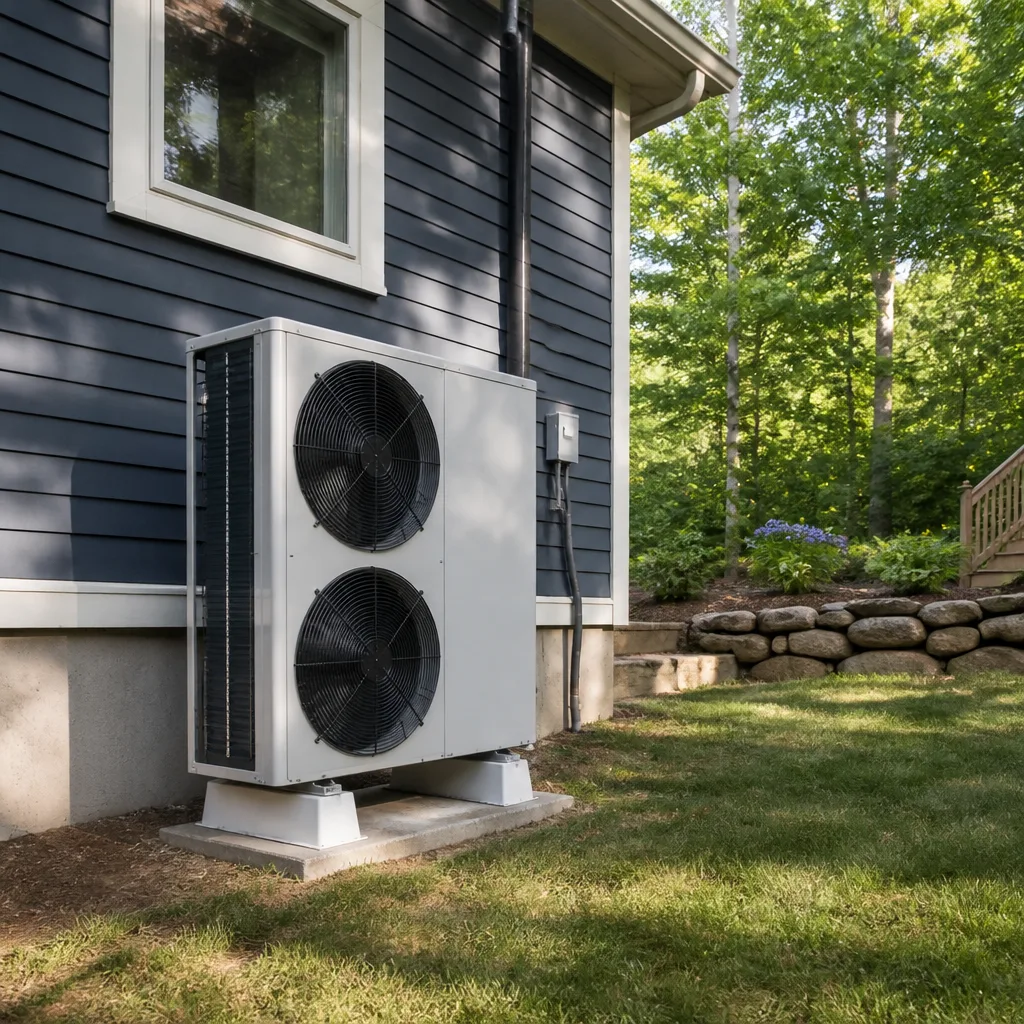 Heat pumps
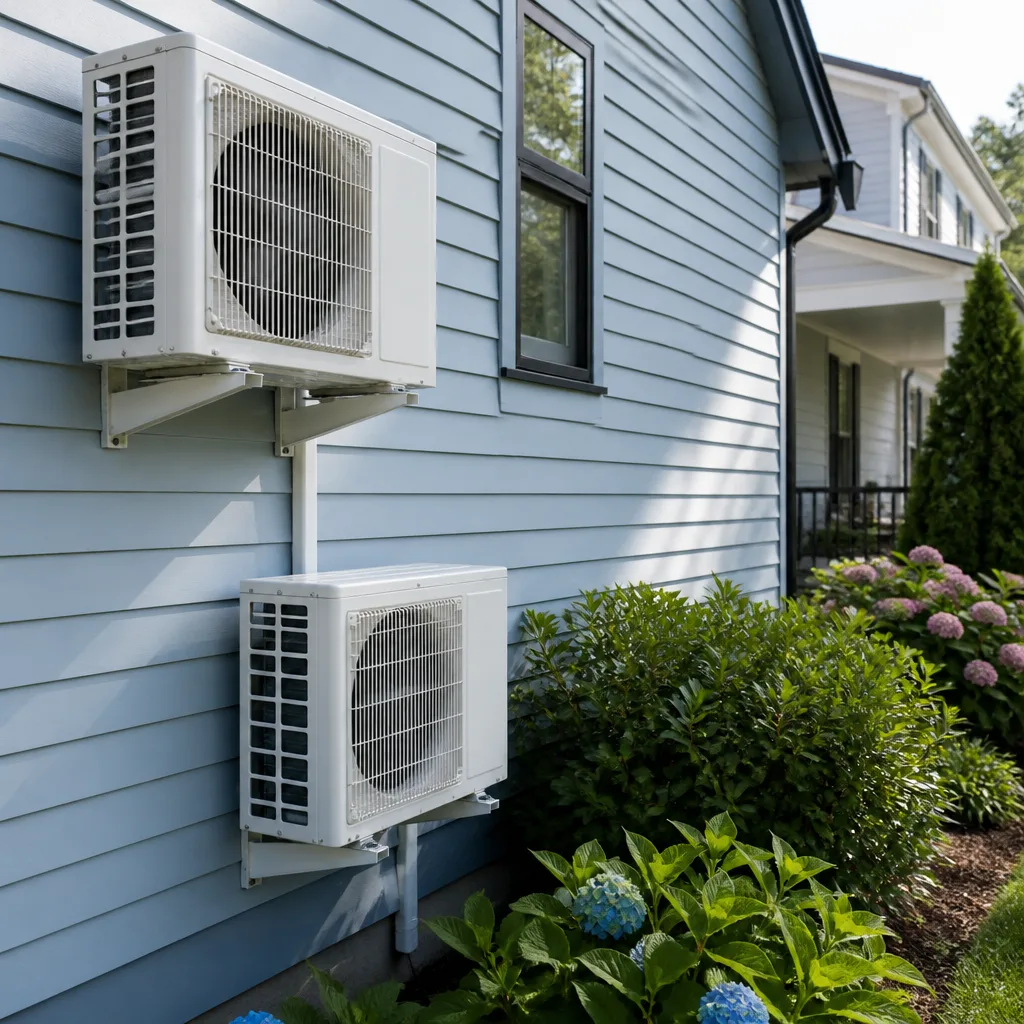 Ductless mini splits
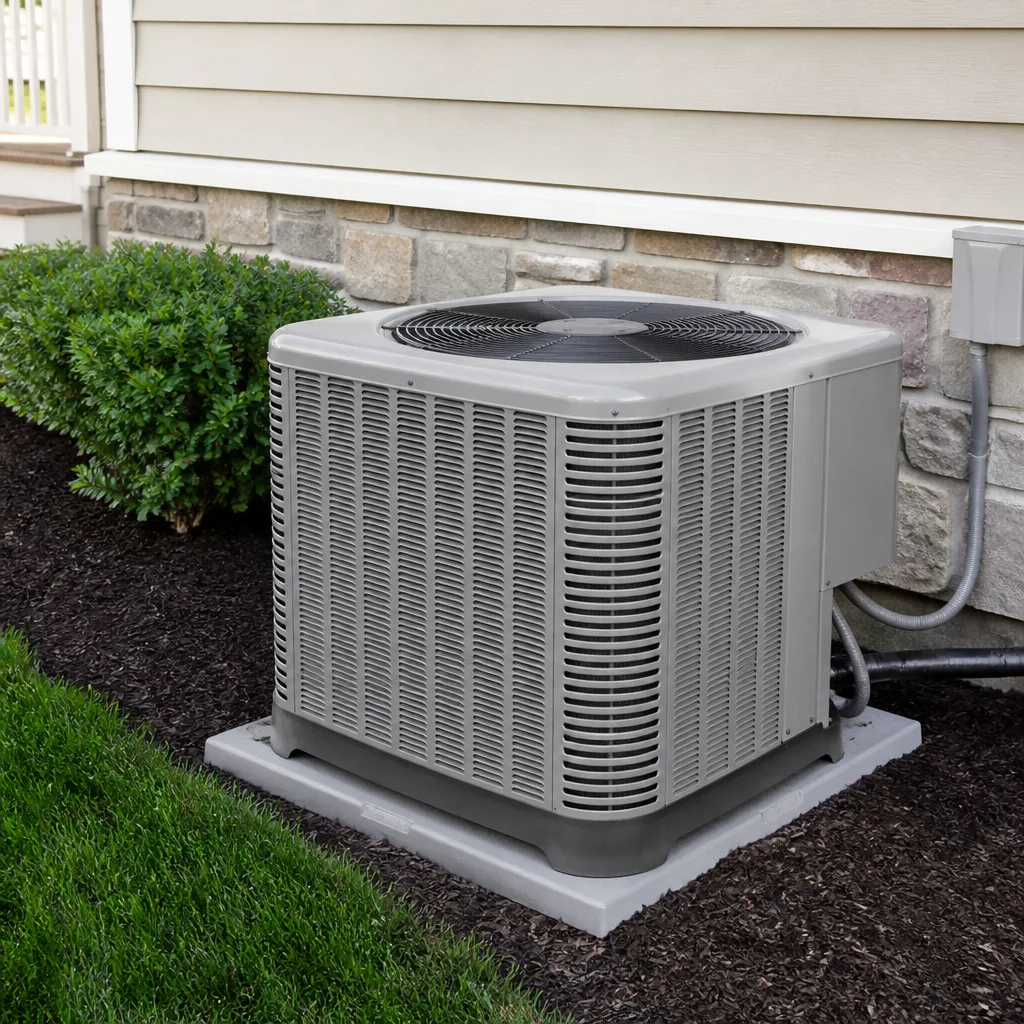 Carrier
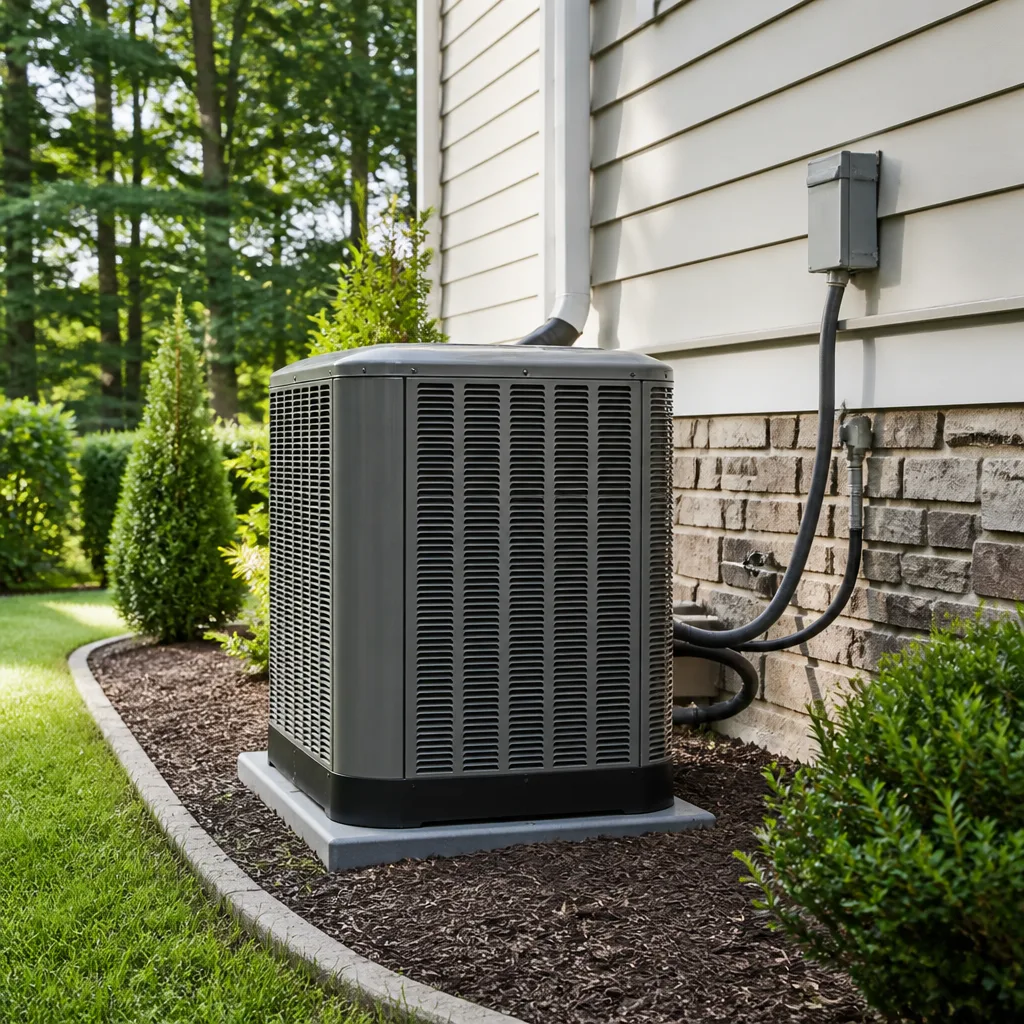 Trane
Trane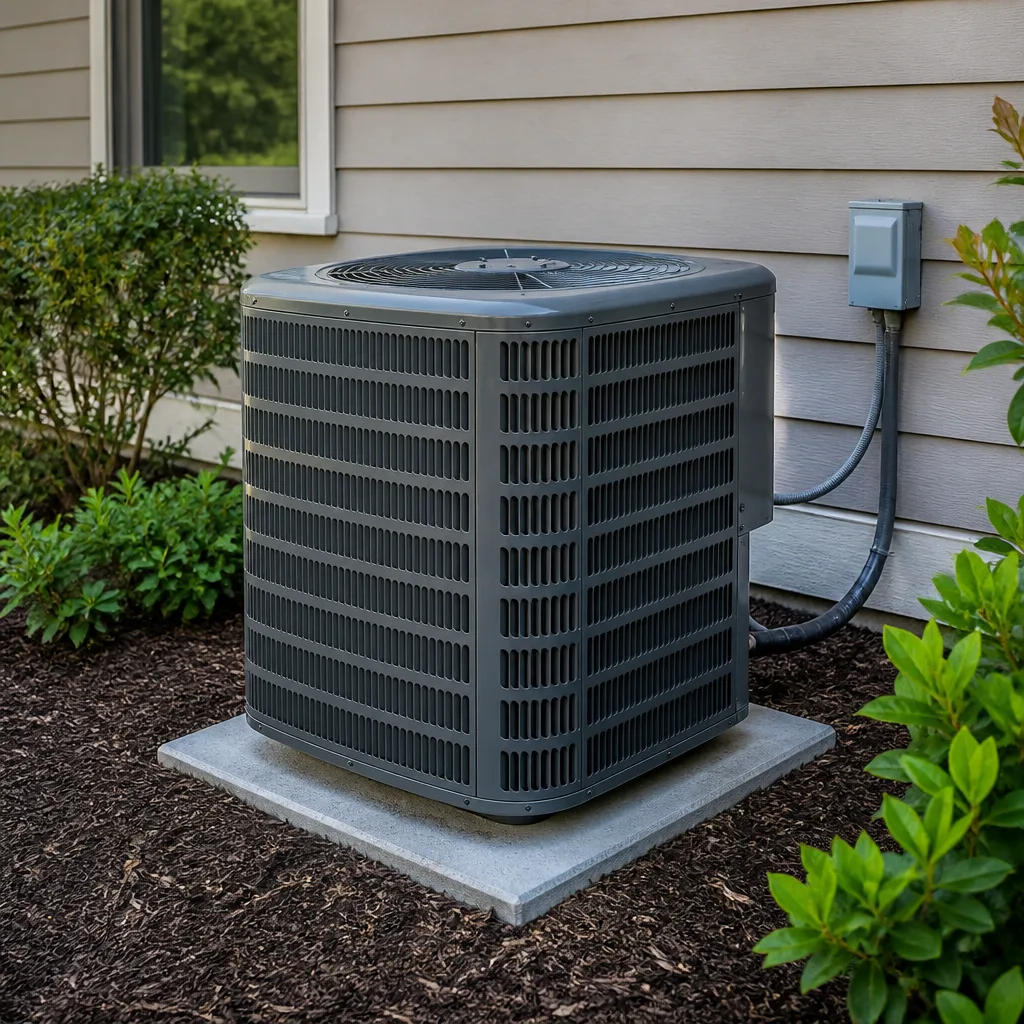 Goodman
Seasonal tune-up and full diagnostic on your Carrier, Trane, or Goodman system - readings shown to you before any repair is proposed
Diagnosis first, numbers second - you approve the repair price before a single part goes in.
Get your free estimateAC Repair Maintenance Checklist for Orange County Homeowners
A clogged condensate drain line, a fix that costs nothing if caught early, is the single most common cause of water-damage ceiling claims tied to AC systems in Southern California. It takes about 90 seconds to check, and almost no maintenance checklist tells you how. This guide is different. It is built around what an Orange County homeowner can actually see, hear, smell, and check, organized by how urgent each item is. You will learn which checks cost you nothing but a few minutes, which ones genuinely need a trained technician, and what a failing system sounds like before it quits on a 95-degree day in August.
Styles & brands we work with
Quick Answer
An Orange County AC maintenance checklist should cover three tiers: monthly DIY checks you can do in under 15 minutes, an annual AC Repair tune-up, and a pre-season inspection before the first heat wave. The highest-value monthly task is clearing or checking the condensate drain line, which prevents most ceiling water damage. The highest-value annual task is a professional inspection of refrigerant charge, capacitor health, and electrical connections, which typically costs $89 to $180 in Orange County and catches most mid-season failures before they happen.
Table of Contents
- Tier One: Monthly DIY Checks (15 Minutes, $0)
- Tier Two: Annual Professional Tune-Up (60-90 Minutes, $89-$180)
- Tier Three: Pre-Season Cooling Inspection (March-May in Orange County)
- How to Inspect and Clear a Condensate Drain Line Yourself
- The Filter MERV Ratings That Actually Work in Orange County
- What Your Outdoor Condenser Should Look Like After a Santa Ana Wind
- Reading Your Electric Bill as a Maintenance Signal
- Common Mistakes to Avoid
- When to Call a Professional
- Frequently Asked Questions
- The Bottom Line
Tier One: Monthly DIY Checks (15 Minutes, $0)
These are the checks every Orange County homeowner can do without tools, training, or risk. They will not fix a broken compressor, but they will catch the early warning signs that turn a $150 repair into a $1,500 one. We have walked into hundreds of Orange County homes where the homeowner sensed something was off months before the system failed but did not know what to look for. Here is what to look for.
What to check every month, even in winter when the AC is off:
- Stand near a supply vent while the system runs. The airflow should feel steady and consistent, not weak or intermittent. If the airflow from one room is noticeably weaker than the rest, that room’s duct run may have a disconnected joint or a crushed section. Duct leakage in Orange County attics is common because of temperature swings between the hot attic and the cooled duct interior. Weak airflow is an early signal that the system is working harder and cooling less.
- Listen for sounds that do not belong. A healthy AC makes a steady low hum and the soft whoosh of air. A grinding sound suggests a failing blower motor bearing. A hissing sound near the air handler can mean refrigerant escaping from a pinhole in the coil. A rapid clicking or buzzing at the outdoor unit usually means the contactor is failing or the capacitor is weak. In Orange County’s coastal humidity zones, we frequently hear a subtle gurgling from the condensate drain pan that is actually normal, but a persistent dripping sound inside the house is not.
- Look at the thermostat behavior. If the system runs for hours, reaches the set temperature, then kicks off and on every few minutes, that short cycling is a major efficiency killer. It is often caused by a dirty filter, an oversized system, or low refrigerant. Short cycling in Orange County’s shoulder seasons is common because mild outdoor temperatures reduce the heat load, but chronic short cycling in July and August is a mechanical issue, not a weather issue.
- Inspect the condensate drain line and the drain pan. This is the highest-value monthly check you can do. Details are in the section below.
- Peek at the indoor air handler cabinet. Look for moisture stains, rust spots, or a musty smell. Water inside the cabinet means the evaporator coil is not draining properly. A musty smell means biological growth is present on the coil or in the drain pan. Both are fixable early and expensive to ignore.
Time cost: 15 minutes. Money cost: $0. What it protects: your ceiling drywall, your indoor air, and your compressor, which is the most expensive single component in the system.
Tier Two: Annual Professional Tune-Up (60-90 Minutes, $89-$180)
In Orange County, a professional AC tune-up typically costs between $89 and $180 depending on the season, the system age, and whether it is part of a maintenance agreement. This is not a luxury service. It is the single highest-leverage maintenance action for a system that runs hundreds of hours per cooling season. The California Energy Commission estimates that a properly maintained system uses 15 to 20 percent less energy than a neglected one, which on Orange County electricity rates can be a few hundred dollars a year.
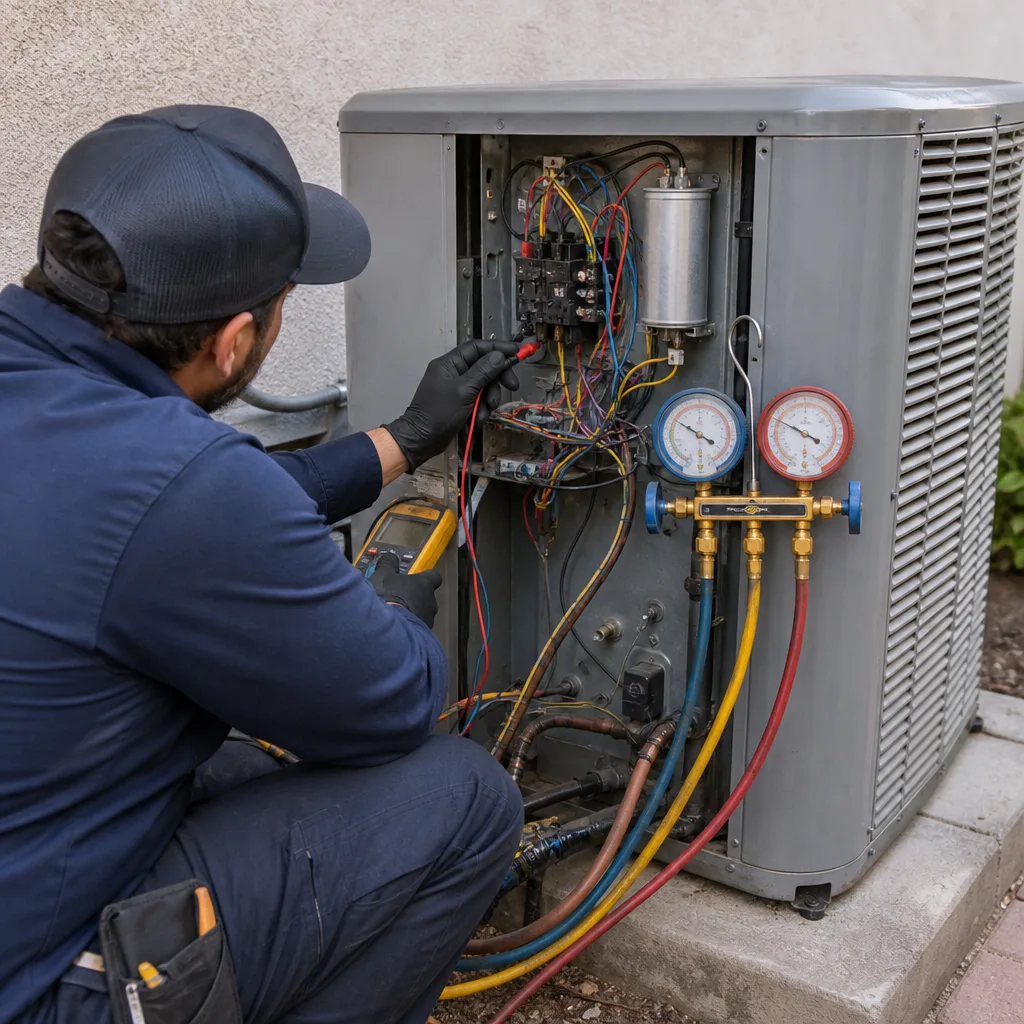
A real tune-up is not a filter change and a glance at the unit. Here is what a thorough annual inspection should include, and what we do on every visit as a AC repair in Orange County service provider:
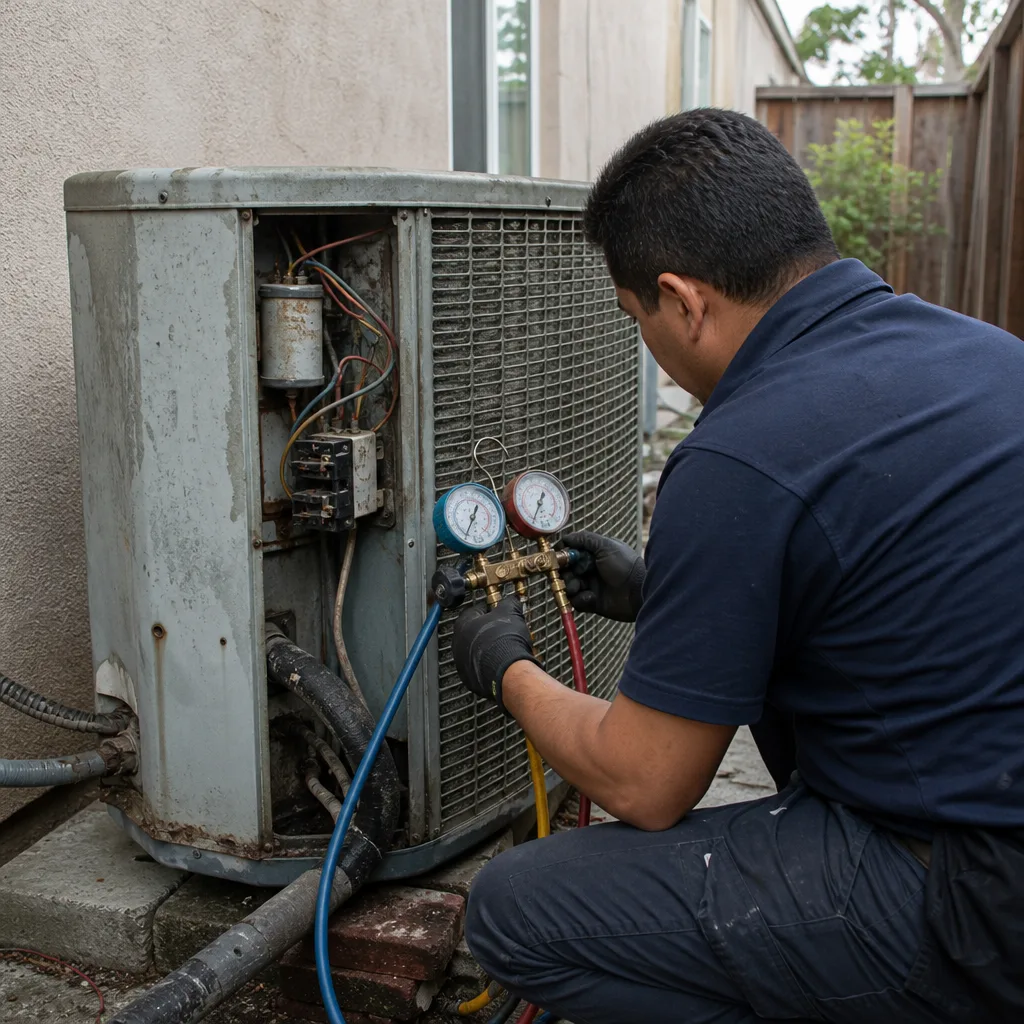
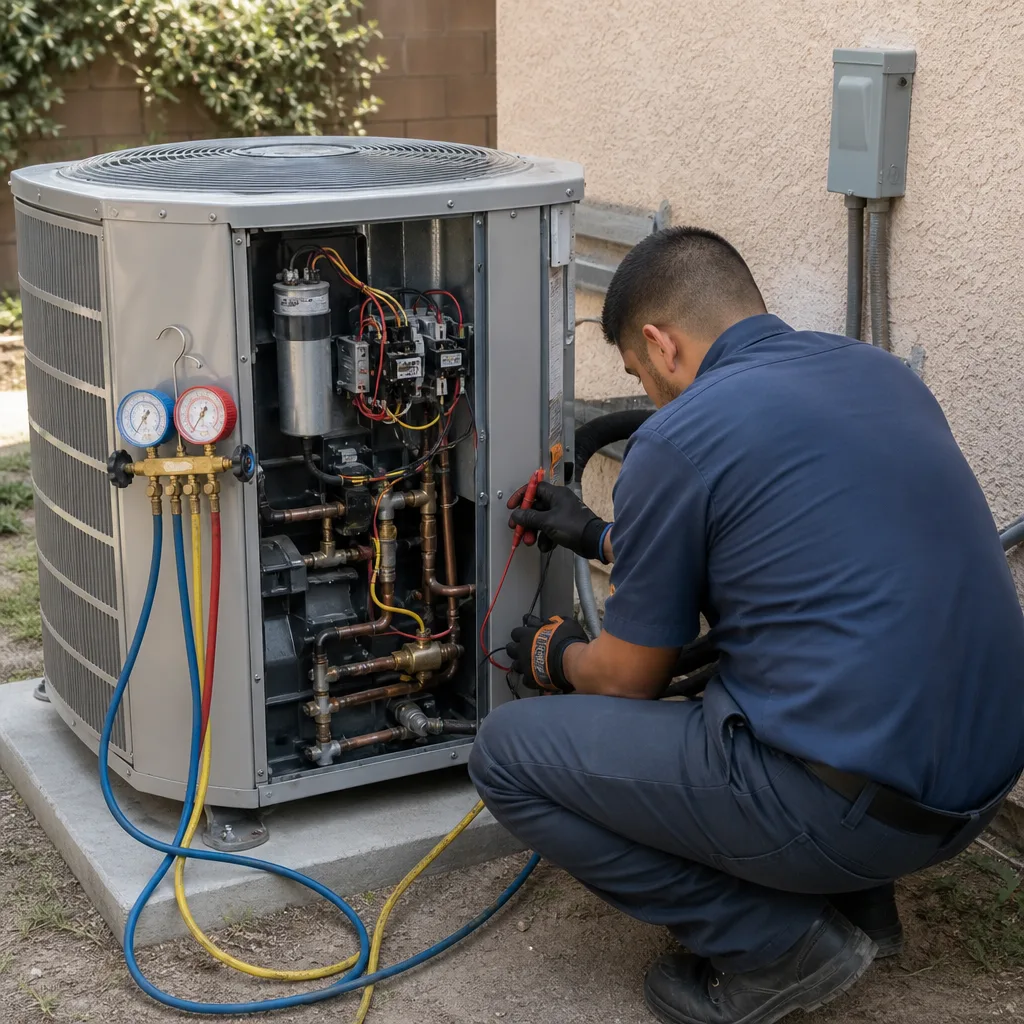
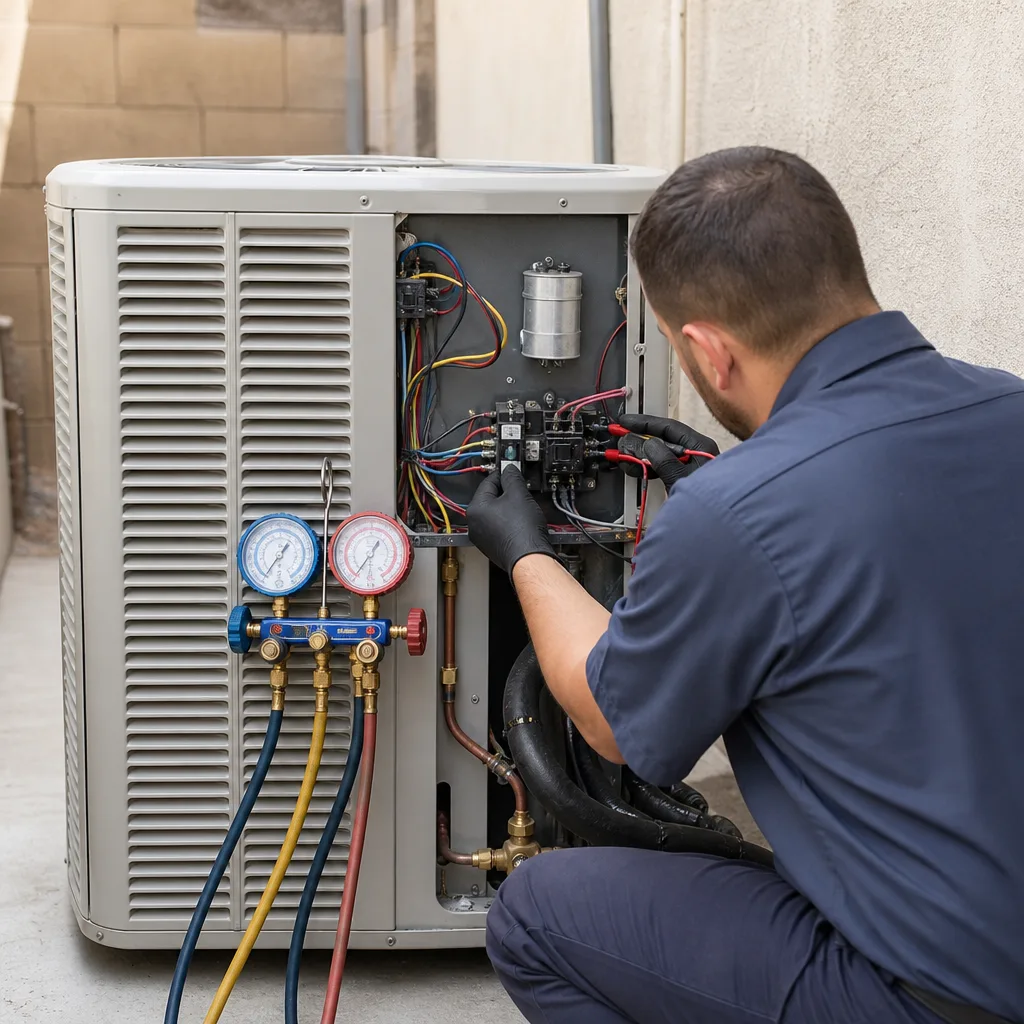
- Measure the refrigerant charge. A system that is 10 percent low on refrigerant loses roughly 20 percent of its cooling capacity. In Orange County’s coastal microclimates, where the system may run almost year-round, a slow refrigerant leak goes unnoticed until the compressor works itself to death. Checking the charge takes a gauge set and about 15 minutes. On Rheem and Daikin systems especially, we find that a subcooling or superheat check catches early leaks before they become emergency repairs.
- Test the capacitor. The run capacitor is a small cylinder that gives the compressor and fan motor the electrical kick they need to start. Capacitors degrade slowly, and a weak capacitor makes the motor draw more amperage and run hotter. A $35 capacitor replacement prevents a $900 compressor failure. We test capacitors on every tune-up because it takes 60 seconds and is the most common part we replace on York and Bryant units in Orange County.
- Check electrical connections and contactor points. Loose connections arc and overheat. Overheated terminals melt and the system dies. The contactor, which is the switch that turns the outdoor unit on and off, gets pitted from years of arcing. Both are cheap to tighten or replace and catastrophic to ignore.
- Clean the evaporator coil and blower wheel. Indoor coils accumulate a thin film of dust and pet dander even with a good filter. Over a year, that film reduces airflow and heat transfer. A dirty blower wheel can lose a third of its airflow. Both take time to access and clean, which is why this is professional work.
- Flush the condensate drain line and treat the pan. A full flush with a wet-dry vacuum or pressurized water clears the slime that builds up inside the pipe. We also inspect the drain pan for cracks and treat it to slow biological growth. This is the professional version of the monthly DIY check.
- Verify the thermostat calibration. A thermostat that reads two degrees high means the system runs when it should not. A two-degree error over a full Orange County summer is real money.
Time cost: 60-90 minutes. Money cost: $89-$180. What it protects: the compressor, the indoor air quality, the duct integrity, and your July electric bill.
One note about pricing in Orange County specifically: some companies advertise a $49 tune-up and make it back by finding “problems” that need immediate repair. A real tune-up takes a technician at least an hour, and the technician’s time is worth more than $49. The written price before any work starts means you see exactly what the tune-up includes and what it costs before anyone touches the system.
Tier Three: Pre-Season Cooling Inspection (March-May in Orange County)
Orange County’s first real heat often arrives in late spring, sometimes in March during a Santa Ana warm spell. The worst time to discover your AC has a problem is the day it hits 90 degrees and every company’s phone is ringing off the hook. A pre-season inspection in March, April, or early May catches problems when parts are in stock, technicians are available, and the fix costs less because it is not an emergency call.
Here is what a pre-season cooling inspection adds to the annual tune-up:
- Test the system at full load. A system that runs fine for 20 minutes in mild spring weather may overheat or lock out after two hours of full-sun operation. A pre-season test runs the system long enough to reach thermal equilibrium and catch problems that only appear under sustained load. This is critical for Orange County homes in inland areas like Santa Ana, Orange, and Anaheim Hills, where August afternoons push systems harder than coastal areas.
- Inspect the outdoor condenser coil for winter damage. Orange County winters are mild, but rain, wind, and coastal salt air take a toll. A coil that looks dirty or corroded after winter needs cleaning before summer. We see more coil damage on AC installation Orange County systems installed near the coast than anywhere else because salt and moisture accelerate corrosion on aluminum fins.
- Verify the drain line with a test flush. A pre-season flush proves the line flows freely before the system starts producing condensate for months on end. This is the single best insurance against the ceiling damage mentioned at the top of this guide.
- Consider a duct inspection if the home is older. Orange County has a large stock of homes built in the 1960s through the 1980s. The original ductwork in these homes is often undersized, unsealed, or partially disconnected. A pre-season duct check identifies the leaks that waste 20 to 30 percent of the air the system produces. Duct sealing pays for itself quickly on Orange County electricity rates.
Time cost: 90 minutes. Money cost: included in a comprehensive tune-up, or an additional $50-$100 if the duct inspection is added. What it protects: your first heat wave, your summer budget, and your family’s comfort during the exact weeks everyone else is calling for emergency repairs.
How to Inspect and Clear a Condensate Drain Line Yourself
This is the 90-second check that almost no checklist tells you how to do. When your AC runs, moisture condenses on the indoor evaporator coil. That water drips into a pan and drains through a PVC pipe to the outside. When the pipe clogs with dust, algae, and biological slime, the water has nowhere to go. The pan overflows. The overflow soaks the ceiling, the wall, or the floor around the air handler. In Southern California, this is the most common cause of AC-related water damage claims, and it is entirely preventable.
Step-by-step inspection:
- Find the indoor air handler. In most Orange County homes, it is in a closet, the garage, or the attic. Look for a white PVC pipe (usually 3/4 inch) coming out of the unit or the drain pan.
- Look at the outside end of the pipe. The drain line terminates outside near the condenser unit. It is often a small white pipe pointing down toward the ground.
- Watch for water while the AC runs. After the system has been running for 20 minutes, you should see a slow, steady drip from the outside pipe. A slow drip is healthy. A steady stream is fine too. If there is NO water dripping while the AC is running on a warm, humid day, the line may be clogged.
- Check the drain pan under the indoor unit. If you see standing water in the pan, the drain is blocked, even if the pan is not yet overflowing. Do not wait. Clear it now.
- Check the emergency overflow pan if you have one. Many Orange County homes have a secondary pan under the air handler in the attic, with a separate drain line that exits near a window or over the garage door. If water is coming out of the secondary line, the primary line is fully clogged and the system is draining into the emergency pan. This is a call-now signal.
What a clear drain looks and sounds like: a steady drip from the outside pipe, no standing water in the primary pan, and a faint gurgle near the air handler when the system shuts off as the last of the condensate drains away.
What a blocked drain looks and sounds like: water pooling in the pan, a wet ceiling stain near the air handler, a sloshing sound when the blower runs, or no drip at the outside pipe while the system is producing condensate.
How to clear a minor clog yourself:
- Find the cleanout access point. Most drain lines have a T-shaped fitting with a removable cap near the air handler.
- Turn off the AC at the thermostat.
- Remove the cap and inspect for visible blockage. If you see a slimy plug, pull it out with a stiff wire or a small brush.
- Pour 1/4 cup of white vinegar into the line. Vinegar is pet-safe and kid-safe, unlike bleach, which can damage PVC and is toxic if it splashes. Let it sit for 30 minutes.
- Flush with warm water. A slow, steady stream is best.
- Check the outside drip. If water now flows freely, the clog is cleared.
- If water does not flow after one vinegar-and-flush treatment, the clog is deeper in the line and needs a wet-dry vacuum or professional flush. Do not pour drain cleaner into the line. Drain cleaner is corrosive to PVC and can create a worse problem.
For homes with kids and pets in Orange County, the monthly vinegar flush is the safest prevention method. It takes two minutes, uses a product already in most kitchens, and keeps the line clear between professional flushes.
The Filter MERV Ratings That Actually Work in Orange County
Orange County’s coastal environment has a specific air-quality signature: moderate dust from the dry hills and inland valleys, but high pollen from the coastal plant life, especially in spring. What this means for filter selection is straightforward: you need enough filtration to catch pollen, but not so much that it chokes airflow and makes the system work harder.
A filter’s effectiveness is measured by its MERV rating, from 1 to 16. Higher MERV means smaller particles are caught, but it also means more resistance to airflow. Here is the practical range for Orange County homes:
- MERV 1-4: These catch only the largest dust and hair. They protect the equipment but do almost nothing for indoor air quality. Not recommended for Orange County homes, especially those in high-pollen areas like Irvine, Newport Beach, and Laguna Niguel.
- MERV 5-8: The workhorse range. These catch pollen, dust mites, and pet dander while allowing normal airflow. For most Orange County homes with a standard 1-inch filter slot, MERV 8 is the sweet spot. It protects the coil, catches most pollen, and does not strain the blower motor.
- MERV 9-12: These catch smaller particles, including some smoke and fine dust from Santa Ana winds. If your household has allergy sufferers, pets, or lives near a fire-prone area or frequent construction, a MERV 11 filter with a 4-inch media cabinet is a good choice. But be careful: a 1-inch MERV 11 filter in a standard slot can restrict enough airflow to reduce efficiency by 5 to 10 percent.
- MERV 13-16: Hospital-grade filtration. These are appropriate for specific medical needs, not general home use. MERV 13 filters should generally be installed with a 4-inch or 5-inch media cabinet, not stuffed into a 1-inch slot, because the pressure drop is too high. If you are considering MERV 13, have the static pressure checked first.
Filter replacement cadence in Orange County:
- Standard 1-inch filters: every 30 to 60 days during the cooling season, which in Orange County can stretch from March to November.
- 4-inch media filters: every 6 to 12 months, depending on pets, indoor smoking, and proximity to open land.
- Homes within a mile of the coast: check filters every 30 days in summer, because coastal humidity causes filters to hold moisture and lose effectiveness faster.
- Homes in the inland valleys (Anaheim, Fullerton, Orange, Santa Ana): check monthly during Santa Ana season, because the dry wind carries micro-dust that clogs filters fast.
The key rule: a dirty filter is the most common cause of short cycling, frozen coils, and premature blower motor failure. In our experience across Orange County, a huge share of “no cooling” calls in July and August are just collapsed, clogged filters. The fix is $15 and takes two minutes, but a frozen coil from a neglected filter can take hours to thaw before the system works again.
What Your Outdoor Condenser Should Look Like After a Santa Ana Wind
Santa Ana winds deposit a specific kind of debris on outdoor condenser units: fine dust, small leaves, grass clippings, and sometimes heavier objects like palm fronds or paper trash. The unit is designed to shed some of this, but the fins on the coil are delicate and easily clogged. After a Santa Ana event, here is what to check on your outdoor unit:
Walk outside and look at all four sides of the condenser. The coil wraps around the unit, and the fan pulls air through the fins from every direction. If one side is plastered with leaves and the others look clean, the coil is still partially clogged. The system has to work harder because it is losing airflow from that side.
What a healthy unit looks like after a wind event:
- Fins are visible and mostly clear. You can see light through the coil when looking from the side.
- No debris is piled against the bottom of the cabinet, where the coil meets the base pan.
- The fan on top spins freely and there is no wobble or scraping sound.
- The area around the unit is clear of weeds, leaves, and stored items, with at least 12 inches of clearance on every side.
What signal a service call versus a quick hose-down:
- Quick hose-down: light dust on the fins, a few leaves stuck to the outside, a thin layer of grass clippings. Turn off the breaker to the unit, spray the coil from the inside out with a garden hose on low pressure, and let it dry before turning the power back on.
- Service call: bent or flattened fins, a heavy layer of caked-on dust that does not rinse off with a gentle spray, debris packed deep inside the coil, visible oil spots on the cabinet or on the ground below the unit (which may indicate a refrigerant leak), or a fan that is noisy, slow, or not spinning. If the coil is visibly damaged or packed with fine dust from a long, dry Santa Ana season, a professional coil cleaning is the right call. On York and Rheem units especially, damaged fins can reduce heat exchange enough to overheat the compressor, and those compressors are expensive.
One more Orange County-specific note: if you live near the beach, the condenser coil needs a professional rinse every year regardless of how it looks. Salt air leaves a corrosive film on aluminum fins that is invisible but steadily eats the coil. A yearly rinse extends the life of a coastal condenser by years.
Reading Your Electric Bill as a Maintenance Signal
Your electricity bill is a diagnostic tool. Most Orange County homeowners know their summer bill goes up when the AC runs more. Few know how to separate normal seasonal increase from a maintenance problem. Here is the method.
Calculate your dollar-per-day cooling cost. Look at your June bill and your April bill. April is a month when most Orange County homes run the AC lightly or not at all. June is a month when the AC runs regularly. Subtract the April total from the June total. Divide by 30. This is your baseline cooling cost per day. On current Orange County electricity rates, a 2,000-square-foot home with a reasonably efficient system running the AC for four to six hours a day typically costs $4 to $8 per day in cooling during mild summer months.
Watch the same calculation for August. August is the hottest month in Orange County’s inland areas, and your cooling cost per day will be higher, typically $6 to $12 per day for the same home. So far, normal.
The signal that something is wrong: if your August dollar-per-day cooling cost is 50 percent or more above your June figure, and the outdoor temperatures were not dramatically higher, the system is working harder than it should. Common causes include a dirty condenser coil, a refrigerant leak that has quietly reduced cooling capacity, leaky ducts, or a blower motor that is consuming more electricity than it should. A system that was tuned up in the spring and has clean coils and a proper charge will show a predictable, gradual increase from June to August, not a jump.
The signal for capacitor or contactor issues: Compare usage days. If your kilowatt-hours per day are the same as last August but your cooling is less comfortable, the refrigerant charge has probably drifted. If your kilowatt-hours per day are higher than last August and the system is running the same number of hours, a mechanical issue is consuming the extra electricity. Either way, the bill is telling you to look closer.
In our experience, Orange County homeowners who track this number catch low-refrigerant and dirty-coil problems a full season earlier than those who do not, and the repair cost is a fraction of what it would be if the compressor failed first.
If you need a reference point for what a healthy system should cost to run, a furnace repair in Orange County technician or AC specialist can often review your bill with you and identify what is driving high usage. This kind of review is part of a thorough tune-up, not an upsell.
Common Mistakes to Avoid
- Closing too many supply vents in unused rooms. In Orange County’s mild winters, many homeowners close vents to redirect heat. When summer comes, that closed vent increases static pressure in the duct system and makes the blower work harder. It can also lead to coil freeze-up on the most humid coastal days. Open the vents before cooling season.
- Using a MERV 13 filter in a 1-inch slot because it “cleans the air better.” It mostly just chokes the system. The pressure drop across a 1-inch MERV 13 filter is high enough to reduce airflow by 15 to 25 percent on many residential systems. The system runs longer, cools less, and the blower motor runs hot. This is a common Orange County mistake, especially in homes near the foothills where dust and pollen triggers allergy concerns.
- Planting shrubs or storing boxes within two feet of the condenser. The condenser needs 12 to 24 inches of clearance on every side and at least five feet above. A shrub planted too close blocks airflow and traps heat, and the plant’s leaves and debris get sucked into the coil. In Orange County’s full-sun exposures, a cramped condenser is running 10 to 15 degrees hotter than it should.
- Setting the thermostat to 68 degrees to “cool it down faster.” The system removes heat at a fixed rate. Setting it lower does not make it work faster, it just makes it run longer. The result is higher energy use and more wear, not faster comfort. In Orange County’s coastal microclimates, where temperatures swing between day and night, a set point of 74 to 76 degrees with a ceiling fan is usually the most efficient comfort strategy.
- Ignoring the outdoor unit because “it’s outside, it takes care of itself.” The condenser coil gets dirty, the fins get bent, and the cabinet vibrates loose. An outdoor unit that never gets a hose-down or a visual check is running less efficiently every week. A two-minute visual check every month catches half of all condenser problems before they become service calls.
- Waiting until the first heat wave to schedule a tune-up. In Orange County, the first 90-degree day in late spring fills every HVAC company’s calendar. Emergency calls take priority, tune-ups get pushed back, and a simple maintenance visit becomes a two-week wait. Schedule pre-season maintenance in March or April, when the schedule is open and the weather is mild.
- Assuming a frozen coil is just a sign the AC is “working too well.” A frozen indoor coil means low airflow, low refrigerant, or both. It is not a sign of good cooling. Running the system with a frozen coil can damage the compressor, which is the most expensive single part to replace. If the indoor coil has ice on it, turn the system off and call a technician.
When to Call a Professional
Some checks are safe to do yourself. Some are not. If you see ice on the indoor coil or the copper line set, turn the system off at the thermostat and call a technician. Running the system with low refrigerant or low airflow can destroy the compressor. If you hear a grinding, rattling, or squealing sound from the blower or the outdoor unit, those are mechanical failures that will not fix themselves. If you see water dripping from the indoor unit or a wet spot on the ceiling below the air handler, the drain has overflowed and the water is already damaging something. If the breaker trips when the AC turns on, do not reset it repeatedly. An electrical fault is present, and resetting the breaker masks the problem while stress builds.
Meadowsweet Heating and Air Orange County offers free estimates in Orange County. Call (831) 618-1580 and a live person answers, day or night. We service all major brands, including Bryant and Daikin, and every visit starts with a written price before any work begins.
Frequently Asked Questions
In Orange County, you should have a professional tune-up once a year, ideally in March, April, or early May before the first real heat. Homes within a mile of the coast benefit from an additional coil rinse in the fall because salt air accelerates coil corrosion.
A professional AC tune-up in Orange County typically costs between $89 and $180, depending on the system age, type, and time of year. If a company quotes significantly less, ask what the tune-up actually includes, because a low quoted price often means the technician gets paid to find additional problems. Call (831) 618-1580 for a free estimate and a written quote.
Yes. White vinegar is safe for PVC drain lines and is a pet-safe, kid-safe alternative to bleach. Pour 1/4 cup into the cleanout access point, let it sit for 30 minutes, then flush with warm water. Do this monthly during the cooling season in Orange County to keep the line clear.
For most Orange County homes, a MERV 8 filter is the best balance of pollen capture and airflow. If you have pets, allergy sufferers, or live near open land where Santa Ana winds carry dust, a 4-inch MERV 11 media filter is the next step up without choking the system. Avoid MERV 13 in a standard 1-inch slot unless you have verified the static pressure rating on your system.
A system that runs but does not cool is usually low on refrigerant, has a dirty or frozen coil, or is losing conditioned air through leaky ducts. In Orange County’s older homes, duct leaks are a leading cause. A technician can check the refrigerant charge, coil condition, and duct pressure to pinpoint the issue. Call (831) 618-1580 for a free estimate.
In Orange County, if a system is over 12 years old and needs a compressor, a new Meadowsweet Heating and Air Orange County home system is usually the better financial choice. A compressor replacement on an older system can cost $1,800 to $3,500, and the rest of the system is still aging. A new system with a 10-year parts warranty and modern efficiency often pays for itself through lower electricity bills over five to seven years.
The Bottom Line
The maintenance that matters in Orange County is simple: check the condensate drain monthly, change the filter on schedule, inspect the outdoor condenser after every Santa Ana wind, and schedule a professional tune-up every spring before the heat arrives. Track your dollar-per-day cooling cost between June and August to catch efficiency losses early. Most mid-season failures are not random. They are the result of a small, ignored signal that appeared weeks or months earlier. The homeowners who check these five things spend less on repairs, replace their systems later, and stay comfortable all summer.
Written by Luis Serrano, Owner at Meadowsweet Heating and Air Orange County, serving Orange County since 2004.
See the difference
 Before
 After
After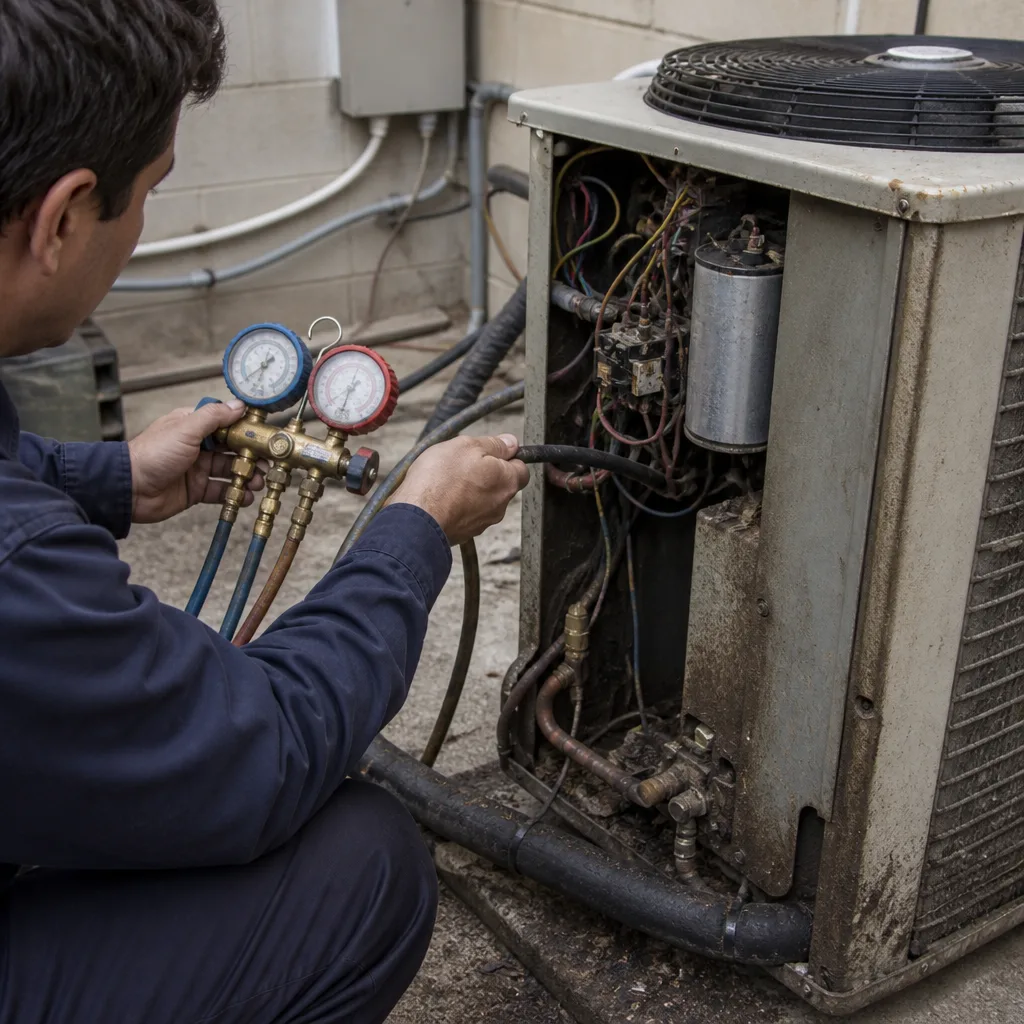 Before
 After
After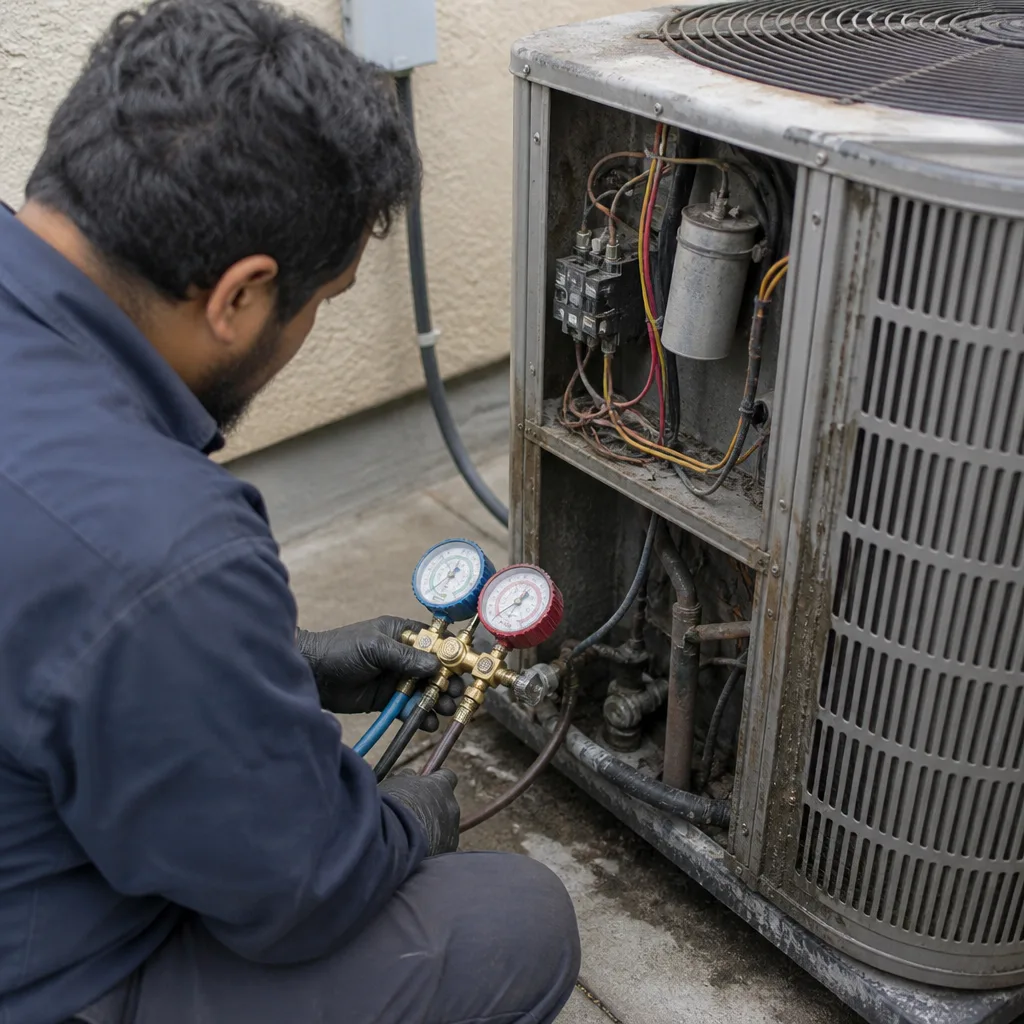 Before
 After
After