
Last updated October 16, 2026
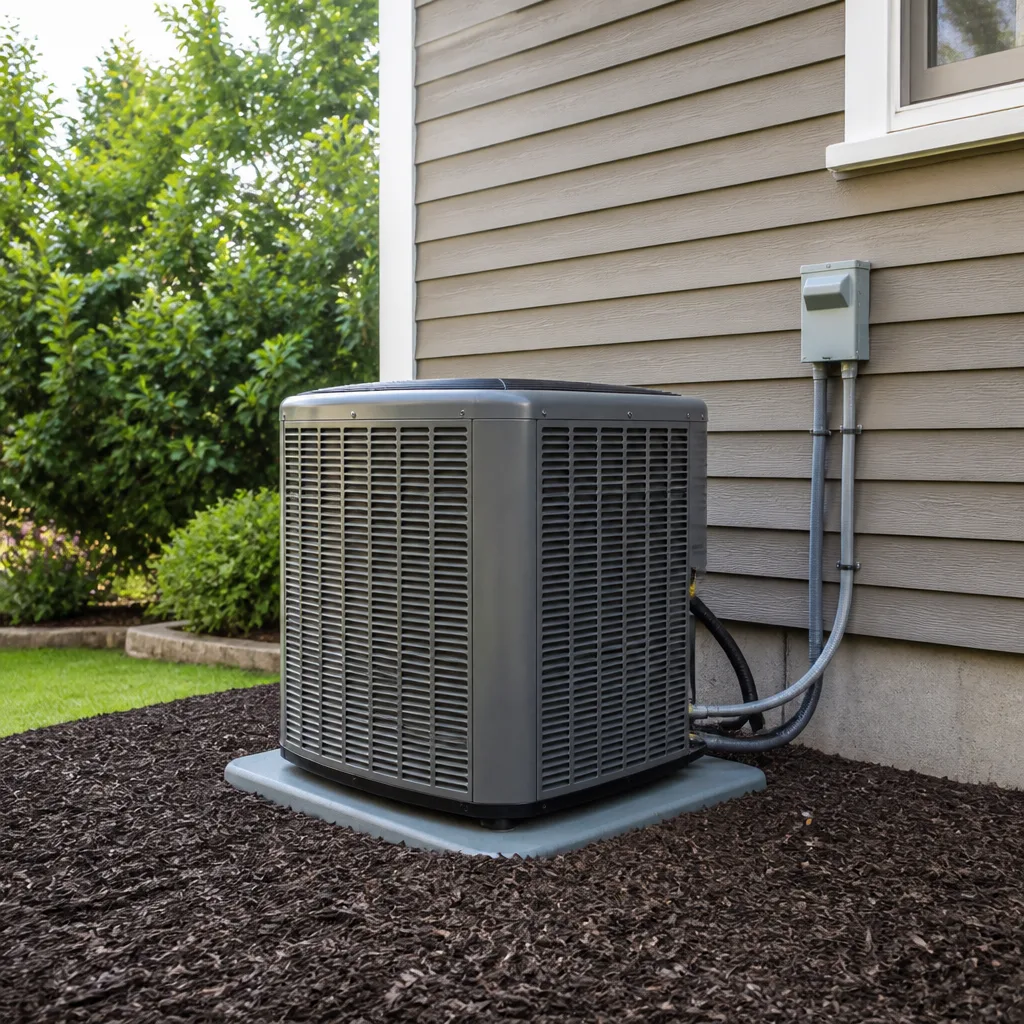 AC repair
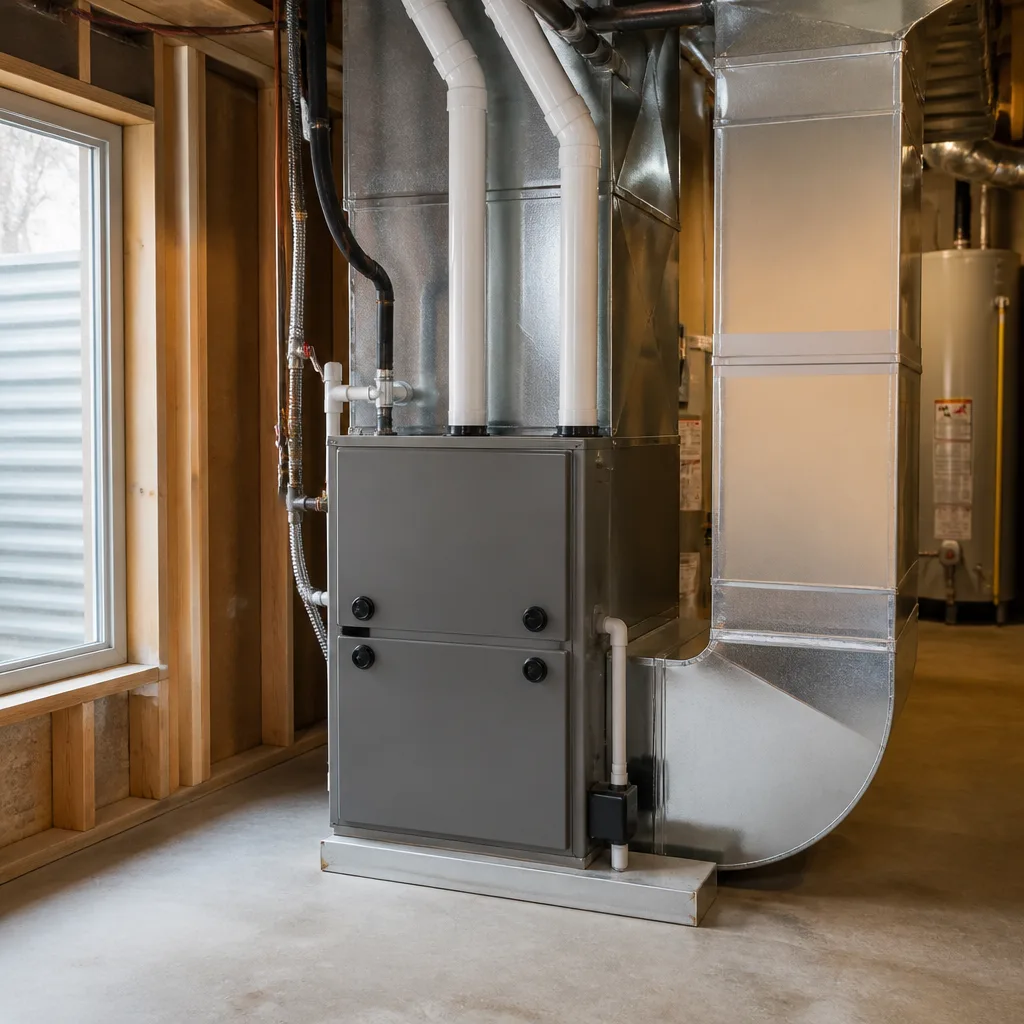 Furnace & heating
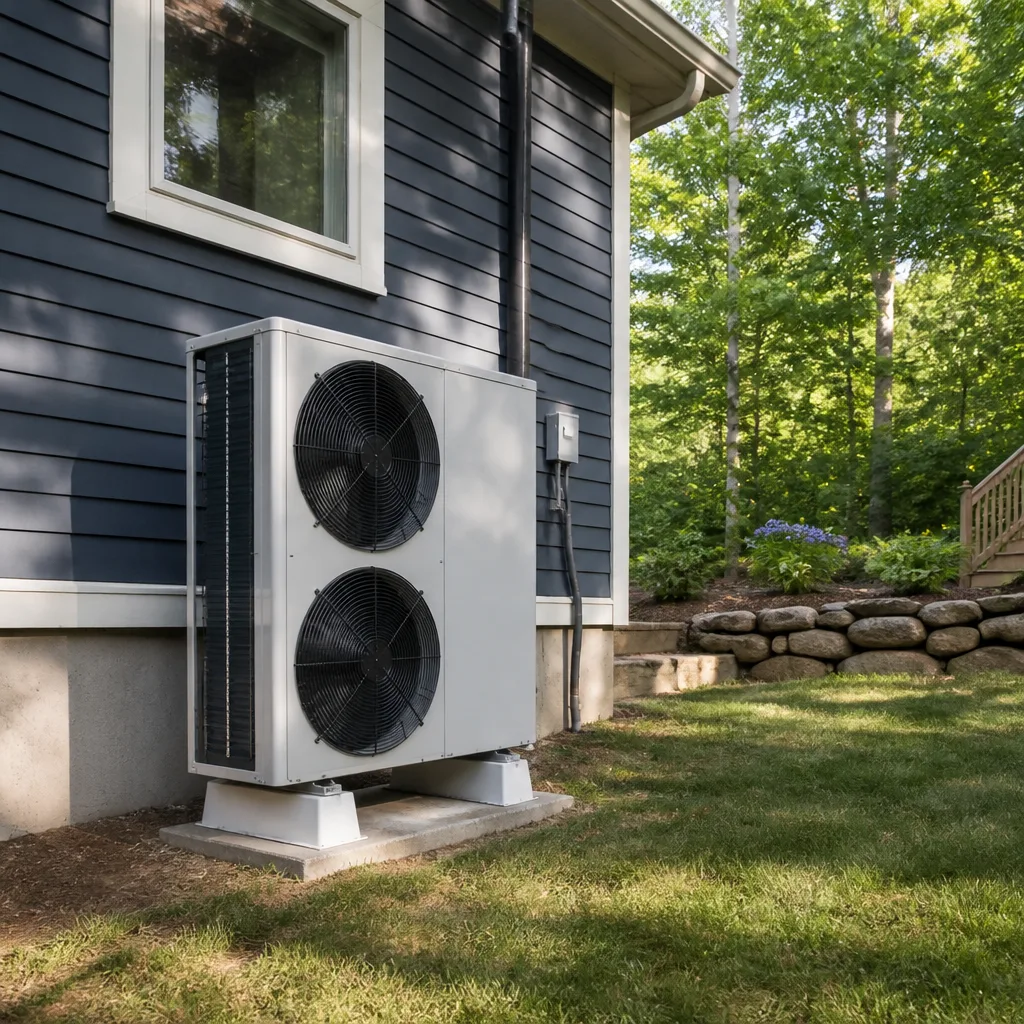 Heat pumps
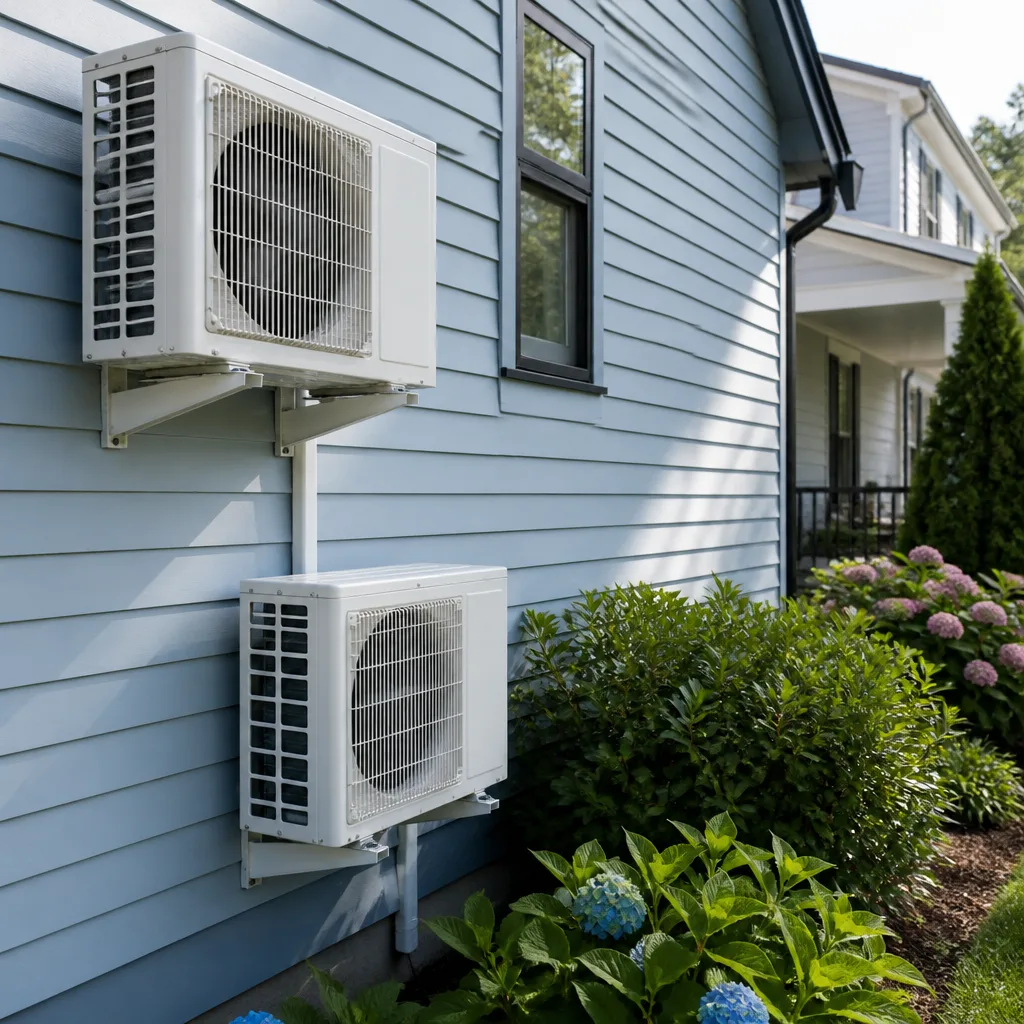 Ductless mini splits
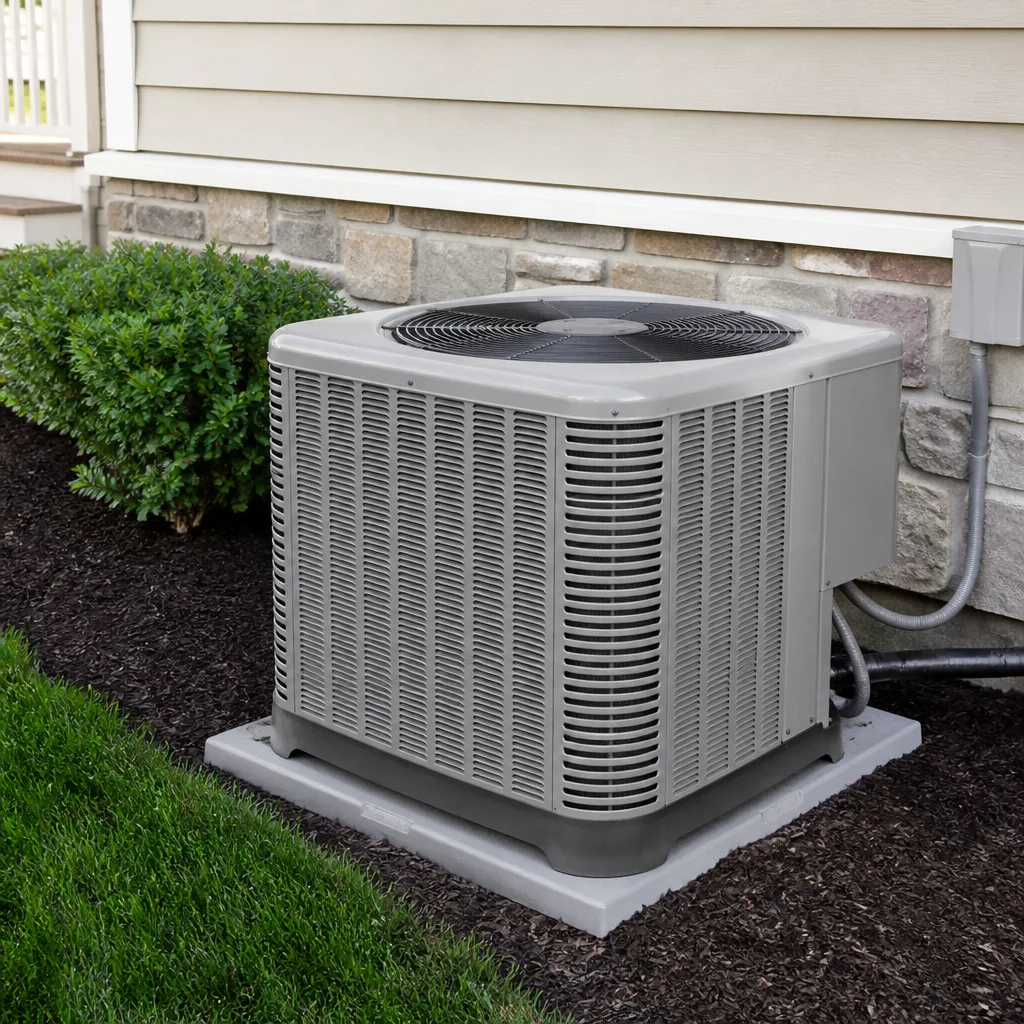 Carrier
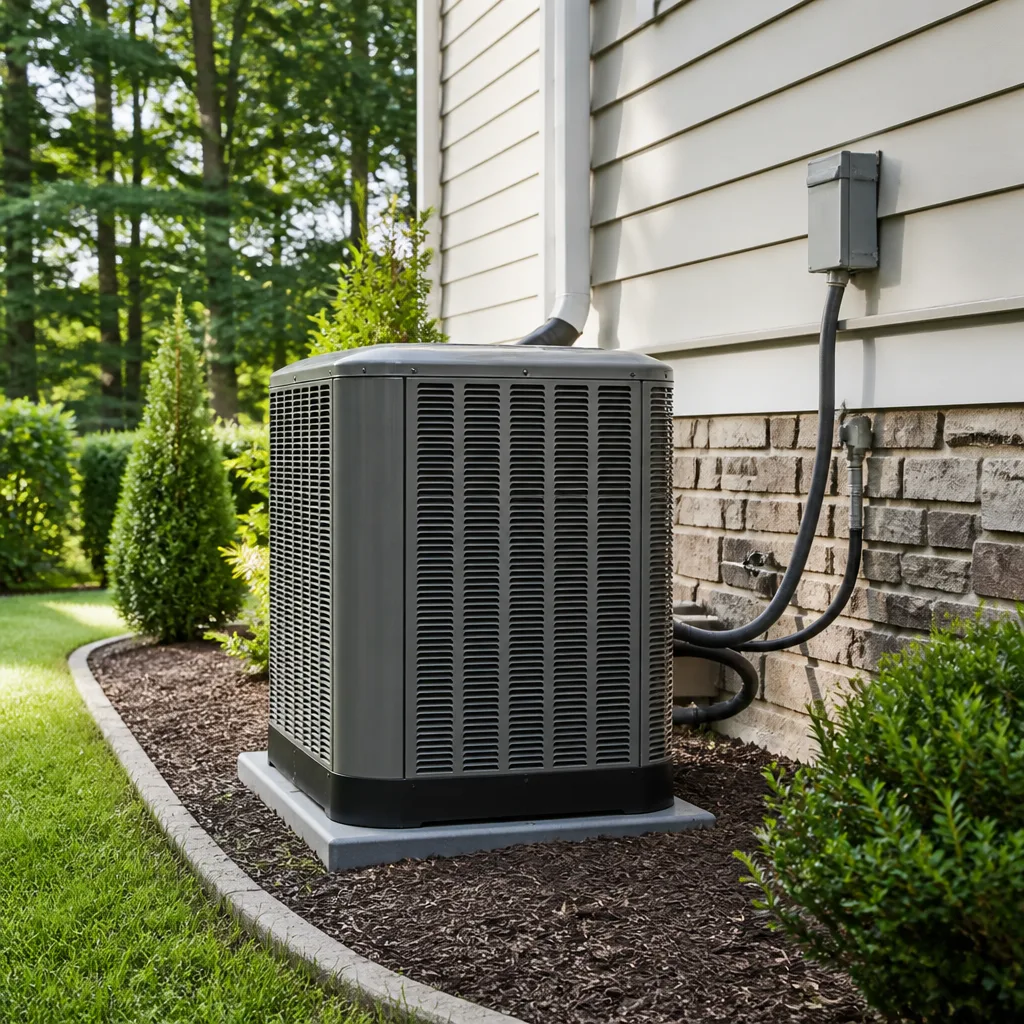 Trane
Trane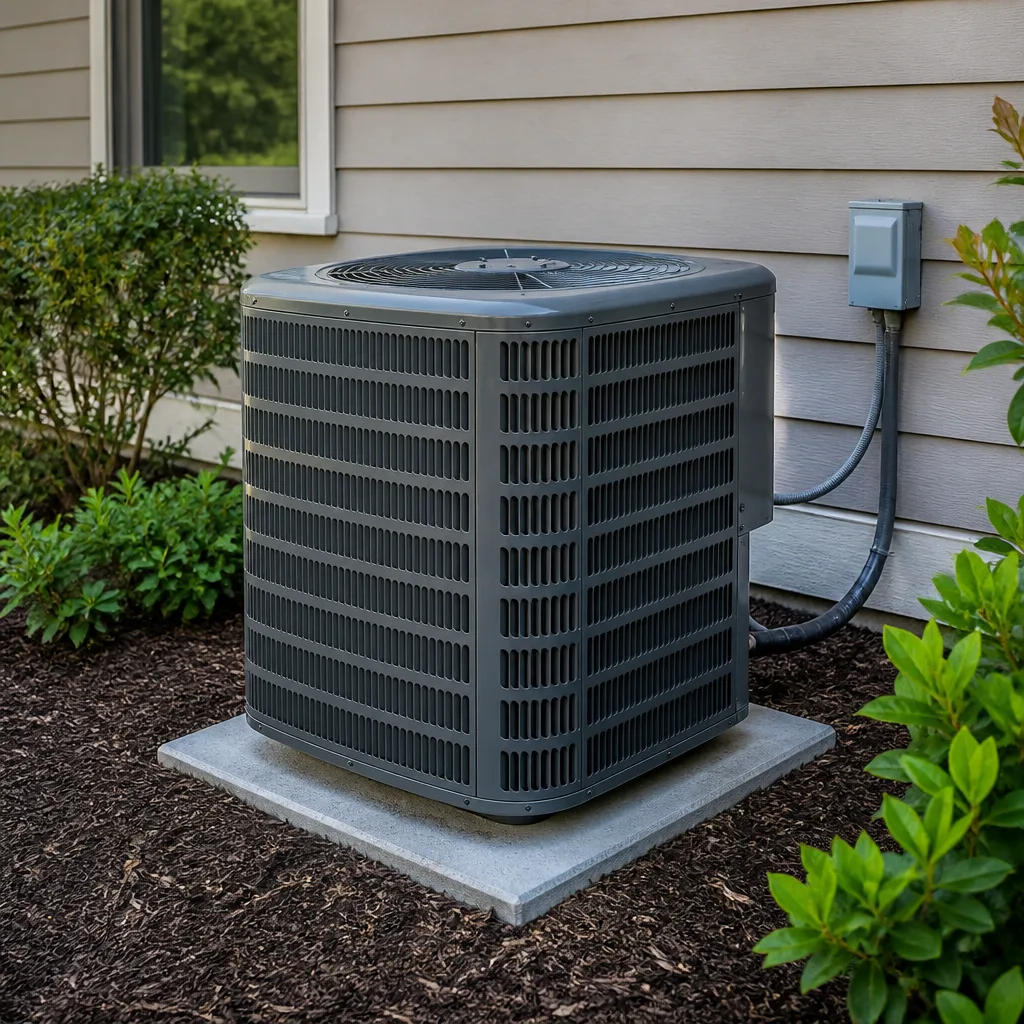 Goodman
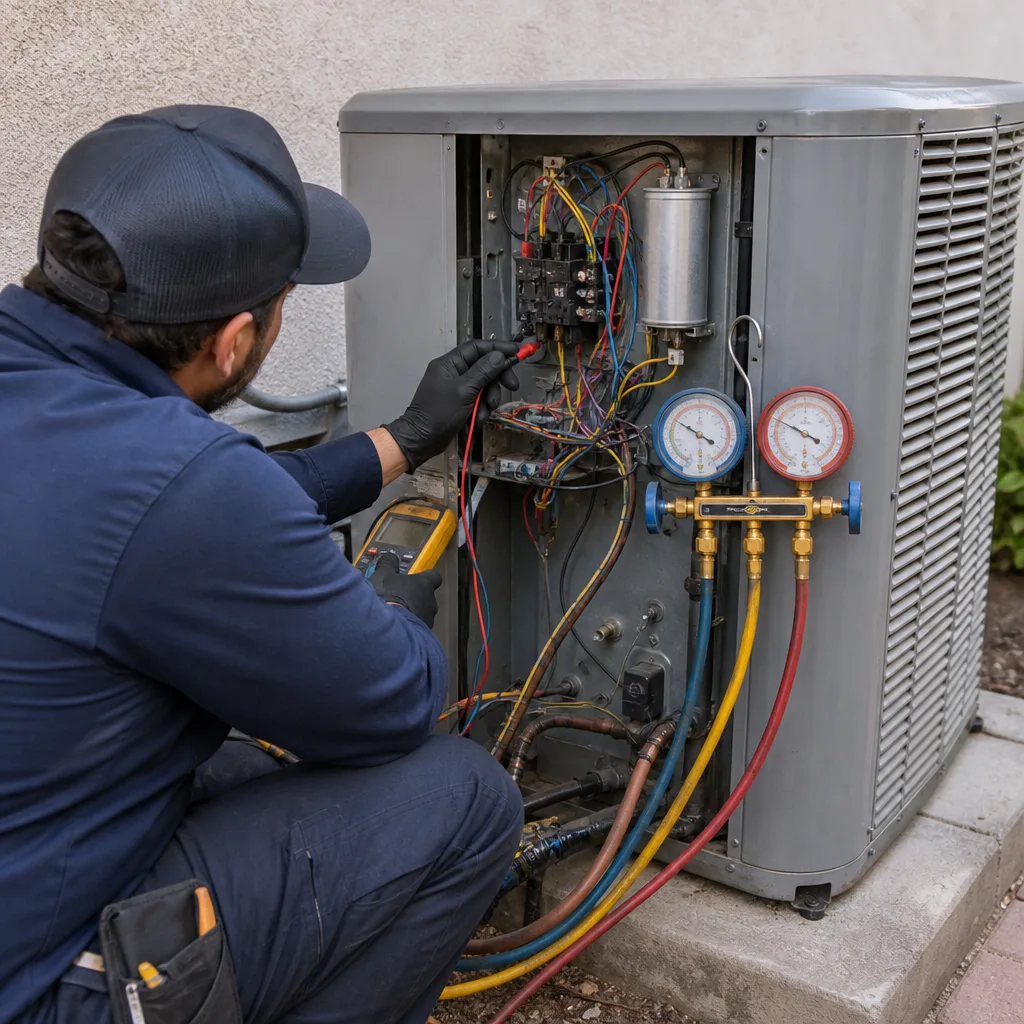
Seasonal tune-up and full diagnostic on your Carrier, Trane, or Goodman system - readings shown to you before any repair is proposed
Diagnosis first, numbers second - you approve the repair price before a single part goes in.
Get your free estimateHVAC Warning Signs: A Orange County Homeowner’s Reference Guide
Most homeowners discover a failing HVAC system the same way: a strange sound in the middle of the night, a utility bill that jumped 40 percent, or a living room that will not cool below 78 degrees on an August afternoon in Orange County. What most guides will not tell you-though our Complete Guide to HVAC in Orange County does-is how fast each problem gets more expensive, or which symptoms mean you can wait two weeks for a scheduled visit and which ones mean you should be shutting the system down tonight. A refrigerant leak does not just make the air warmer. Run the system low on refrigerant for a few weeks and you can turn a $350 repair into a $1,800 – $2,400 compressor replacement. This guide gives each warning sign a severity rating, a likely cause, a cost consequence, and a plain-language decision: stop running it now, schedule within a week, or watch and note.
Quick Answer
The HVAC warning signs that matter most in Orange County homes fall into three groups: sounds that indicate a specific failing part, airflow and temperature changes that often point to cheap fixes rather than refrigerant problems, and smells that tell you whether you are dealing with dust, mold, or an electrical hazard. The cost consequence of ignoring each sign is what separates a minor repair from a system replacement, and every symptom in this guide gets a tiered rating of Stop Running It Now, Schedule Within a Week, or Watch and Note so you can act with confidence instead of anxiety.
Styles & brands we work with
Key Takeaways
- Some HVAC warning signs are cosmetic and can wait two weeks. Others mean you should turn the system off tonight to protect the compressor or your family’s safety.
- Warm air from vents in Orange County summer heat is usually not a refrigerant leak. Three cheaper causes are far more common, and checking them takes ten minutes.
- Short-cycling is a diagnostic signal, not a diagnosis. It points to three different root causes with repair costs ranging from about $120 to $2,000 or more.
- Certain smells mean call a technician before turning the system back on. One of them involves electrical components and should be treated as urgent.
- A written price before any work starts is standard practice at Meadowsweet Heating and Air Orange County home. You should never approve a repair without knowing the number first.
Table of Contents
- Signs You Should Stop Running the System Now
- Signs to Schedule Within a Week
- Signs to Watch and Note
- What That Sound Is Telling You
- Warm Air From Vents: The Three Causes to Check First
- Short-Cycling: One Symptom, Three Root Causes
- The Smell Guide: What Each Odor Means
- Common Mistakes to Avoid
- When to Call a Professional
- Frequently Asked Questions
- The Bottom Line
Signs You Should Stop Running the System Now
Some warning signs are not really warnings. They are your HVAC system telling you the equivalent of “stop the car and pull over.” In our experience across Orange County homes from Fullerton to Mission Viejo, these are the symptoms where running the system for even another few days can convert a small fix into a major one. Turn the system off and call a technician.
1. Grinding, Screeching, or Metal-on-Metal Sounds During Operation
A grinding sound while the blower or condenser fan is running often means a bearing is failing in the motor. The part itself is relatively inexpensive, often $25 to $90. But when a bearing seizes completely, the motor can overheat and burn out, turning the repair into a $450 to $900 motor replacement. In some systems, particularly older ones, heat from a seized motor can damage adjacent wiring and control boards. That repair gets into four figures quickly. If you hear metal-on-metal, shut the system off and call for AC Repair in Orange County.
2. A Burning or Electrical Smell From the Vents or the Unit Itself
Dust burning off heat strips at the start of the heating season has a specific, mild smell that dissipates in a day or two. That is not this. A sharp, acrid, or persistent electrical odor can mean a capacitor leaking, a relay failing, or wiring insulation melting. This is a fire hazard, not a performance issue. Turn the system off at the thermostat and at the breaker if the smell is strong, and call a professional before running the equipment again.
3. Loud Hissing or Bubbling Sounds Near the Refrigerant Lines
Refrigerant is under pressure. A hissing sound near the line set, the condenser, or the evaporator coil usually means refrigerant is escaping through a small leak or a failing valve. This is not just a cooling problem. Modern systems, including those from York and Bryant, are engineered with a precise refrigerant charge. Run the system low and the compressor works harder with less lubrication, which is exactly how a $350 leak repair becomes a $1,800 – $2,400 compressor replacement. Bubbling sounds are the same issue with a slower leak. Stop the system and get it checked.
Signs to Schedule Within a Week
These symptoms indicate a real problem, but one that will not accelerate dramatically over a few days. You have time to call, get a quote, and schedule around your family’s routine. What you should not do is let them ride for another month or two, because each of these issues gets more expensive the longer it goes unaddressed, as outlined in our AC Repair Maintenance Checklist for Orange County Homeowners.
1. Ice Forming on the Evaporator Coil or the Refrigerant Line
Ice on any part of the system is never normal, but the cause is often simpler than a refrigerant leak. Restricted airflow from a clogged filter, a heavily dirty coil, or a failing blower motor can lower the coil temperature enough to freeze condensation. The fix might be as straightforward as a new filter and a coil cleaning, typically $150 to $350, or it might mean addressing the underlying airflow issue. If the system is low on refrigerant, that is a different repair, but ice alone does not tell you which one you are dealing with. Schedule a diagnostic this week, and note that running the system while iced can cause liquid refrigerant to reach the compressor, which is a fast way to damage it.
2. Weak Airflow From Multiple Vents
Weak airflow from one register usually means a disconnected or crushed duct in that branch line, a cheap and targeted fix. Weak airflow from every register is a blower or ducting issue, and in Orange County homes built before 1990, we frequently find duct runs that have separated at the joints over decades of attic heat cycling. Air leaks at those joints mean you are paying to cool the attic, not the living room. A duct inspection and reseal typically runs $200 to $600 depending on access.
3. A Utility Bill That Spikes Heating or Cooling Season Over Season
Compare this July to last July, not this July to May, because seasonal differences make any single month comparison misleading. If cooling costs climb 20 percent or more year over year with the same thermostat settings, something changed in how hard the system is working. The common causes are a refrigerant charge that has drifted low, a blower motor drawing extra current as it wears, or duct leaks that have worsened. All of them are cheaper to address now than in two months.
Signs to Watch and Note
Some symptoms look alarming but are, in fact, normal operation or normal aging. Watching and noting means exactly that: log what you observe, take a photo if it helps, and mention it at your next scheduled maintenance. For a full breakdown of what to watch for through the year, see our Seasonal HVAC Care for Orange County: Year-Round Homeowner’s Guide. It does not mean ignore it forever.
1. A Click at Start-Up, or a Single Thump When the System Kicks On
Relays and contactors make a click when they engage. A single thump from a duct that flexes under the initial air pressure is common in Orange County homes with sheet metal ductwork in the attic. Neither is a problem on its own. If the clicking becomes a chatter, or the thump becomes a banging that repeats every cycle, move it up to the Schedule Within a Week list.
2. Water Beads or a Small Damp Spot Around the Indoor Unit
On a humid Orange County day, especially in coastal areas like Costa Mesa or Huntington Beach, some condensation on the outside of the air handler is normal. What you are watching for is a persistent puddle, a slow drip that does not stop, or water stains on the platform or ceiling below. A clogged condensate drain is the usual cause, and the fix is often a simple line flush ranging from $90 to $175.
3. The System Runs Longer Each Cycle During Peak Heat
When outdoor temperatures push past 95 degrees, as they regularly do in inland Orange County communities like Yorba Linda and Rancho Santa Margarita, every AC system runs longer because there is more heat to remove. That is the equipment working as designed. What signals a developing problem is longer run times at the same outdoor temperature year over year, combined with the other symptoms in this guide.
What That Sound Is Telling You
Most HVAC warning signs are ambiguous until you know what you are listening for. This section breaks down the specific sounds we hear most often in Orange County homes, what each one typically indicates, and the price range you should expect to have it resolved.
A Rattling at Start-Up
A rattle that happens when the system first kicks on and then fades is often a loose access panel, a screw that has worked its way out of the condenser cabinet, or a piece of the outdoor unit’s coil guard vibrating against the metal housing. This is one of the cheapest fixes in HVAC, often resolved with a screwdriver in ten minutes. Some companies charge a minimum diagnostic fee for a callout like this, while others will secure the panel at no charge if a technician is already on site for a scheduled maintenance. If the rattle never fades and gets louder during operation, check for debris in the outdoor unit and make sure no branches or garden tools are resting against the cabinet.
A Continuous Grinding During Operation
Grinding is what a bearing sounds like when the lubrication has failed and the metal surfaces are wearing against each other. The two places this most commonly occurs are the blower motor in the indoor air handler and the condenser fan motor in the outdoor unit. A blower motor bearing failure in a system from American Standard or Daikin is typically a $90 to $300 motor replacement if caught early, versus a $450 to $900 replacement if the motor burns out and takes the control board with it. This sound lands on the Stop Running It Now list.
A Rattling During Operation That Does Not Stop
A persistent rattle that continues throughout the runtime usually indicates something inside the cabinet has come loose, like a refrigerant line that is vibrating against the frame, or internal debris that should not be there. Refrigerant line vibration against metal is a slow-wear problem: eventually the vibration wears a hole in the copper line, which creates a leak, which creates the hissing sound described below. Catching this at the rattle stage is a repair measured in tens of dollars, not hundreds.
A Hiss Near the Refrigerant Lines
Hissing is the sound of refrigerant escaping under pressure. This is always a sealed-system issue, which means it requires a licensed technician with the proper recovery and charging equipment. In California, refrigerant release is regulated, and the repair involves finding the leak, recovering the remaining charge, repairing the leak point, pressure testing, and recharging. Depending on the leak location, expect $350 to $1,000 for a coil or line set repair, and understand that a compressor replacement, if the system has been run low too long, pushes the bill toward $2,400 or beyond. This is the highest-priority sound on this list.
A Buzzing or Humming From the Outdoor Unit That Does Not Start
A loud buzz from the condenser that does not result in the fan starting is classic failed capacitor behavior. The capacitor gives the motor its starting jolt, and when it fails, the motor just sits there and hums. The good news is that a capacitor is one of the least expensive parts in the system, typically $120 to $250 replaced. The bad news is that repeatedly trying to start the system with a failed capacitor can overheat the compressor. If you hear the buzz, turn the cooling off and call for service.
Warm Air From Vents: The Three Causes to Check First
In Orange County summer heat, warm air from the vents triggers an immediate fear: the refrigerant is gone and the compressor is failing. Sometimes that is true. Far more often, the cause is one of three simpler and less expensive things. Checking these in order costs nothing and can save you a service call.
1. The Thermostat Fan Setting Is On, Not Auto
When the fan setting is on, the blower runs continuously, even when the AC is not actively cooling. That means between cooling cycles, the fan pushes room-temperature air through the vents, which feels warm compared to the conditioned air you expected. Switch the fan to Auto so it only runs during a cooling cycle. If that solves it, you just saved yourself a diagnostic fee. This is the number one cause of “warm air” service calls we see from Orange County homeowners.
2. The Outdoor Unit Is Dirty or Blocked
The condenser coil on the outdoor unit is designed to shed heat. When it is coated in dust, grass clippings, or the fine particulate that Orange County’s dry inland air carries, it cannot shed heat effectively, which means the system cannot cool as deeply. Run a gentle garden hose over the coil, with the system turned off, and clear any debris around the cabinet. Full coil cleaning by a technician runs about $90 to $180, and it is part of a proper maintenance visit.
3. The Filter Has Not Been Changed in Months
A clogged filter restricts the airflow across the indoor coil. With less air moving, the coil gets colder, the system removes less heat from the home, and in some cases the coil freezes. If you cannot remember the last time the filter was changed, it has been too long. Orange County homes with pets and with the dry, dusty air of inland communities like Orange and Anaheim Hills need filters checked every 30 to 60 days. A new filter is $5 to $25 depending on rating and size.
If all three of these check out, and the system is still blowing warm air, then a refrigerant or compressor issue becomes more likely. That is the point to call for a diagnostic, and ask for the price before any repair begins.
Short-Cycling: One Symptom, Three Root Causes
Short-cycling is the term for an HVAC system that starts, runs for a few minutes, shuts off, and then starts again shortly after. It looks like the system is working extra hard. In reality, each cycle wears components and wastes energy while failing to remove enough humidity or heat. Here is the important part for Orange County homeowners: short-cycling is not a diagnosis. It is a symptom that points to one of three root causes, and the repair costs are very different.
Root Cause 1: An Oversized System (Cost: Significant, But Sometimes Not an Immediate Repair)
A system that is too large for the home will cool the air so quickly that it satisfies the thermostat before completing a full cycle. Then the home warms up, the system kicks back on, and the cycle repeats. This is most common in older Orange County homes where a previous owner or contractor installed a larger unit than the load calculation called for, often thinking “bigger is better.” It is not. The fix is proper load calculation and, when the time comes for replacement, a correctly sized system installed by a company that does the math rather than swapping like for like by guesswork. This is not an emergency, but it is a reason to discuss sizing when you plan an AC Installation in Orange County.
Root Cause 2: A Failing Capacitor or Contactor (Cost: $120 – $250 for Capacitor, $150 – $300 for Contactor)
If the capacitor cannot deliver the starting jolt reliably, or the contactor is not holding the circuit closed, the compressor or fan will cut out mid-cycle before the thermostat is satisfied. The system tries again, and the symptom looks like short-cycling. This is one of the more affordable repairs in HVAC, and it is one where early detection matters. A failing contactor that arcs repeatedly can damage the circuit, and that particular repair bill grows fast.
Root Cause 3: An Overheating or Failing Compressor (Cost: Potentially $1,800 – $2,400 or More)
If the compressor is drawing excessive current and tripping its internal thermal overload, the system will shut down unexpectedly and restart after the compressor cools. This is the most expensive root cause and the strongest argument for taking short-cycling seriously. When we see this pattern in a Daikin or York system during an Orange County heat wave, the conversation is usually about whether to repair the compressor or replace the system. Compressor replacement on a mid-life system can make sense. Compressor replacement on a ten-year-old system often does not, and a replacement quote should be weighed against the cost of a new, more efficient unit with a full warranty.
The Smell Guide: What Each Odor Means
Air conditioners and furnaces should not smell like much of anything. When they do, the specific smell tells you what you are dealing with. Here is the field guide we use on service calls throughout Orange County.
Musty or Damp
A musty smell coming from the vents usually means microbial growth is present somewhere in the system, most commonly on the evaporator coil or in a drain pan that is slow to empty. The warm, dark, damp environment inside an air handler is exactly where mold and mildew thrive, and Orange County’s coastal communities have the outdoor humidity to keep that environment supplied. This smell warrants cleaning the coil and drain pan, which typically costs $150 to $350, and if the smell persists, an inspection of the ductwork for moisture intrusion. For families with allergies or pets in the home, this is not just an odor issue. It is an indoor air quality issue.
Burning or Oily Dust
At the start of the heating season, when a furnace runs for the first time in six months, the dust that settled on the heat exchanger and burners burns off. The smell is like hot dust, slightly oily, and it clears within a day or two. This is normal. If you want to minimize it, schedule a furnace tune-up before the first cold snap rather than after. A seasonal maintenance visit includes cleaning those surfaces before the burners fire up, which means less of that dust burning into your home’s air. This is a service Furnace Repair in Orange County often performs as part of a broader seasonal check.
A Sharp, Acrid, or Chemical Odor
This is the one that should stop you. A sharp electrical smell from the unit or the vents can mean a failing capacitor, a melting wire, or a relay that is overheating. None of these resolve on their own, and all of them get worse with continued operation. There is also a sweet, chloroform-like smell that is associated with a refrigerant leak in older systems, though modern refrigerants have less odor. Either way, this category lands on Stop Running It Now. Turn the system off, and have a technician check it before you run it again.
Common Mistakes to Avoid
- Ignoring the severity rating and running a system that is grinding or hissing. Grinding and hissing are not “let it ride” sounds. Each day of operation can multiply the cost of the eventual repair, and the difference between catching a bearing early and replacing a burned-out motor is several hundred dollars.
- Assuming warm air always means a refrigerant leak. In our experience, the majority of Orange County “warm air” calls are resolved with a thermostat fan setting, a dirty filter, or a blocked coil. Check the cheap things first, and avoid approving a sealed-system repair before those have been ruled out.
- Running the system while ice is forming on the coil. Every hour an iced coil remains in operation risks sending liquid refrigerant to the compressor, and liquid refrigerant in a compressor is destructive. Turn the cooling off, switch the fan on to help melt the ice faster, and get a diagnostic scheduled.
- Delaying a tune-up because the system “seems fine.” Most of the warning signs in this guide start as small noises, slight airflow changes, or subtle smells that only show up under load. A seasonal maintenance visit catches them before they graduate into a repair call. It is also a good moment to get a professional check on refrigerant charge and electrical connections.
- Adding refrigerant without finding the leak. Refrigerant does not get “used up.” If it is low, it leaked. Some companies will offer to top off the refrigerant and call it a day. That treats the symptom and leaves the leak, which means you will be back in the same spot, and a system that leaks refrigerant is actively damaging its compressor the whole time.
- Skipping filter changes because you are busy. In Orange County homes with Santa Ana wind dust, summer heat, and pets, filters clog faster than the 90-day intervals printed on the packaging. A $10 filter is the cheapest insurance against restricted airflow, coil freezing, and blower motor strain.
When to Call a Professional
Call a professional when any of the Stop Running It Now signs appear: grinding, hissing, or a sharp electrical smell. Call within the week when the system is short-cycling, weak airflow develops across multiple vents, or ice forms and persists on the coil. And call before any repair you are not comfortable performing yourself, especially anything involving refrigerant, electrical components, or natural gas. These are not DIY projects, and the downside of a mistake is not just a higher repair bill. It can be a refrigerant leak, an electrical fire, or carbon monoxide in the house. High-voltage capacitors retain a charge even when the system is off, and refrigerant handling in California requires proper certification. If you are unsure, the safest call is the one you make to a technician. Meadowsweet Heating and Air Orange County home offers free estimates in Orange County, and every job starts with a written price before any work begins. Call (831) 618-1580.
Frequently Asked Questions
Most HVAC companies in Orange County charge between $79 and $129 for a diagnostic visit, though some apply that fee toward the repair if you approve the work on the same visit. Ask whether the diagnostic fee is credited toward the repair before you book. At Meadowsweet Heating and Air, the price is written down before any work starts, so there is no surprise after the fact. For more guides & resources, visit our blog. Call (831) 618-1580 for the current diagnostic pricing.
You should not. A grinding noise means a bearing or moving part is wearing against metal, and continued operation while the part fails can burn out an $80 motor and turn the repair into a $500 or $900 replacement, not including any collateral damage. The safest approach is to turn the system off and schedule a diagnostic. The earlier a grinding sound is checked, the cheaper the repair tends to be.
In most Orange County homes, checking the filter every 30 days and changing it when it looks dirty is the right cadence, regardless of the 90-day claim on the package. Homes with pets, homes in dry inland areas where dust is constant, and homes that run the system heavily in summer will load a filter faster than coastal homes with milder air. A clogged filter makes the whole system work harder and can lead to coil freezing, which becomes a repair call.
No. Many warm air calls we see in Orange County are resolved with one of three no-cost or low-cost fixes: the thermostat fan is set to On instead of Auto, the outdoor unit is dirty and cannot shed heat, or the filter is clogged and restricting airflow. Check those three before assuming a leak, and if all three are clean, then a refrigerant or compressor issue becomes more likely and a diagnostic is warranted.
A refrigerant leak repair in Orange County typically runs from $350 to $1,000 depending on the leak location and whether the coil or line set is accessible. The bigger cost risk is running the system low on refrigerant, because the compressor relies on the refrigerant charge for lubrication and cooling. Low refrigerant can destroy a compressor in weeks, and a compressor replacement is $1,800 to $2,400 or more. If you hear a hissing near the refrigerant lines, turn the system off and call for service.
The answer depends on the age of the system and the condition of the rest of the equipment. On a system less than eight years old with an otherwise solid condenser and air handler, a compressor replacement can make good sense. On a system over ten years old, the cost of a compressor plus the reality that other major components are also aging often makes a full system replacement the better financial choice, especially with the efficiency gains available in current models. An AC Installation in Orange County should always start with a load calculation so the new system is the right size for the home, not just a copy of the old one.
The Bottom Line
The HVAC warning signs in this guide are not random noise. Each one carries information about what is failing, how urgent it is, and what it will cost if you wait. Orange County homeowners who learn to recognize a grinding bearing from a rattling panel, a musty drain pan smell from an electrical burn smell, and short-cycling from normal summer runtime, make better decisions about when to call and when to wait. When you do call, call someone who writes the price down before the work starts, leaves the house the way it was found, and stands behind the work. Meadowsweet Heating and Air Orange County home serves families throughout Orange County, and the phone at (831) 618-1580 is answered by a live person around the clock.
Written by Luis Serrano, Owner at Meadowsweet Heating and Air Orange County, serving Orange County since 2004.
See the difference
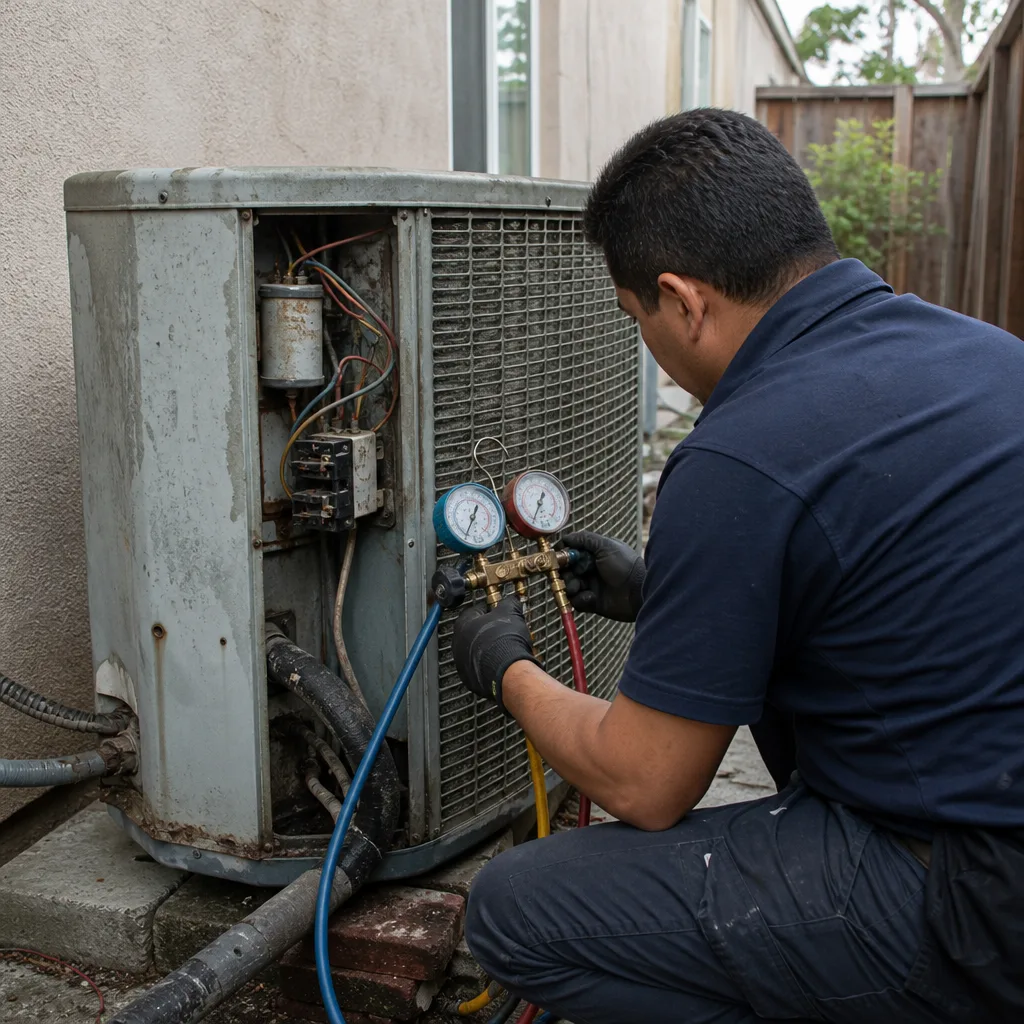 Before
 After
After Before
 After
After Before
 After
After