
Last updated October 16, 2026
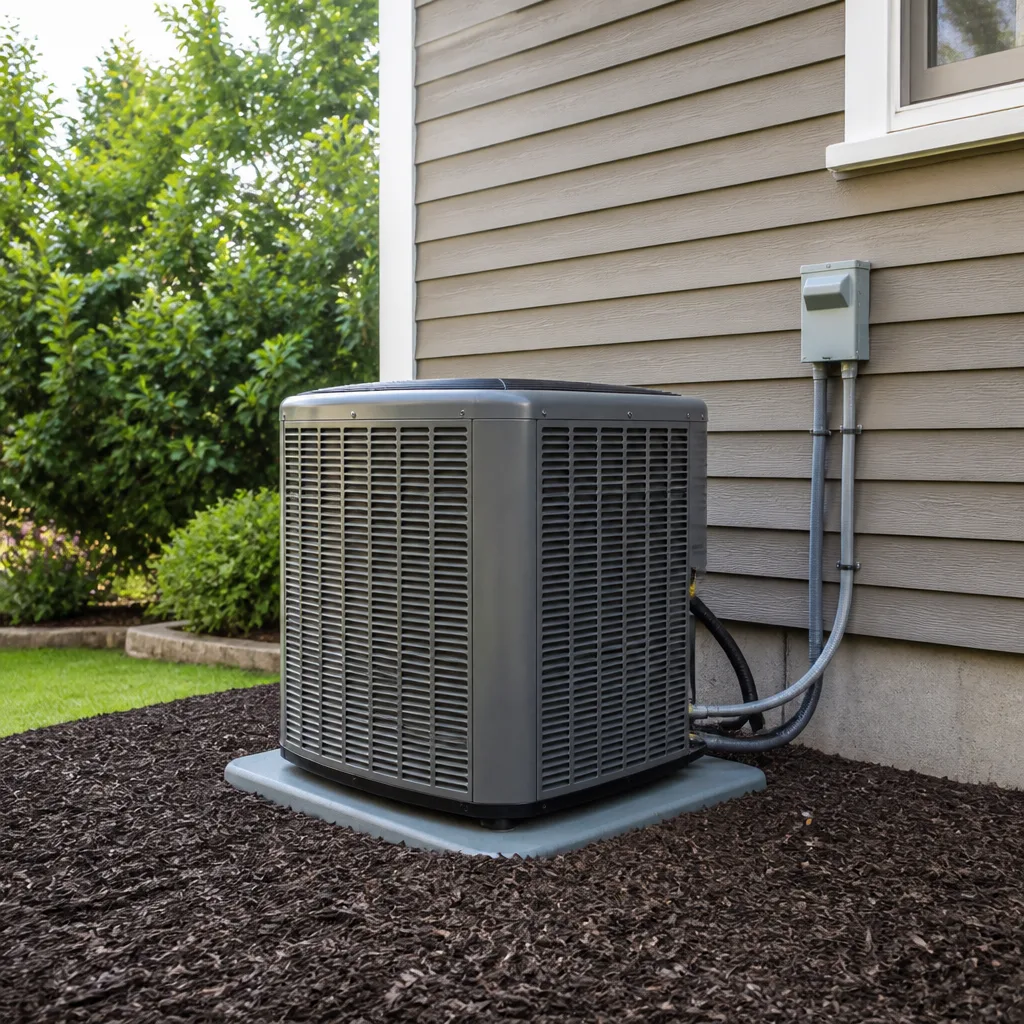 AC repair
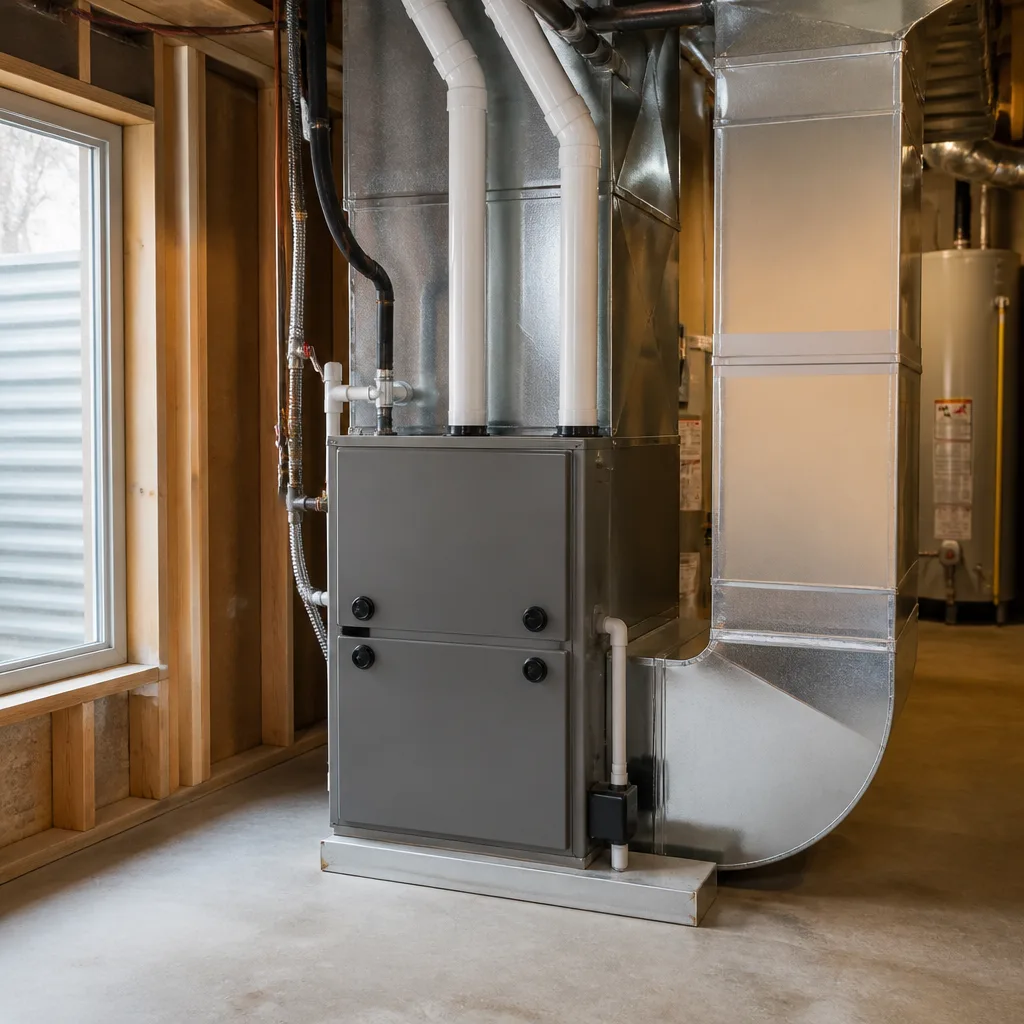 Furnace & heating
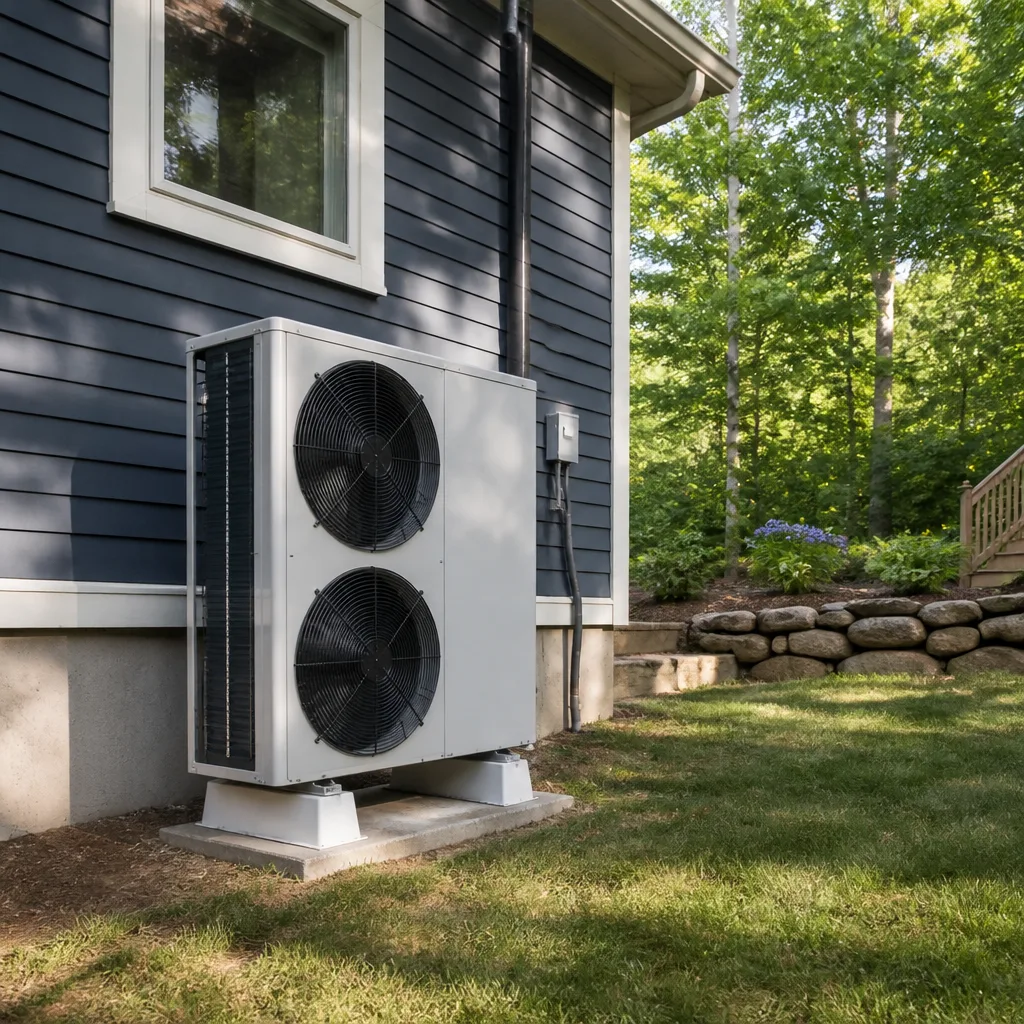 Heat pumps
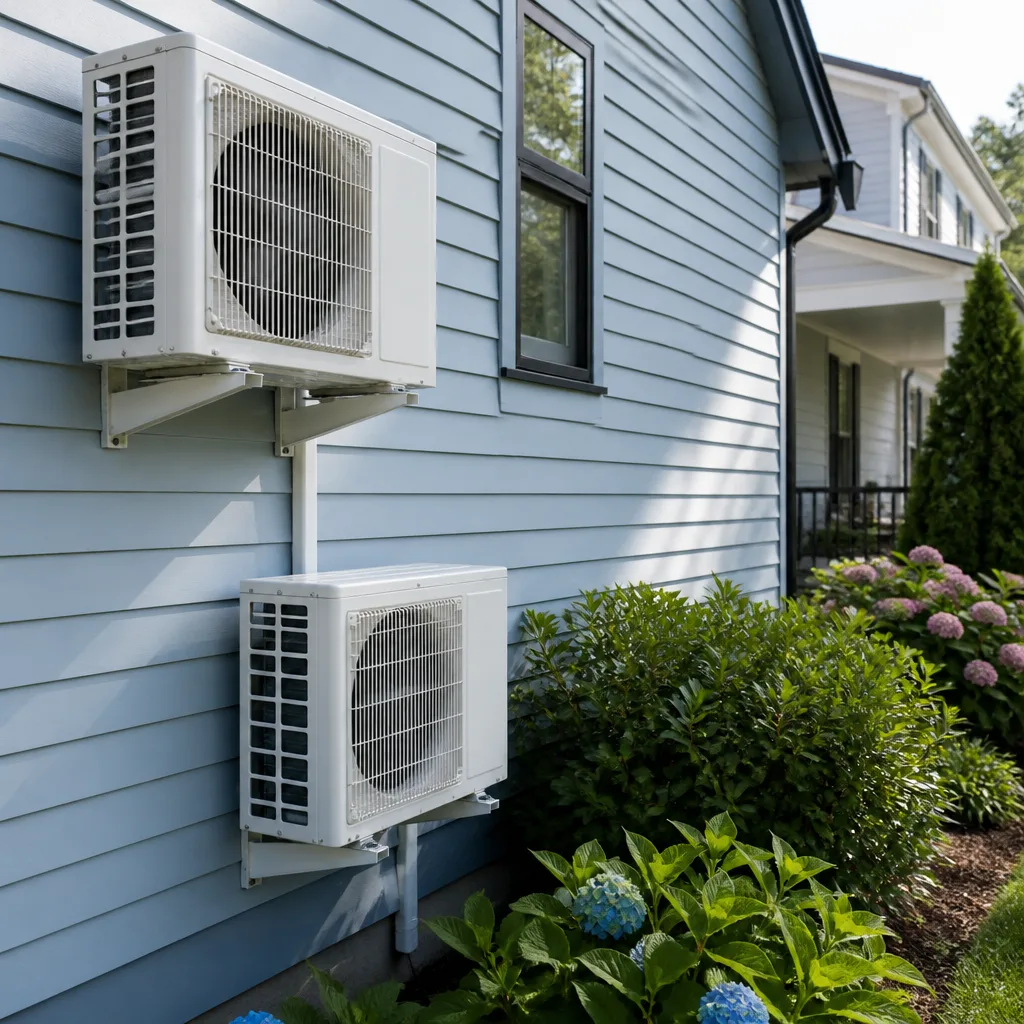 Ductless mini splits
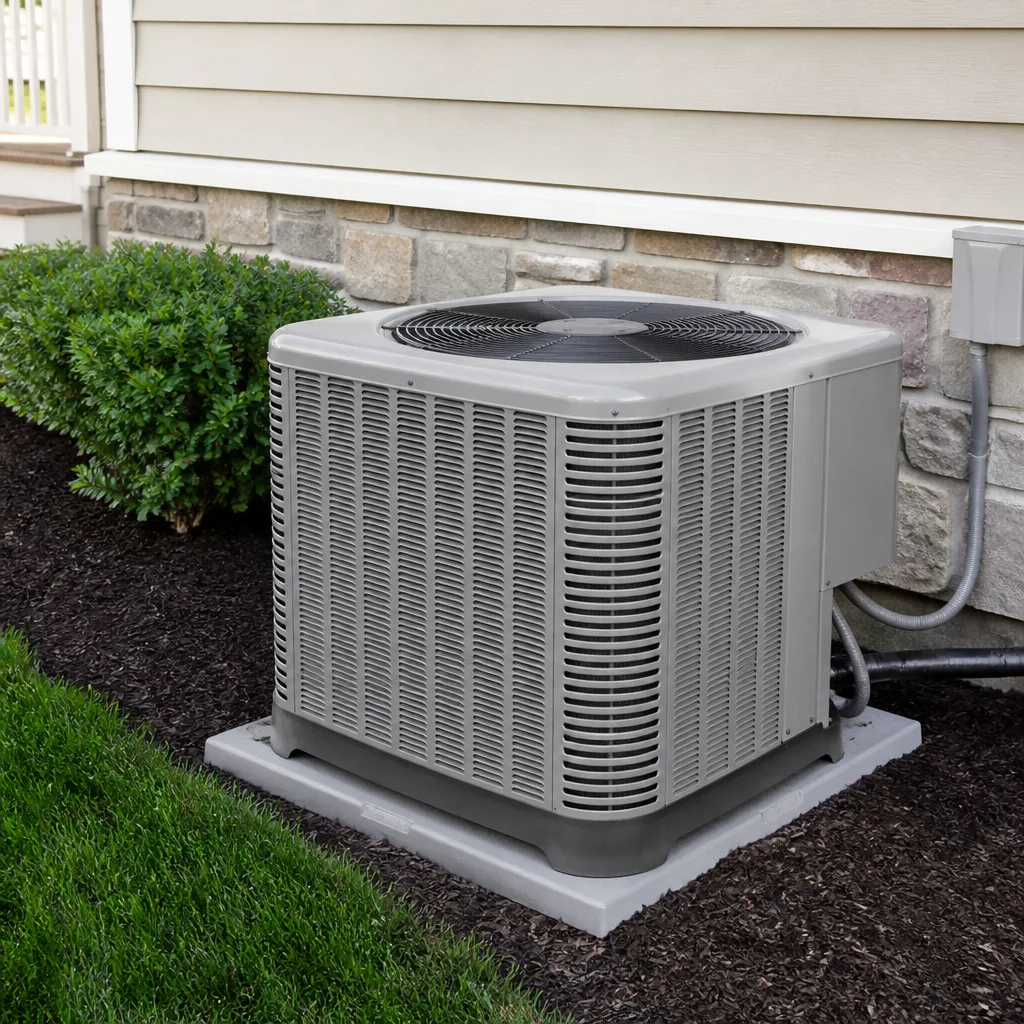 Carrier
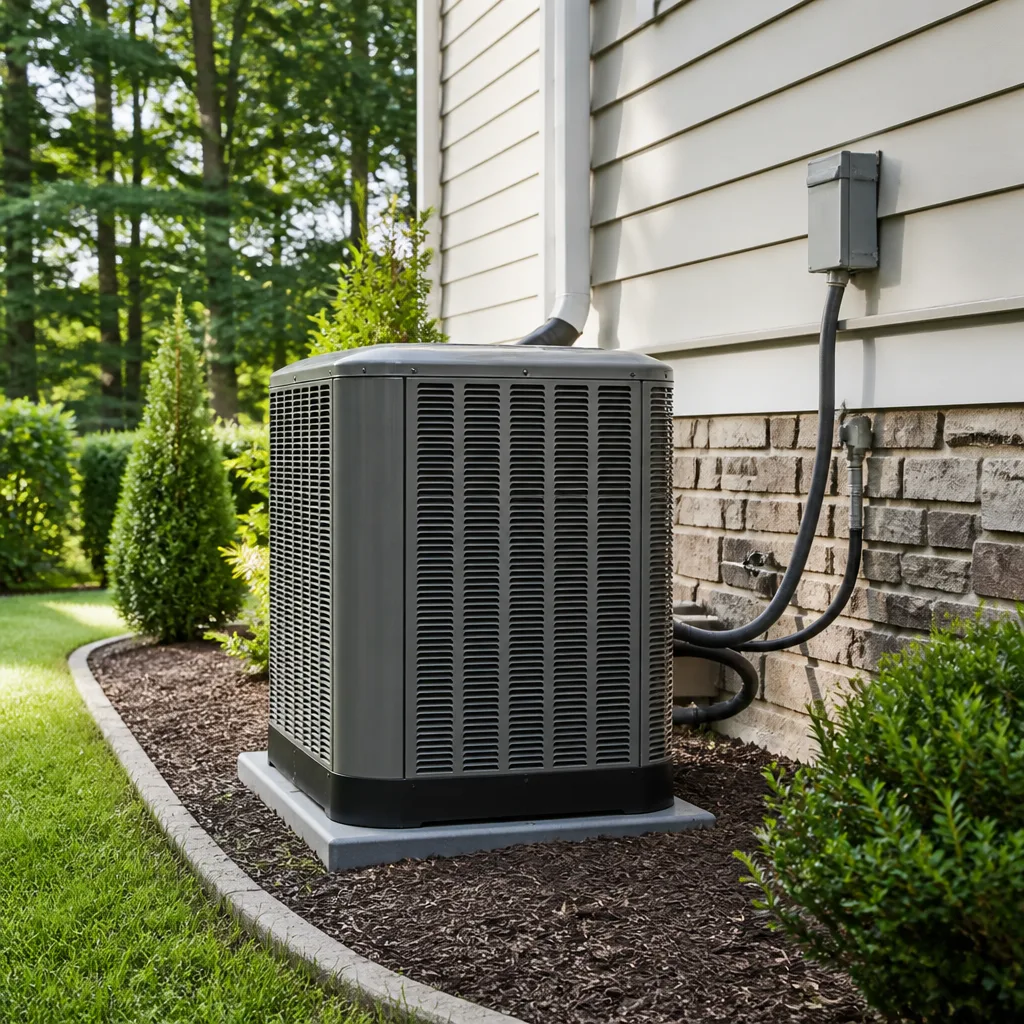 Trane
Trane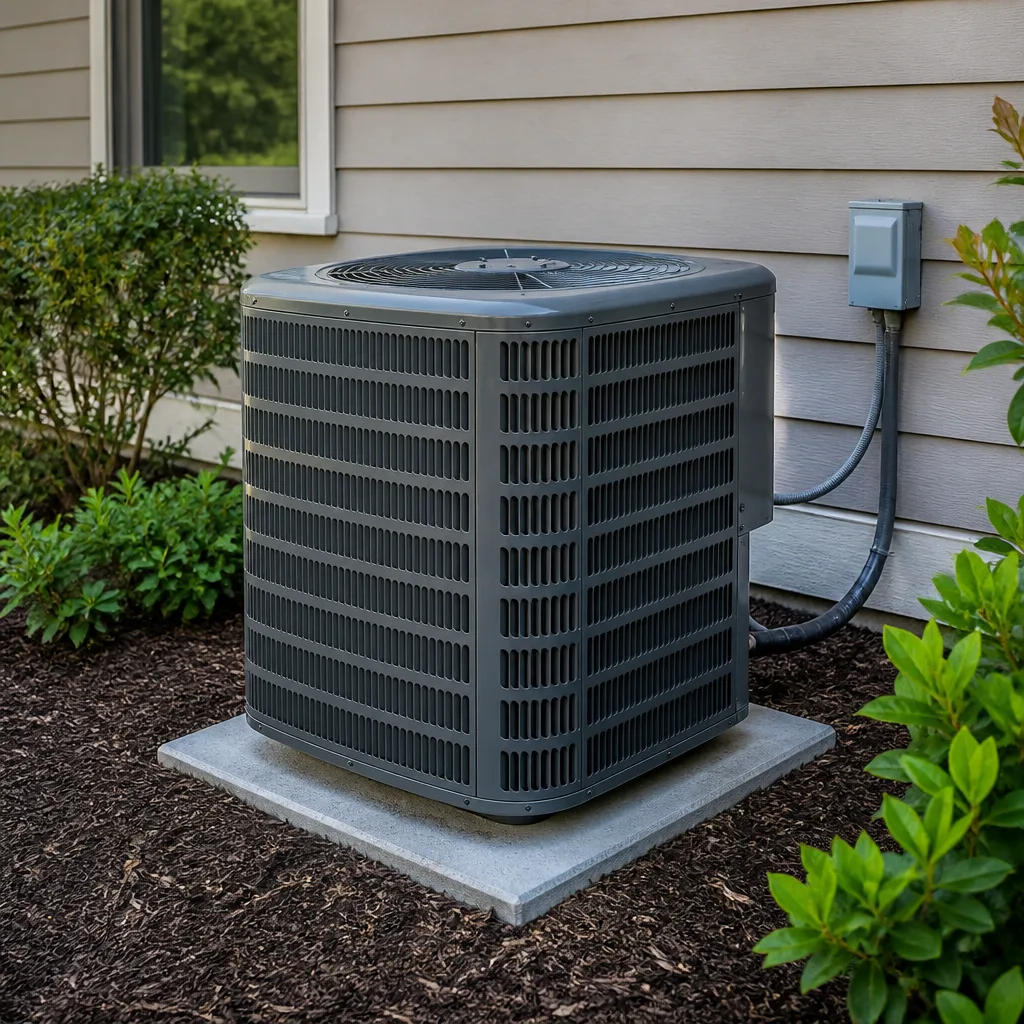 Goodman
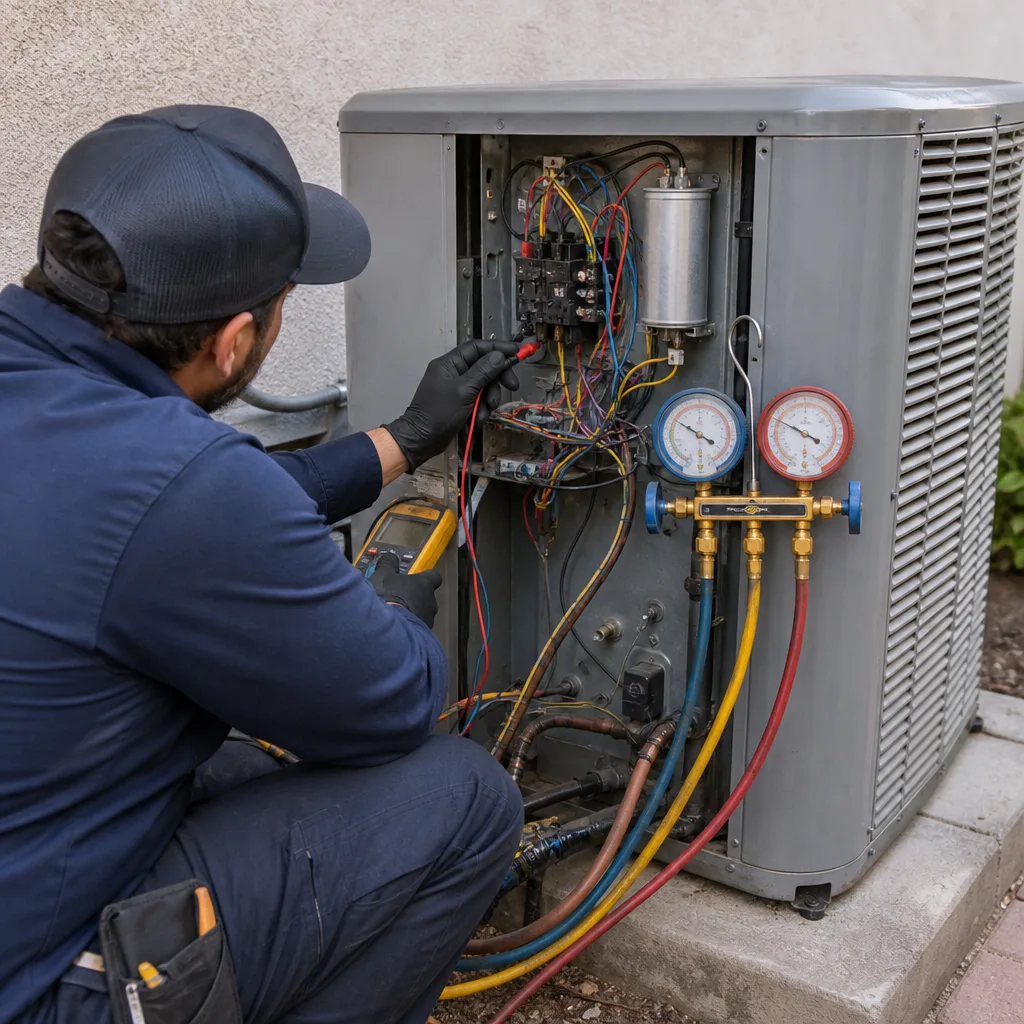
Seasonal tune-up and full diagnostic on your Carrier, Trane, or Goodman system - readings shown to you before any repair is proposed
Diagnosis first, numbers second - you approve the repair price before a single part goes in.
Get your free estimateHVAC Cost Breakdown: The Orange County Homeowner’s Reference for 2026
The national average for a central AC replacement gets quoted around $5,800 in most online guides. In Orange County, that same 3-ton system typically runs $7,200 to $11,500. The gap isn’t markup greed. It’s four line items most homeowners never think to ask about: California labor rates, Title 24 compliance, local permit fees, and refrigerant costs that swing with state policy. This guide breaks down every dollar in an Orange County HVAC quote so you can tell the difference between a fair price and a lowball bid that will cost more later, and our HVAC Permits, Codes & Inspections in CA: What You Need to Know explains the regulatory side in more detail.
We work in these homes every week, from Anaheim to San Clemente. We know what a legitimate quote looks like in this market, and we know what gets left out of the cheap ones. By the time you finish reading, you’ll know exactly what to ask for, what to refuse, and what a fair 2026 price actually is.
Styles & brands we work with
Quick Answer
A full central AC replacement in Orange County in 2026 typically costs between $7,200 and $11,500 for a standard 3-ton system, including equipment, labor, refrigerant, permit, Title 24 compliance, haul-away, and a parts-and-labor warranty. Add $2,000 to $5,000 more for a high-efficiency heat pump with variable-speed technology. The Orange County premium over national pricing comes from three things you can verify with any contractor: California-mandated labor overhead (18-25% higher than national), Title 24 energy compliance paperwork filed with HERS raters, and city-by-city permit fees ranging from $150 to $450.
Table of Contents
- The Line-Item Breakdown of a 3-Ton AC Replacement
- Why Orange County Labor Costs Run 18-25% Above National Average
- SCE Rebate Math: What Qualifies and Who Files
- Four Things Most Commonly Omitted From a Low Bid
- Financing Cost Transparency: Same-As-Cash vs. Standard Loans
- Heat Pump Pricing: Adding Up the 2026 Numbers
- Common Mistakes to Avoid
- When to Call a Professional
- Frequently Asked Questions
- The Bottom Line
The Line-Item Breakdown of a 3-Ton AC Replacement
Every Orange County AC replacement quote should show seven line items. If yours lumps everything into one number, ask for the breakdown. Here’s what we put in writing on every job, with 2026 dollar ranges for a standard 3-ton, 14-16 SEER2 system in a typical 1,800-square-foot Orange County home.
- Equipment (condenser, evaporator coil, and furnace-compatible air handler): $3,400 to $5,200 depending on brand and efficiency tier. A Goodman or York 14.3 SEER2 system lands at the lower end. A Rheem or Daikin 16 SEER2 with a variable-speed air handler runs higher.
- Labor (two-person crew, one full day, sometimes two): $1,900 to $3,100. This is where Orange County differs sharply from national averages, and we break down exactly why in the next section.
- Refrigerant (R-410A or the newer A2L blends): $250 to $600 depending on line-set length and whether your existing lines can be reused. The 2025 transition away from R-410A production means inventory pricing now carries a premium. Systems pre-charged with A2L refrigerants like R-454B or R-32 won’t need this line item for the condenser itself but will for the line set if it needs extending.
- Permit fee: $150 to $450 depending on city. Irvine, Huntington Beach, and Newport Beach each set their own mechanical permit schedules. Most Orange County cities fall in the $180 to $320 range for a basic AC change-out. This line item is non-negotiable and shouldn’t be optional from any contractor.
- Title 24 compliance form and HERS verification: $200 to $350. California requires a third-party HERS rater to verify refrigerant charge and airflow on any new system installation. The compliance form is mandatory before the permit finalizes. Some contractors fold this into the permit line. We list it separately so you can see it’s actually being done.
- Haul-away and disposal of the old equipment: $125 to $250. This covers removing the old condenser and coil, reclaiming leftover refrigerant per EPA rules, and taking everything to a certified recycling facility. If the old system is on a rooftop or a raised platform, the labor for that removal goes into the labor line, not here.
- Warranty registration and start-up documentation: Included in labor with most companies, but some charge $75 to $150 for the warranty registration filing and a copy of the commissioning report. Ask upfront. We register every warranty the same day and hand you the commissioning paperwork before we leave.
That adds up to roughly $7,200 at the leanest end and $11,500 at the high end. When a bid comes in below $6,500 for this same scope of work in Orange County, one of those line items is missing or dramatically underquoted. We cover the usual omissions later in this guide.
One more thing worth knowing: if your furnace blower is more than 12 years old and you’re replacing only the AC, the mismatched system will underperform. A 3-ton coil paired with an old single-speed blower delivers about 60-70% of the rated efficiency. The fix is a matched air handler or a furnace with a variable-speed blower, which adds $1,400 to $2,300 to the project. It’s the difference between a system that cools properly and one that runs constantly while humidity stays high.
Why Orange County Labor Costs Run 18-25% Above National Average
National cost guides assume a labor rate of $75 to $95 per hour per technician. In Orange County, the real number is $105 to $135 per hour. That difference isn’t profit padding. It’s what it costs to run a legal, compliant HVAC operation in California in 2026.
Start with workers’ compensation. California rates for HVAC technicians run significantly higher than in most states because the work involves electricity, refrigerants under pressure, rooftop access, and occasionally ladders over 20 feet. A company carrying proper coverage pays $18 to $28 per $100 of payroll for that classification. National guides rarely account for this.
Then add licensing and continuing education. California requires a C-20 warm-air heating, ventilating, and air-conditioning contractor’s license for any company doing HVAC work. The license itself is a state exam, bond, and application process. Technicians also need EPA Section 608 certification for refrigerant handling, which requires renewal and testing. These costs get amortized into every hour of labor a company bills.
The living-wage reality matters too. Orange County’s high cost of housing pushes entry-level apprentices to $22-$26 an hour and experienced lead techs to $38-$52 an hour. A company paying less than that is either sending out under-trained apprentices without supervision or operating with misclassified workers. In our experience, the crews that show up in uniform, with drop cloths and shoe covers on every visit, and with a written price before any work starts are the companies that pay their people properly. Those two things track together.
How to verify you’re paying for legitimate overhead versus markup, not just being told you are:
- Ask for the license number and verify it on the CSLB website. It takes 90 seconds. If the number on the quote doesn’t match an active C-20 license, you’re not paying for legal overhead, because there isn’t any.
- Ask whether the technicians are W-2 employees or subcontractors. W-2 employees mean the company pays payroll taxes, workers’ comp, and unemployment insurance. Subcontractors may mean the company is passing those costs onto the sub, who may not carry them. A licensed W-2 crew costs more per hour and it’s worth it.
- Ask for a certificate of insurance naming your address as additionally insured. Most legitimate companies will email you this same day. If a company hesitates on this, walk away from the bid entirely.
- Compare the labor line against the equipment line. If labor is under $1,500 on a full change-out, someone is cutting either wages, insurance, or time on-site. All three cut the quality of the install, not just the price.
We don’t chase the lowest price in Orange County and we don’t recommend you do either. We chase the price that gets the job done legally, cleanly, and right the first time. That’s what the Meadowsweet Heating and Air Orange County home standards are built around.
SCE Rebate Math: What Qualifies and Who Files
Southern California Edison runs rebate programs that can put $200 to $1,000 back in your pocket when you install qualifying HVAC equipment. The catch is that the filing has to happen before installation, with specific paperwork, and a lot of contractors in Orange County either don’t do it at all or leave it to the homeowner to chase afterward.
The 2026 SCE rebate tiers work like this, based on the system’s verified efficiency and whether it moves you off natural gas:
- Standard AC replacement (14.3 SEER2 or higher, non-heat-pump): $200 to $400, depending on the verified SEER2 and EER2 ratings on the commissioning report.
- Heat pump conversion (replacing gas furnace plus AC with an all-electric heat pump): $500 to $800 from SCE, often stacked with a separate TECH Clean California incentive of $1,000 to $3,000 for homes that remove a gas furnace entirely.
- High-efficiency variable-speed heat pump (18 SEER2 or above): Up to $1,000 combined from SCE when the HERS rater verifies actual installed performance, not just lab-rated numbers.
The filing sequence matters more than most homeowners realize:
- The contractor submits the rebate reservation before installation. SCE requires a pre-approval or reservation for most tiers. If the install happens first and the reservation second, the rebate may be void.
- A HERS rater verifies the installation after start-up. The rater confirms refrigerant charge, airflow, and duct leakage (for heat pump conversions). The verification report feeds into the rebate file.
- The contractor completes the rebate submission with the HERS report and the permit final. The rebate check goes to whoever the form designates. Some contractors take the rebate as a discount at signing and put the check in their own name. Others file it in the homeowner’s name so the check comes directly to you.
Ask any Orange County contractor three direct questions before signing: “Do you handle the SCE rebate filing?” “Do you file it before installation?” and “Does the rebate check come to me or is it applied as a discount?” If the answer to any of those is vague, that’s a red flag. At Meadowsweet, we file the reservation before we ever open the box of equipment, and the rebate is clearly listed on your written price as a line item. Nothing gets chased after install day.
Four Things Most Commonly Omitted From a Low Bid
When an Orange County quote looks too good to be true, it usually is. Here are the four line items most commonly missing from a lowball bid, and what they actually cost when they show up as add-ons after work starts.
- The permit. The most common omission. The bid says “$6,200” and never mentions a permit. The install goes in, the city never gets notified, and the homeowner now has an unpermitted system. When they sell the house, the buyer’s inspector flags it, and the seller pays $500 to $900 to pull an after-the-fact permit plus possible penalties. In Orange County’s coastal cities with strict building departments, that conversation with the city is not a fun one to have in escrow.
- Refrigerant. Some bids quote only the equipment and labor, then add $300 to $700 for refrigerant after the old system is dismantled and it’s too late to back out. If the quote doesn’t say “refrigerant included,” it isn’t, and you’ll find out when the tech is holding the gauge set.
- Old equipment disposal. The low bid says “we’ll haul away the old unit.” Then the crew leaves the old condenser on your side yard because “haul-away wasn’t in the quote.” The city of Anaheim, Santa Ana, and most others will not take an AC condenser as regular trash. You’ll pay $150 to $250 to a licensed scrap company or you’ll have a rusting unit behind your fence for two years.
- Condensate line and drain work. The bid covers the box and the coil. It doesn’t cover the corroded half-inch condensate line running through the garage. When the new coil drips and the homeowner notices, the “fix” is a $180 to $350 line replacement that should have been on the original quote. In Orange County, where summer humidity is low but winter coil dripping is constant, a working condensate line matters every month of the year.
None of these are exotic. They’re standard parts of a complete installation. A bid that leaves them out isn’t more affordable, it’s just hiding the price from you. Every quote we write lists each of these explicitly, with a dollar figure next to it, before we ever ask for a signature. That’s the C.A.R.E. values code in practice: explain the price before the work, because that’s how our crew is trained to behave.
If you’re comparing quotes right now, put them side by side and look for these four items. If one bid is $1,800 lower and missing two of them, it’s not actually lower. It’s just structured to win the sale and make it back on change orders.
Financing Cost Transparency: Same-As-Cash vs. Standard Loans
Same-as-cash financing has a cost, even when the monthly payment is zero during the promotional window. Here’s how the two most common Orange County HVAC financing structures actually work in 2026, so you can do the math before signing anything.
18-month same-as-cash: The headline says no interest for 18 months. The fine print says interest is deferred, not waived. If the balance is paid in full before day 548, you owe exactly the purchase price and nothing more. If any balance remains on day 549, the lender applies the full interest retroactively from day one, at the card’s standard rate, typically 26.99% to 29.99% APR on a promotional HVAC card. On a $9,500 system, if you pay $8,000 in the first 18 months and have $1,500 left, you don’t just start paying interest on the $1,500. You get hit with roughly $3,900 to $4,200 of retroactive interest on the full $9,500 balance. That’s the part nobody explains in the sales pitch.
Five-year standard HVAC loan: At 2026 rates for unsecured home improvement loans, expect 7.99% to 11.99% APR for strong credit, and 12.99% to 17.99% for mid-credit. On a $9,500 system at 9.99% APR over 60 months, the monthly payment is about $202, and the total interest paid over five years is roughly $2,600. You know the full cost on day one. There’s no balloon, no retroactive surprise.
The right choice depends on one question: are you certain you can pay the full balance in the promotional window? If yes, same-as-cash is free money. If there’s any doubt, the five-year loan is cheaper in almost every scenario where you carry a balance past the promo period.
Ask the contractor or lender these three things before signing a financing agreement:
- “Is this deferred interest or simple interest?” Deferred means the retroactive hit if you miss the payoff deadline. Simple means interest accrues monthly from day one and there’s no balloon.
- “What is the APR after the promo period?” If the answer is an APR, it’s a card-style deferred product. If the answer is a fixed-rate installment loan, it’s a straight loan.
- “What happens if I make a payment three days late?” Some deferred-interest products void the zero-interest window entirely with one late payment. Read that line carefully.
- Equipment: $5,800 to $9,000 for a cold-climate-capable heat pump with variable-speed inverter technology. In Orange County’s mild coastal climate, cold-climate ratings matter less than humidity control and turndown ratio.
- Electrical panel work: $400 to $2,500. Some homes need a 240V circuit run to the air handler location, and some older Orange County panels need a sub-panel to handle the added load. This line item varies more than any other on a heat pump quote.
- Duct sealing and airflow verification: $600 to $1,600. Heat pumps move lower-temperature air than furnaces, so leaky ducts hurt them more. A duct test and seal before install is standard on our heat pump jobs, not an add-on.
- Permit, Title 24, and HERS verification: $400 to $650, usually slightly higher than an AC-only change-out because of the California Title 24 requirements around duct leakage testing.
- Incentives (subtract these): SCE rebate of $500 to $1,000, TECH Clean California of $1,000 to $3,000 if you’re removing a working gas furnace, and federal 25C tax credit of 30% of the installed cost up to $2,000 on qualifying systems. On a $14,000 system, you may get $3,500 to $4,000 back between utility and federal programs.
- Using national cost guides as an Orange County benchmark. A $5,800 national average creates an anchor that makes legitimate local bids look inflated. The California labor market, Title 24, and local permit fees are real line items with real costs. Recognizing them is how you avoid both overpaying and under-buying.
- Accepting a bid with no permit line. Unpermitted HVAC work gets flagged at resale, can void your homeowner’s insurance claim if the system fails and causes damage, and in some Orange County cities carries fines. A bid without a permit line is a bid from someone who is either careless or cutting corners.
- Comparing quotes that don’t name the equipment model. “3-ton 16 SEER” isn’t a model number. Same SEER rating, different coil, different air handler, different blower motor, and the actual delivered efficiency changes. Ask for model numbers on every quote and don’t compare across brands without them.
- Signing same-as-cash financing without reading the deferred interest terms. One late payment or one missed payoff deadline can turn a $9,500 system into a $13,000 one. Know whether it’s deferred or simple interest before you sign, not after.
- Skipping duct inspection on an AC replacement. A new high-efficiency system on leaky 25-year-old ducts in an Orange County tract home delivers roughly the same comfort as the old system. Every replacement quote should include a duct assessment, even if it costs $100 to $200 to do it properly.
- Choosing the contractor before checking the CSLB license and insurance. Ninety seconds on the CSLB site and an emailed certificate of insurance solve most risk before it starts. Get both before the crew arrives, not after the system is half-installed.
- Waiting until July to replace a failing AC. Orange County’s first heat wave hits in late June or early July. Contractors are booked, lead times stretch to two or three weeks for equipment, and emergency pricing appears. Replacing in spring or fall gets you better scheduling and more time to evaluate quotes.
We don’t pressure anyone into a particular financing product. We show the full cost, explain which structure fits which household, and put the terms in writing. A financing decision made with complete information is the only kind worth making.
Heat Pump Pricing: Adding Up the 2026 Numbers
In Orange County, the heat pump conversation has shifted from “should I consider one” to “how much more does it actually cost.” The answer, in 2026 numbers, is more honest than the sales enthusiasm on either side of the question.
A complete heat pump conversion, meaning you remove the gas furnace and install an electric air handler with a heat pump condenser, runs $10,500 to $16,500 in Orange County for a standard 3-ton system. A high-efficiency variable-speed system in a larger home runs $15,000 to $22,000. Those are real, verified Orange County price ranges, not national guide numbers.
Here’s what that money buys when you stack the incentives properly:
The monthly-operating-cost question is local too. Orange County’s mild winter and hot summer means a heat pump is cheaper to run than a gas furnace most months, but the exact number depends on whether you’re on an SCE Time-of-Use rate and whether your home has solar. The only honest answer to “what will it cost per month” is “let’s look at your actual bill and do the math.” We do that with homeowners before quoting equipment, because the right system depends on the rate plan as much as the square footage.
If your furnace is under 10 years old and working fine, a heat pump conversion is probably not the next move for your house. If your furnace is 15-plus years old and you’re replacing the AC anyway, the all-electric route often pencils out within five to seven years in Orange County, especially with the current incentive stack. That’s the honest framing, and we give it to every homeowner whether or not they buy from us.
For the repair-before-replace conversation, our AC Repair in Orange County page lays out what’s fixable and what isn’t on a system-by-system basis. If your furnace is the aging piece, start with Furnace Repair in Orange County to understand the realistic lifespan left in your current equipment.
Common Mistakes to Avoid
When to Call a Professional
Call before the problem becomes an emergency. If your AC runs but doesn’t cool below 78 degrees on a 90-degree day, if your furnace makes a grinding noise on start-up, or if your energy bill jumped 40% with no change in usage, those are fixable problems that get worse with time. If the system is over 15 years old and the repair quote exceeds 30% of the replacement cost, start planning the replacement on your timeline, not the system’s. If you smell gas from a furnace, that’s an immediate call, not a scheduled one. And if you’re in the middle of a heat wave with a dead compressor, same-day repair is available from companies that keep inventory in stock. Meadowsweet Heating and Air Orange County offers free estimates across Orange County, answers the phone around the clock, and puts every price in writing before any work begins. Call (831) 618-1580 to talk through what’s happening with your system.
Frequently Asked Questions
A complete system replacement, meaning both the furnace and AC, typically costs $9,500 to $16,500 in Orange County depending on equipment efficiency and home size. That includes both units, labor, refrigerant, permit, Title 24 compliance, haul-away, and warranty. A heat pump conversion that removes the gas furnace runs $10,500 to $16,500 before incentives. Call (831) 618-1580 for an exact quote on your home, and the estimate is free.
Orange County HVAC prices run 18 to 25 percent above national averages because California workers’ compensation rates, licensing requirements, and living-wage costs are all higher than most states, and because every installation requires a city permit and Title 24 compliance verification. Those are real line items with real costs, not markup.
Same-day installation is rarely possible or wise. A proper installation includes a permit, a Title 24 compliance form, equipment ordered for your specific home, and a full day on-site with a two-person crew. Same-day emergency repairs are a different story, and those are available for systems that have failed. For installation, expect a scheduled date with a written fixed price, not a rush job.
Southern California Edison offers $200 to $1,000 in rebates for qualifying high-efficiency systems, and heat pump conversions can stack an additional $1,000 to $3,000 from TECH Clean California plus a federal tax credit of up to $2,000. The rebate must be reserved before installation with SCE, and the contractor should handle the filing. Ask whether the rebate comes as a discount or a check in your name before signing.
Replace if the system is over 15 years old, uses R-22 refrigerant, or needs a repair that costs more than 30 percent of the replacement price. Repair if the system is under 10 years old, has a clean service history, and the failing part is a capacitor, contactor, or similar component. We’ll tell you which path fits your specific system when you call, not because we’re pushing either one.
A standard AC replacement takes one full day with a two-person crew. A full furnace and AC replacement or a heat pump conversion takes two to three days, including the permit inspection. Duct replacement adds one to two days. You’ll have a set install date and a written price before any work starts, and the crew will leave the house clean, with shoe covers and drop cloths used throughout.
The Bottom Line
Orange County HVAC pricing is higher than the national guide numbers for reasons you can verify: California labor overhead, Title 24 compliance, city permits, and refrigerant costs tied to state and federal policy. A fair 3-ton AC replacement runs $7,200 to $11,500. A full system or heat pump runs more, but incentive stacks bring the net cost down substantially. The key is getting a written, line-item quote that names the equipment, includes the permit and compliance work, and treats the financing terms as a cost you actually understand. For maintenance that prevents these costs, see our Seasonal HVAC Care for Orange County: Year-Round Homeowner’s Guide. When you’re ready to talk specifics about your home, call (831) 618-1580. We’ll walk through your current system, your goals, and the real numbers for your house in Orange County. No pressure, no vague promises, just a clear price and a plan.
Written by Luis Serrano, Owner at Meadowsweet Heating and Air Orange County, serving Orange County since 2004. Explore more guides & resources from our team.
See the difference
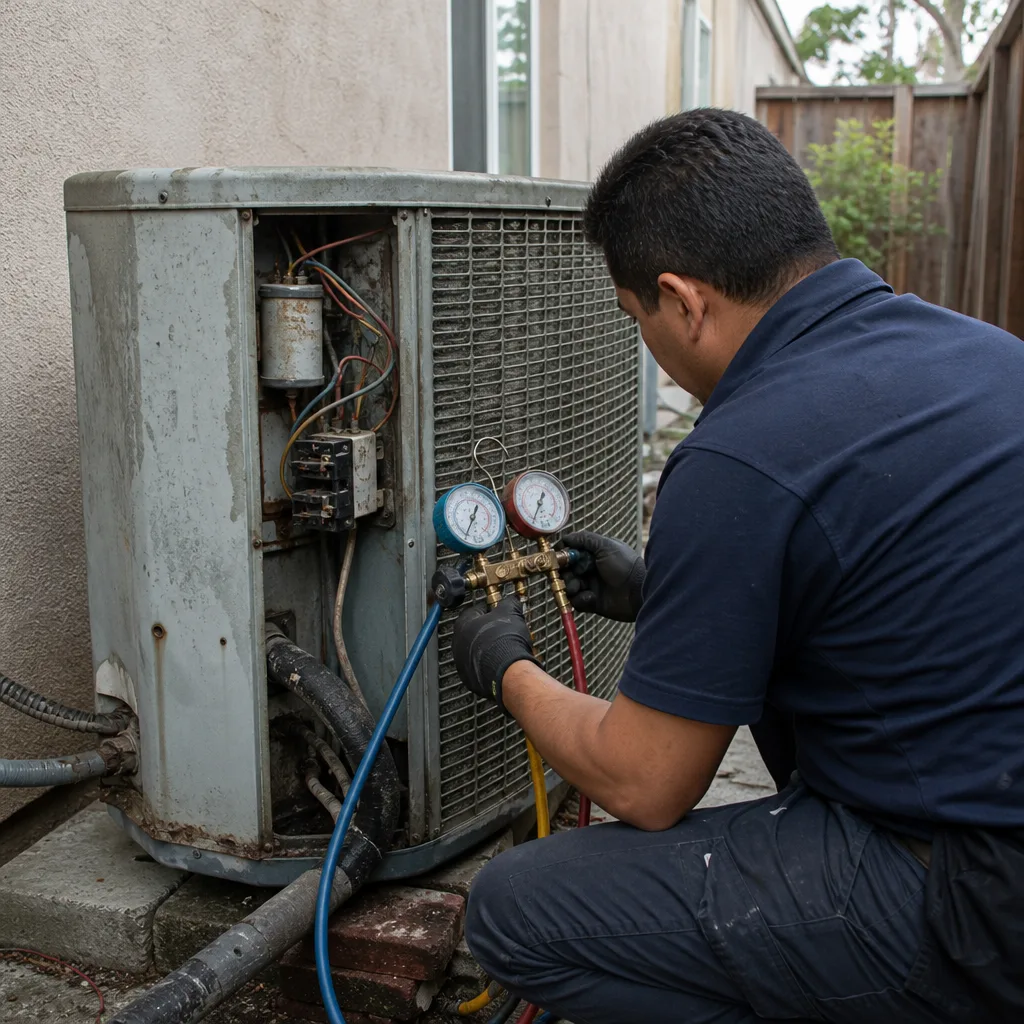 Before
 After
After Before
 After
After Before
 After
After