
Last updated October 16, 2026
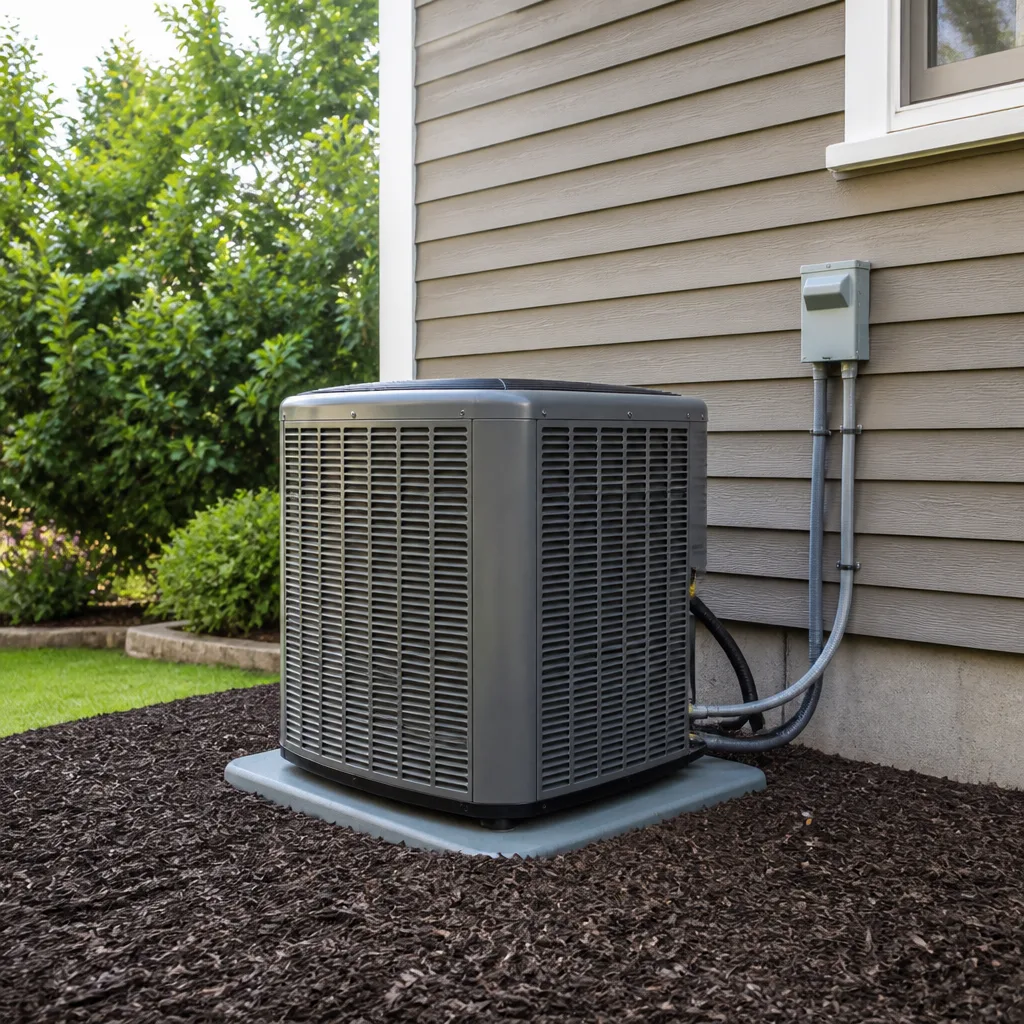 AC repair
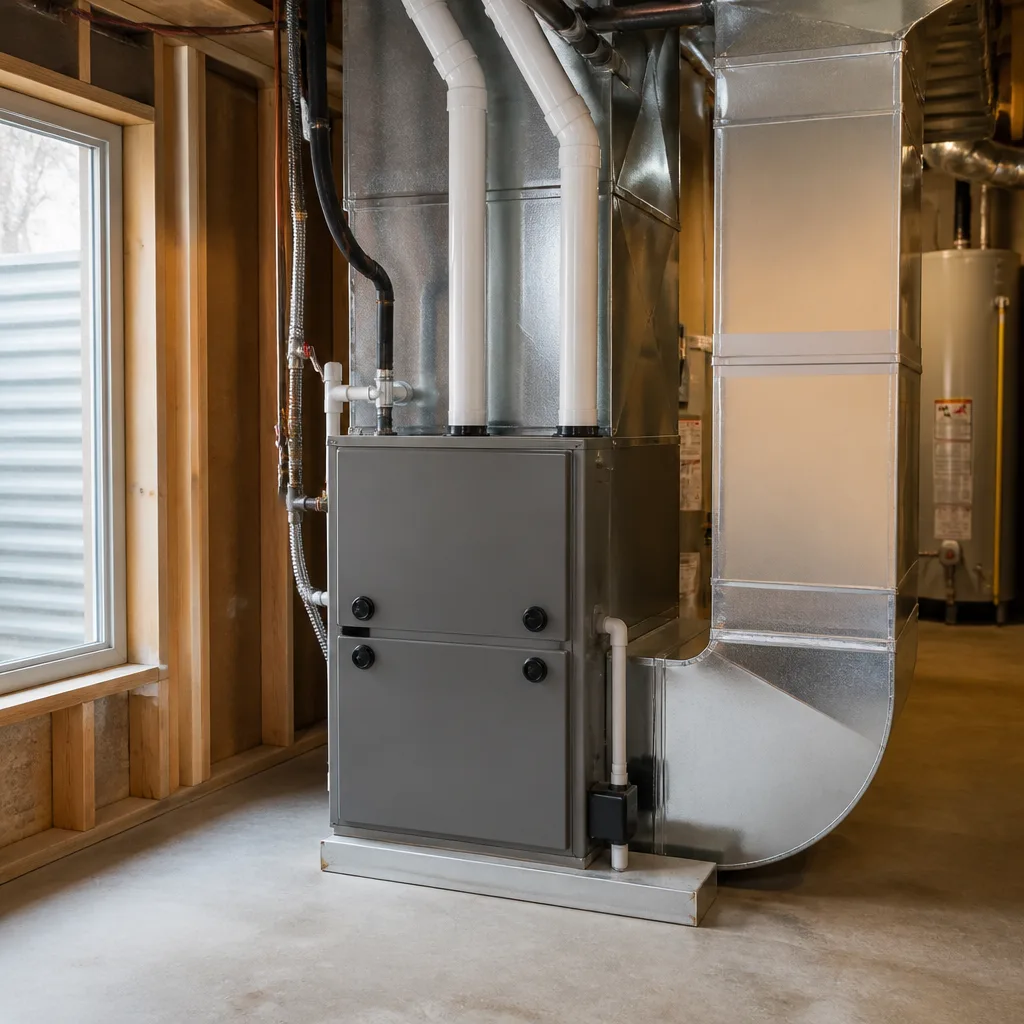 Furnace & heating
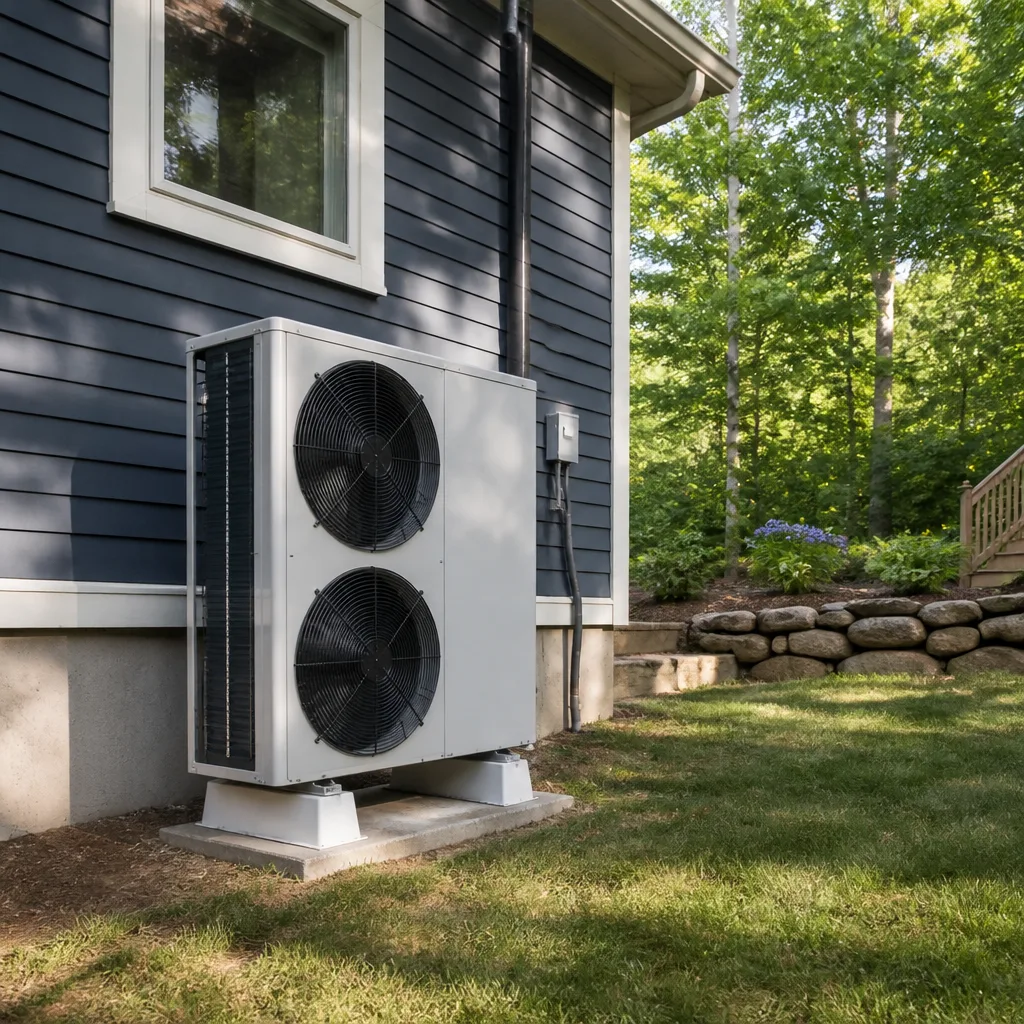 Heat pumps
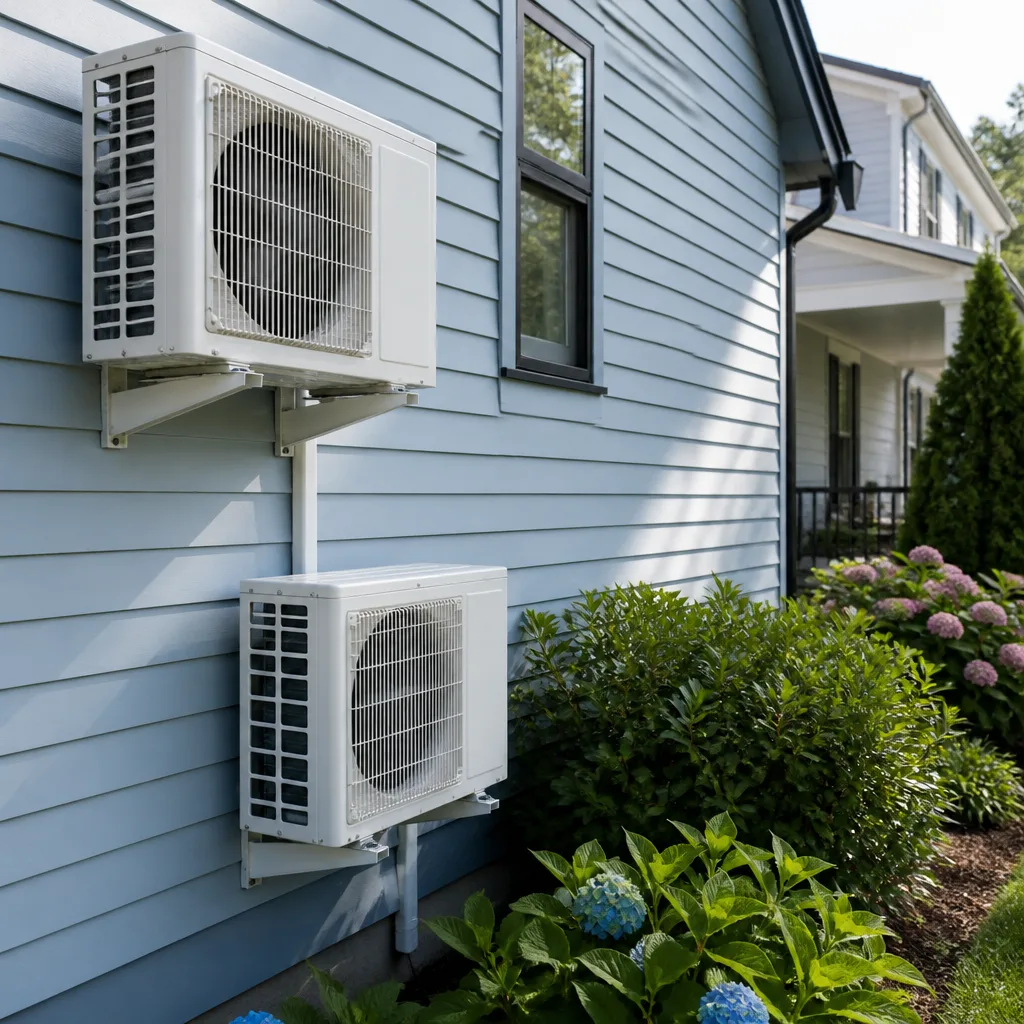 Ductless mini splits
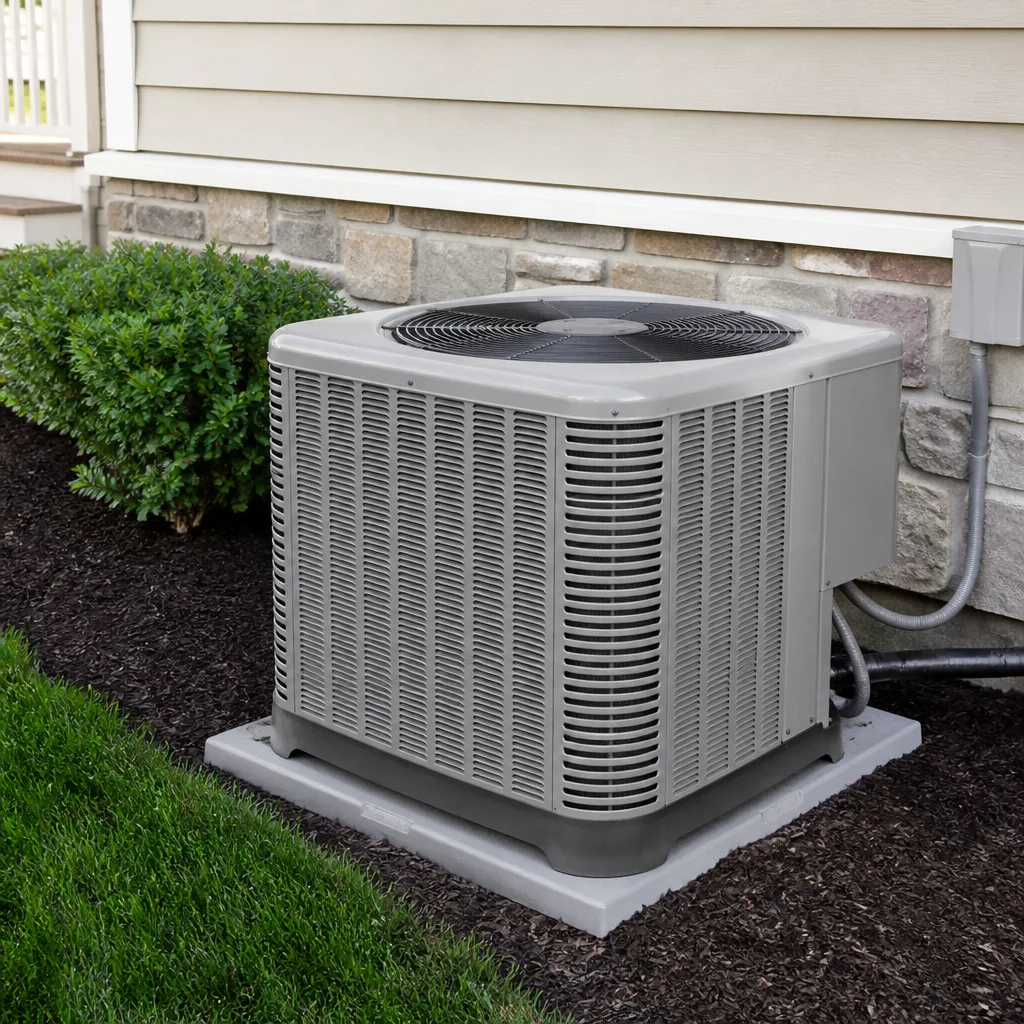 Carrier
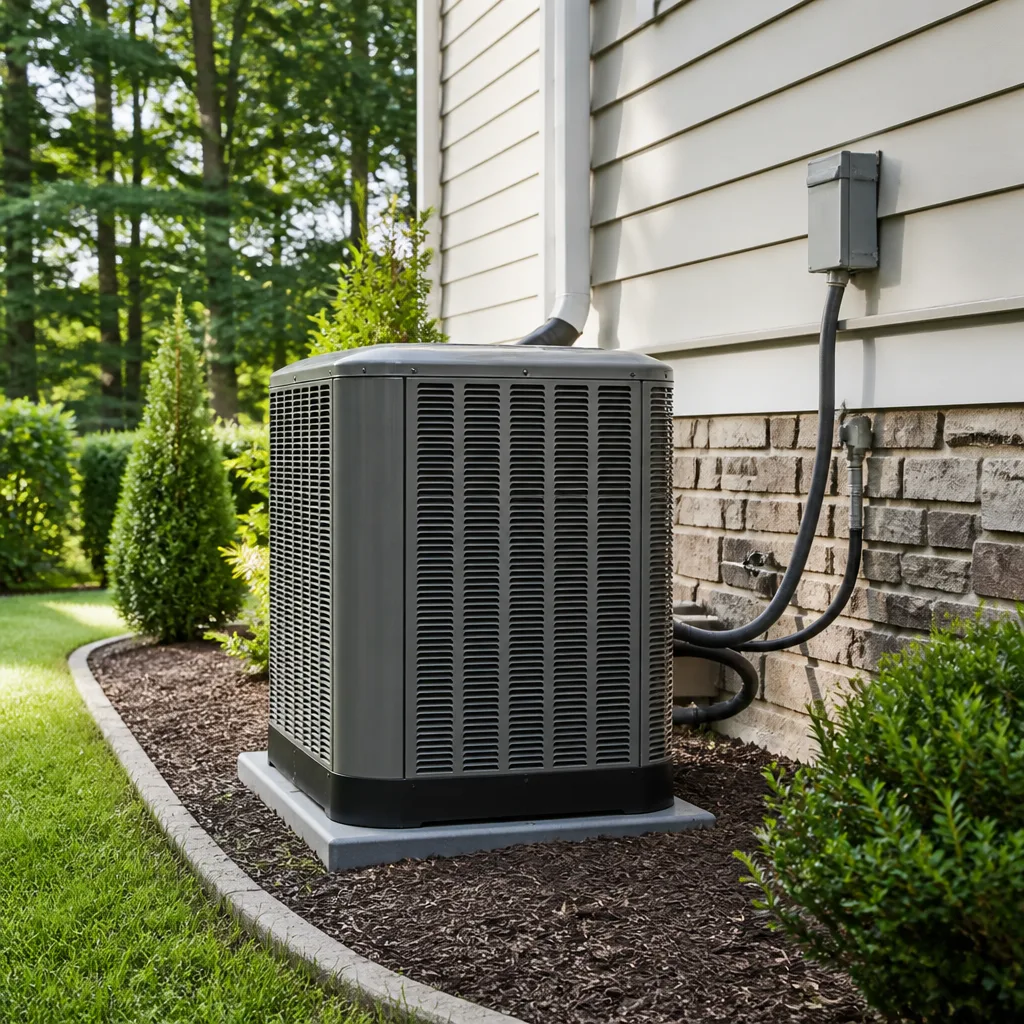 Trane
Trane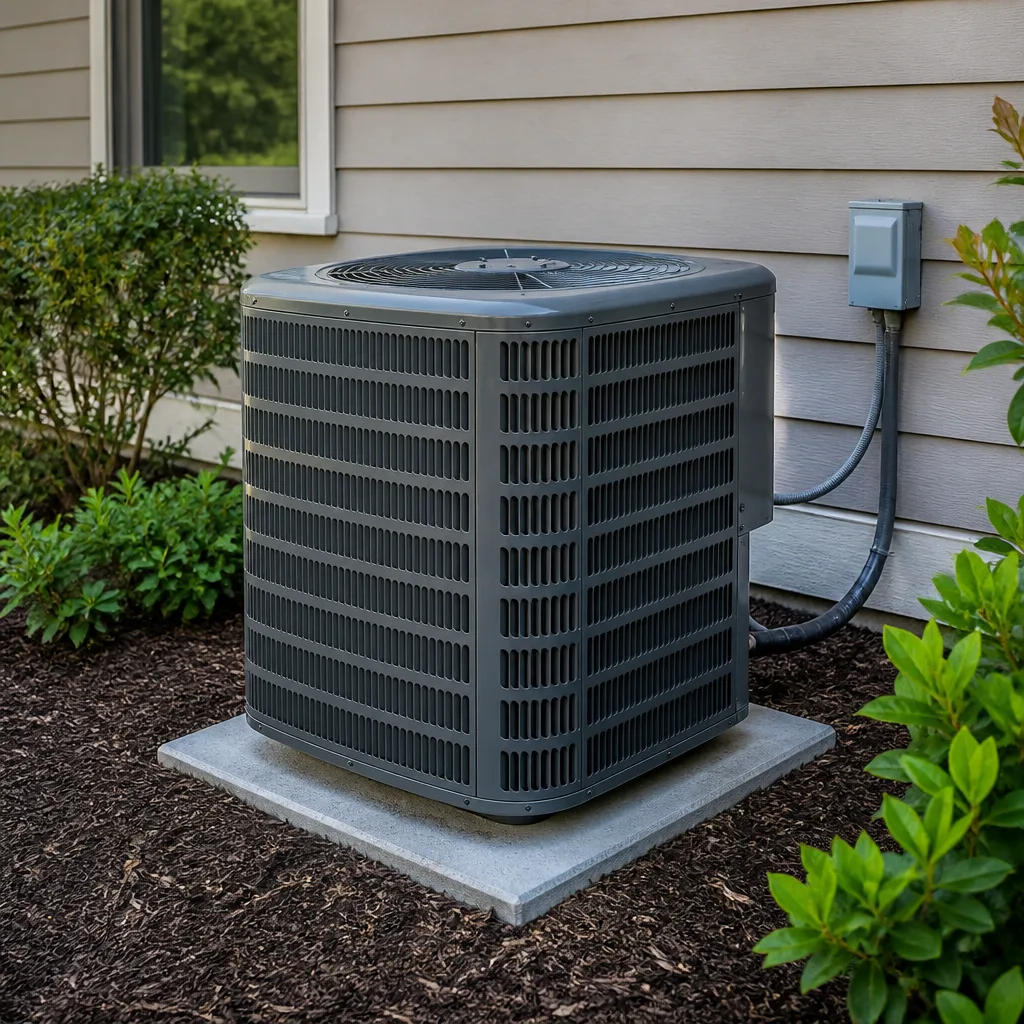 Goodman
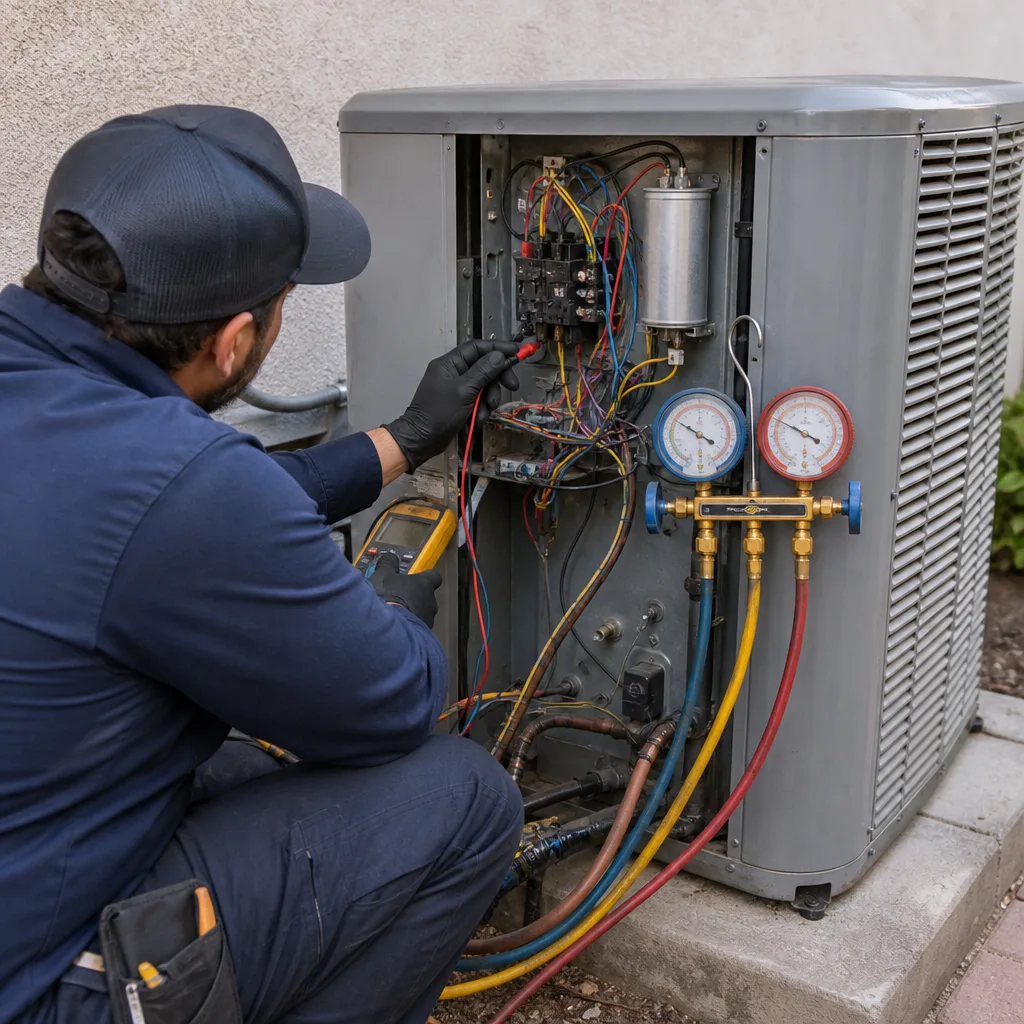
Seasonal tune-up and full diagnostic on your Carrier, Trane, or Goodman system - readings shown to you before any repair is proposed
Diagnosis first, numbers second - you approve the repair price before a single part goes in.
Get your free estimateHow to Hire a HVAC Contractor in Orange County: A Step-by-Step Guide
An unpermitted HVAC installation in California can void your homeowner’s insurance coverage for related claims and trigger a mandatory disclosure at resale. Yet estimates from industry groups suggest that 30 to 40 percent of residential HVAC replacements in Southern California are installed without the required permit. Most homeowners never find out until something goes wrong. This guide walks you through a documented verification process for hiring a heating and air contractor in Orange County, so you know exactly what to check, what to ask, and what to walk away from before you ever sign a contract. For HVAC Warning Signs: A Orange County Homeowner’s Reference Guide, see our companion resource.
Quick Answer
To hire an HVAC contractor in Orange County, verify their C-20 Warm-Air Heating and Air Conditioning license on the CSLB website, confirm they will pull the city permit in writing, get a written quote that lists equipment model numbers and warranty terms, and check reviews specifically for how the crew treats the home during and after the job. A contractor who skips any one of these steps is putting you at legal and financial risk. A written price before work starts is non-negotiable.
Styles & brands we work with
Table of Contents
- Verify the C-20 License on the CSLB Website
- Ask the Permit Question Before Any Quote
- Use a Six-Line Written Bid Comparison
- Read Reviews for Post-Job Behavior, Not Just Fixes
- Spot Contract Red Flags Before You Sign
- Why Equipment Brand Matters Less Than You Think
- What HVAC Work Actually Costs in Orange County
Step 1: Verify the C-20 License on the CSLB Website
The single most important document in any Orange County HVAC hire is the contractor’s California state license. Specifically, you want a C-20 classification, which is the Warm-Air Heating, Ventilating and Air-Conditioning Contractor license. A general B license allows a contractor to build a deck or frame a wall, but it does not authorize them to install or repair HVAC equipment. When you see a general contractor offering furnace replacements, that is a red flag, because the work falls outside the scope of their license.
Here is the two-minute verification process:
- Go to the Contractors State License Board website at cslb.ca.gov.
- Click “Check a License” and enter the contractor’s name or license number.
- Look at the classification line. It must say C-20 or include C-20 alongside other classifications.
- Check the license status. It must read “Active.” Any other status, such as “Suspended” or “Expired,” means stop right there.
- Check the expiration date. A license expiring next month is not necessarily a disqualifier, but a contractor who lets it lapse while quoting your job is not managing their own paperwork.
- Look at the workers’ compensation insurance field. For any job with employees, this should show as active. If a worker gets hurt on your property and the contractor has no coverage, your homeowner’s policy can be dragged into the claim.
Orange County building departments, including those in Irvine, Anaheim, Santa Ana, and Huntington Beach, routinely check license classifications when permits are pulled. If the contractor cannot pass the CSLB check, they cannot legally pull a permit, which means your job was never going to be done to code in the first place.
Step 2: Ask the Permit Question Before Any Quote
There are two answers a contractor can give when you ask about HVAC Permits, Codes & Inspections in CA: What You Need to Know. “We pull the permit” is the answer you want. “You can pull the permit as the homeowner” is a signal to end the conversation.
Here is why. When a contractor pulls the permit, they are listed as the responsible party on the permit record. That means they are accountable to the city inspector for the quality of the installation. If something is wrong, the inspector’s correction notice goes to them, and they have to fix it before the permit can be closed. When a homeowner pulls the permit, the liability shifts. The homeowner becomes the responsible party on paper, even if they never touched a tool. Problems become the homeowner’s legal problem to resolve.
Orange County cities issue permits through their individual building departments. Requirements vary slightly, but every city requires a mechanical permit for HVAC system replacement or new installation. The permit includes an inspection, and the inspection verifies things like proper condensate drainage, correct electrical disconnect placement, proper refrigerant charge documentation, and code-compliant duct connections. A contractor who suggests skipping the permit is not saving you money. They are transferring risk to you.
Ask directly: “Will you pull the permit, or will I?” Write the answer into the contract. If the answer is vague, walk away.
Step 3: Use a Six-Line Written Bid Comparison
A real Orange County HVAC quote looks different from a vague estimate. An estimate is what you get when a contractor says “around eight thousand, maybe nine” before they have measured anything. A written bid includes specific line items that let you compare one contractor’s offer against another. If a line is missing, ask for it in writing before moving forward.
Here are the six line items that separate a real quote from a guess:
- Equipment model number. Not “a 3-ton Carrier unit.” The actual model number, which tells you the exact efficiency level, noise rating, and feature set. A model number lets you look up the equipment yourself.
- SEER rating. The Seasonal Energy Efficiency Ratio is a number, and it matters in Orange County, where air conditioners run for months. A SEER2 of 15 meets current minimum standards. A SEER2 of 18 or higher costs more up front and uses measurably less electricity.
- Refrigerant type. New residential systems in California use R-454B or R-32, which replaced R-410A under environmental regulations. If a contractor is quoting old-stock R-410A equipment, that is legal to install in some cases, but it is worth knowing before you sign.
- Warranty terms. Who covers parts, who covers labor, for how long, and is the labor warranty transferable if you sell the house? A five-year labor warranty from a company that disappears next year is worth less than a two-year labor warranty from a company that has been serving Orange County since 2004.
- Permit inclusion. The line should explicitly state that the permit cost and inspection scheduling are included in the total price. Not “permit extra.” Not “permit to be determined.”
- Job-site cleanup responsibility. This line names what happens when the work is done. Who removes the old equipment? Who sweeps the attic access? Who vacuums the hallway? If it is not written, it is not promised.
At Meadowsweet Heating and Air Orange County home, we provide a written price before any work starts, every visit, every job. The number you see is the number you pay. No line items appear after the fact.
Step 4: Read Reviews for Post-Job Behavior, Not Just Fixes
Most people read HVAC reviews to learn whether the air conditioner got cold again. That is the wrong question. A competent technician can fix a unit. The question that matters for an Orange County homeowner is what the house looked like after the crew left.
Here is what to look for when you read reviews:
- Did the crew protect flooring? Look for mentions of shoe covers, drop cloths, or floor protection. In Orange County, where many homes have hardwood, tile, or light-colored carpet in hallways, a crew that tracks attic insulation onto the upstairs landing has created a new problem.
- Did they show up in the window promised? Not “did they show up.” Did they show up when they said they would. Reviews that mention “called ahead” or “arrived early” are a positive signal. Reviews that mention “waited all day” are a warning.
- Did they leave the attic hatch the way they found it? An attic access panel that is not re-seated properly lets conditioned air escape and dust seep in. A review that mentions the hatch being left open or insulation scattered across the garage is describing a crew that did not finish the job.
- How did they handle pets and kids? Reviews that mention the crew asking about a dog before entering, or working quietly while a baby napped, tell you more about how your own day will go than any star rating.
- Was the final price the quoted price? Reviews that describe surprise charges, “additional fees,” or a final bill higher than the estimate are describing a specific failure. Avoid those companies.
We build our process around a specific standard for this. Our technicians are background-checked and uniformed. They follow the C.A.R.E. values code on every visit: Clean up like it is their own home, Ask before moving anything, Respect the family’s time and quiet hours, Explain the price before the work. Shoe covers and drop cloths go on before the first tool comes out, and we send a photo of the clean-up before the crew leaves.
Step 5: Spot Contract Red Flags Before You Sign
The conversation can feel perfect and the contract can still be a problem. Contracts are where vague language hides. Here are the specific red flags to look for in an Orange County HVAC contract.
“Additional charges may apply.” This phrase, or anything like it, is an open door. A contract that leaves room for unspecified additional charges is not a contract. It is an invitation. Ask for a written, itemized price that covers the full scope of work. If the contractor says they cannot provide one because they do not know what they will find, that is what a site visit and a proper assessment are for. They should know before they quote.
Missing warranty transfer terms. If you sell your Orange County home in the next five years, the new owner may want to know the HVAC system and its labor warranty carry over. A warranty that is not transferable is worth nothing to a buyer. Ask for the transfer terms in writing before you sign. If the contract does not mention them, they do not exist.
No written price before work begins. In California, state law requires contractors to provide a written contract for home improvement work over $500. That is a floor, not a ceiling. You should not accept verbal pricing for any HVAC repair or installation, regardless of the amount. A written price before any work starts is a basic professional standard. We make it a non-negotiable part of every job we do in Orange County.
Vague scope of work. A contract that says “install new HVAC system” without naming the equipment, the location, the ductwork scope, and the final condition of the job site is not specific enough. The contract should describe what the house will look like when the crew is finished, not just what the equipment will be.
Deposit demands that seem high. A deposit to cover equipment ordering is normal. A demand for 50 percent or more up front is not typical in the Orange County market and should give you pause. Established contractors with real local operations do not need to fund your job entirely from your deposit.
Step 6: Why Equipment Brand Matters Less Than You Think
Homeowners fixate on brand. That is understandable when you are about to spend several thousand dollars. But the truth in Orange County HVAC work is that the installing contractor matters more than the name on the unit. A Carrier system installed badly will underperform and fail early. A lesser-known brand installed precisely, with correct airflow and a proper refrigerant charge, will deliver years of reliable service.
That said, brand does matter for parts availability and warranty network. We service equipment from nine major brands, including Carrier, Trane, Lennox, and American Standard. When a homeowner has a Trane system, we can source parts and honor the manufacturer’s warranty terms without sending them through a phone tree. When a homeowner has an off-brand unit that went out of production, the repair conversation changes.
Our advice for Orange County homeowners: choose the contractor first. Let the contractor recommend two or three equipment options at different price points, with model numbers and SEER ratings written out. Compare the written bids. Then decide. A reputable contractor will not pressure you into a brand you do not want. They will show you what each option costs and let you choose.
Step 7: What HVAC Work Actually Costs in Orange County
Orange County HVAC pricing runs higher than inland markets because of local labor rates, permit fees, and the specific efficiency requirements of California’s energy code, Title 24. Here is a realistic picture of what you should expect to see on written bids in 2025.
- Diagnostic service call: $90 to $180. This covers the visit and the diagnosis. Any repair work is quoted separately, in writing, before it begins.
- Common AC repairs: $250 to $900, depending on the part. Capacitors, contactors, and condensate pumps sit at the lower end. Blower motors and circuit boards sit at the higher end.
- Full AC replacement with new condenser and coil: $8,500 to $16,000, depending on SEER rating, brand, and system size. Higher-efficiency units cost more up front and save on SCE bills.
- Furnace replacement: $4,500 to $9,000. This varies with efficiency level and whether new duct connections are needed.
- Complete system replacement, furnace and AC: $13,000 to $22,000. This is the most common project we quote in Orange County, where many homes were built with original equipment from the 1980s and 1990s that is now being replaced for the first time.
- Duct cleaning or sealing: $600 to $1,800, depending on the size of the home and the condition of the ducts. Older Orange County homes with original ductwork often need sealing more than cleaning.
These are ranges, not quotes. Your home’s specific layout, duct condition, and equipment needs will move the number. What matters is that the contractor gives you a written, itemized price before you commit. For AC repair in Orange County or a full AC installation in Orange County, the written bid should be specific enough that you can compare it line by line against another contractor’s offer.
Common Mistakes to Avoid
- Hiring on price alone. The lowest Orange County bid is often low because something is missing from the scope: no permit, no cleanup, no warranty labor. A bid that is 20 percent lower than everyone else should make you curious, not comfortable. Ask what is included.
- Skipping the CSLB check. Two minutes on the CSLB website can reveal a suspended license, an expired bond, or a classification gap. Skipping it means trusting a stranger with the most expensive system in your home.
- Accepting a verbal quote. If the price is not written, it does not exist. Verbal quotes shift. Written quotes are enforceable. Every reputable Orange County HVAC contractor writes the price down before work starts.
- Not asking who pulls the permit. The permit question changes liability. “You pull it” means you own the risk. “We pull it” means the contractor owns the risk. This single question is the fastest filter in Orange County.
- Ignoring reviews about clean-up. A five-star review about a cool house is nice. A review that mentions shoe covers, drop cloths, and a swept hallway tells you what your own home will look like after the job. Read for the details.
- Choosing a brand before choosing a contractor. Brand loyalty without contractor verification is backwards. The installation determines performance. Find the contractor, then choose from their equipment options.
- Signing a contract with “additional charges may apply.” That phrase is a future invoice waiting to happen. A real bid is itemized and complete. If a contractor cannot write it down, walk away.
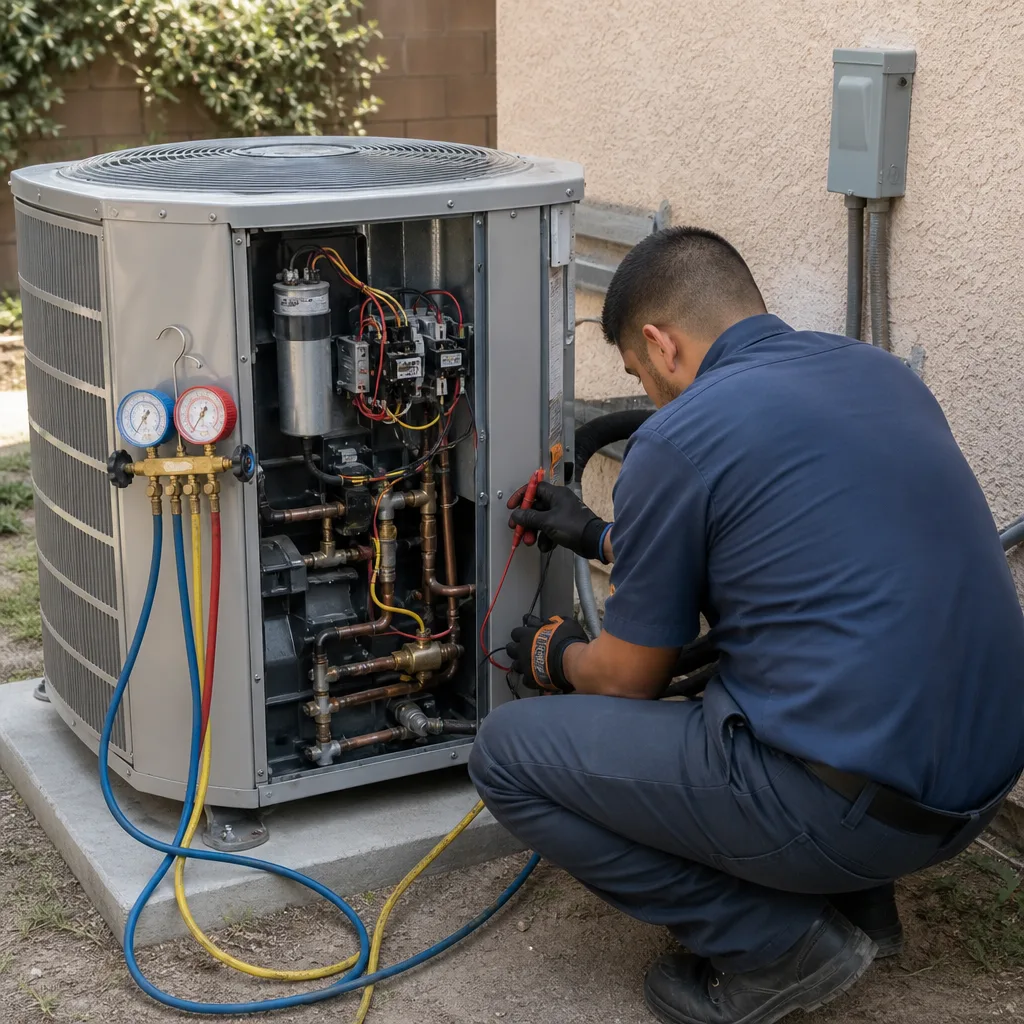
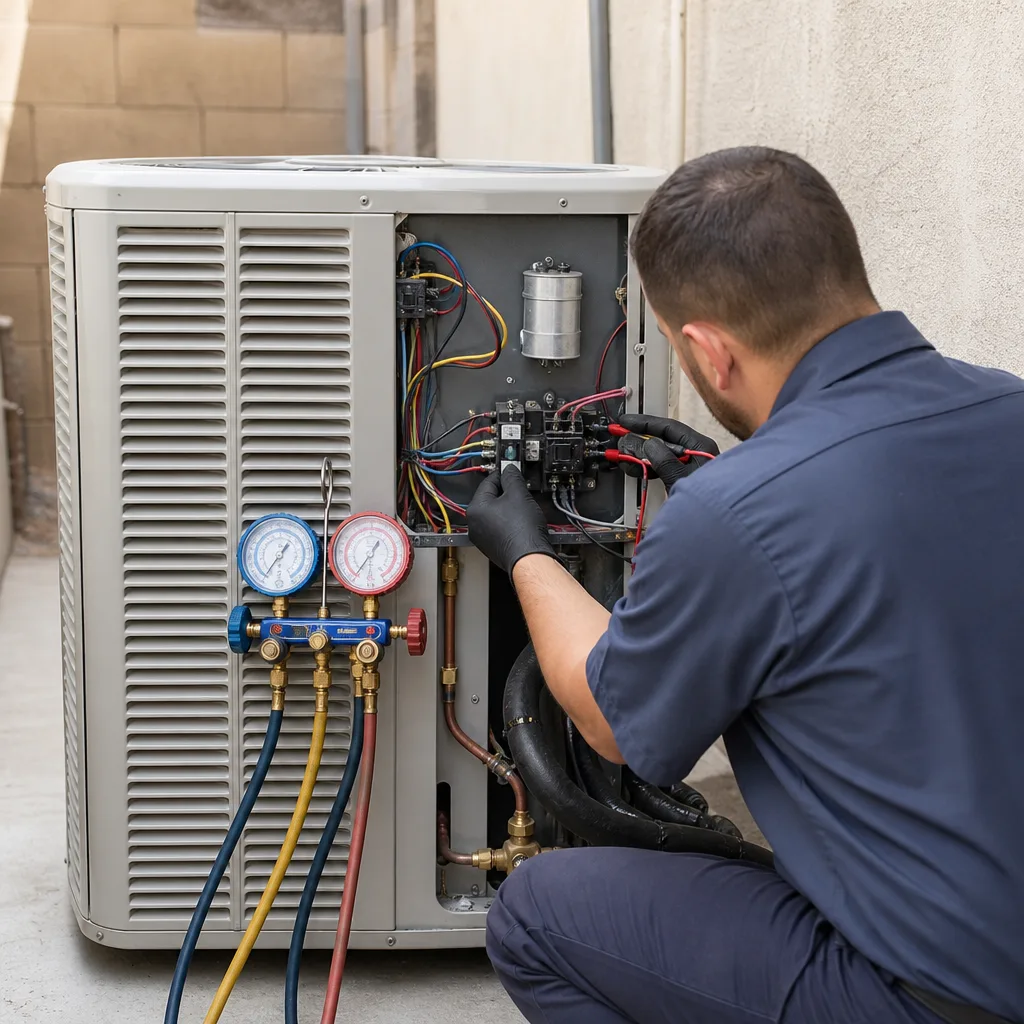
See the difference
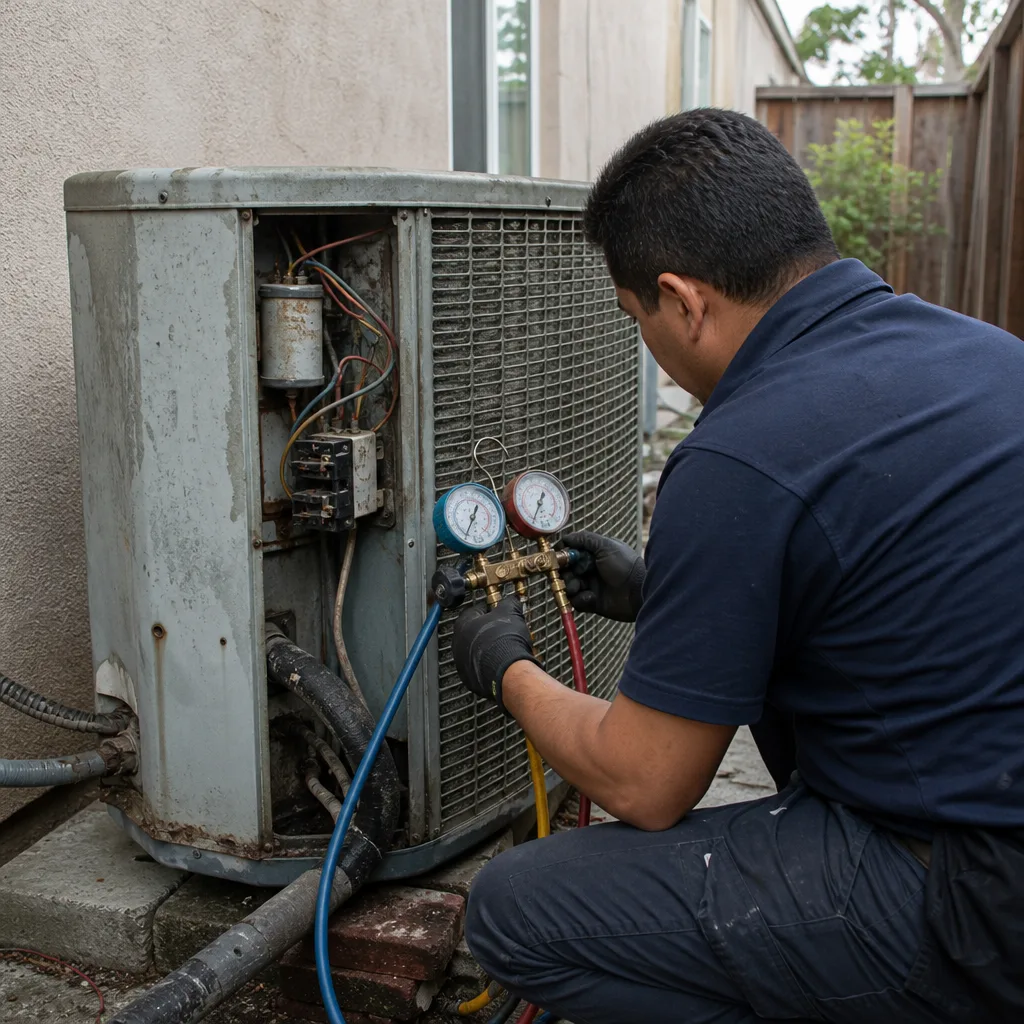 Before
 After
After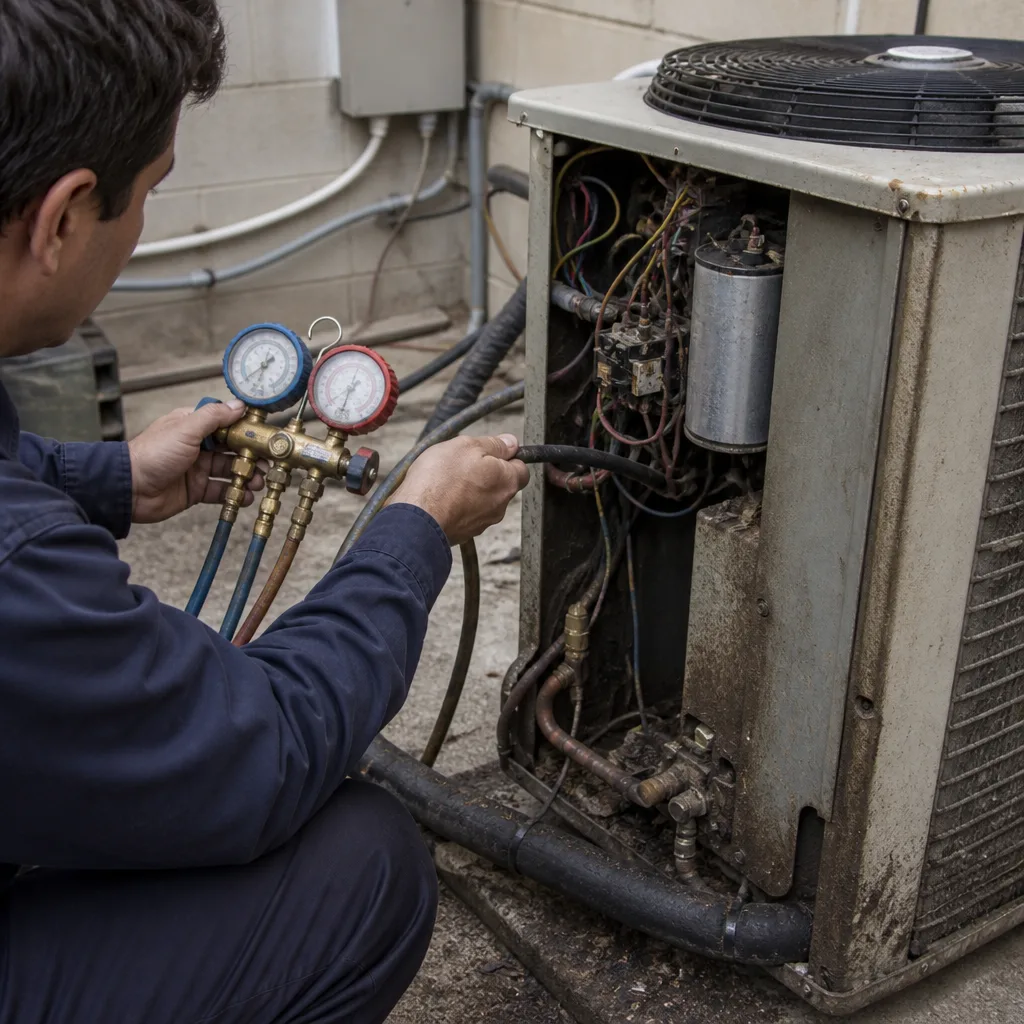 Before
 After
After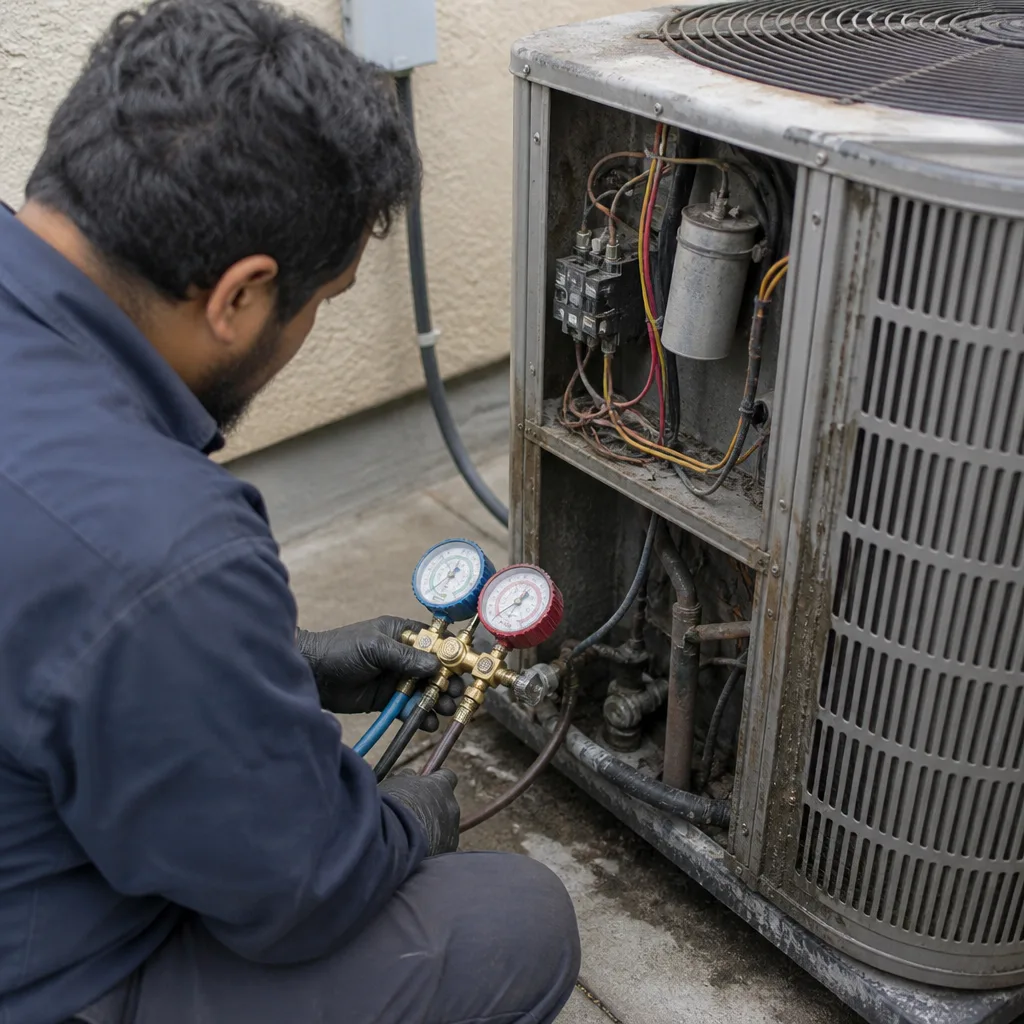 Before
 After
AfterWhen to Call a Professional
Some HVAC situations can wait for a scheduled visit. Others need help now. You should call an Orange County HVAC professional the same day if your air conditioner is blowing warm air during a heat wave and you have young children, elderly family members, or pets at home. A home interior over 90 degrees becomes a health risk, not a comfort issue. Call if you smell gas near the furnace, if water is pooling around the indoor unit, or if the system is making sounds you have never heard before. For furnace repair in Orange County or any heating issue, do not wait. A failed furnace in an Orange County winter, while milder than most of the country, still leaves a house cold overnight and can be dangerous for infants and seniors. Meadowsweet Heating and Air Orange County offers free estimates in Orange County. Call (831) 618-1580 and a live person will answer, any time, day or night.
Frequently Asked Questions
Go to cslb.ca.gov and enter the contractor’s name or license number in the “Check a License” tool. The classification must include C-20 for HVAC work, the status must be Active, and the workers’ compensation field should show coverage if the contractor has employees. This takes about two minutes and is the single most important check you can perform.
A mechanical permit is required for HVAC system replacement or new installation in every Orange County city, including Irvine, Santa Ana, Huntington Beach, and Mission Viejo. The permit includes a city inspection that verifies code compliance on drainage, electrical connections, and refrigerant handling. If a contractor says a permit is not needed, they are wrong.
Replace the system if the compressor has failed on a unit older than 12 years, if the repair cost exceeds 40 percent of replacement cost, or if the system uses R-22 refrigerant, which was phased out and is increasingly expensive to source. Repair makes sense for younger systems with a single failed component and a solid inspection record. A qualified Orange County contractor can give you a written repair quote and a written replacement quote side by side, letting you decide with real numbers.
A full AC replacement in Orange County typically runs between $8,500 and $16,000, depending on equipment efficiency, brand, and home size. A complete furnace and AC system replacement generally runs $13,000 to $22,000. These are 2025 ranges, not quotes. Your written bid should list the exact equipment model number, SEER rating, and permit inclusion so you can compare apples to apples. Call (831) 618-1580 for an exact quote based on your home.
You need a C-20 licensed contractor for HVAC installation, replacement, or repair in California. A handyman with a general B license or no license at all cannot legally perform HVAC work that requires a permit. If the work requires a permit and an unlicensed person does it, you can be held liable for code violations, voided insurance coverage, and resale disclosure problems. The license check takes two minutes. Do it before you call.
A standard AC and furnace replacement in Orange County takes one full day, sometimes two if the job involves significant ductwork replacement or accessibility challenges in an older home with a tight attic. The contractor should tell you the expected duration in the written bid and should keep you informed if the schedule changes. A crew that protects your floors, wears shoe covers, and leaves the job site clean at the end of day one is one you will want back.
The Bottom Line
Hiring an HVAC contractor in Orange County is a vetting process, not a leap of faith. For more guides & resources, explore our blog. Check the C-20 license on the CSLB website. Ask who pulls the permit and put the answer in writing. Compare bids across six specific line items: equipment model number, SEER rating, refrigerant type, warranty terms, permit inclusion, and cleanup responsibility. Read reviews for how the crew handled the home, not just whether the system got fixed. And before anything else, get a written price. The right contractor will show you all of this without being asked. The wrong one will make you feel like you are being difficult. You are not. You are being careful with your home.
If you are looking for an HVAC contractor in Orange County, we would welcome the chance to show you how we work. We are part of the Cedarwell family of HVAC companies, founded in 2004, and every job we do is backed by the 365-Day Done Right Promise. A live person answers our phone 24 hours a day, 7 days a week. Call (831) 618-1580 for a free estimate, and we will give you a written price before any work starts.
Written by Luis Serrano, Owner at Meadowsweet Heating and Air Orange County, serving Orange County since 2004.