
Last updated October 16, 2026
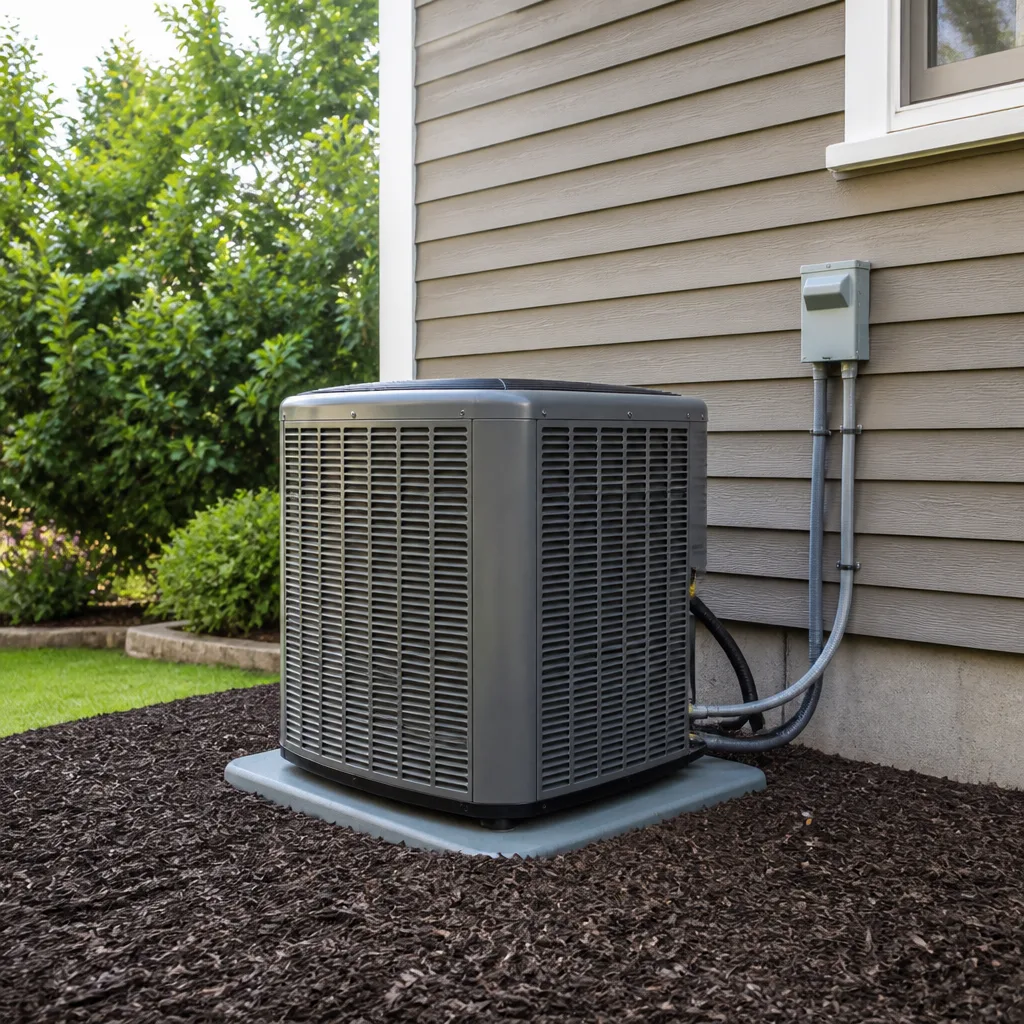 AC repair
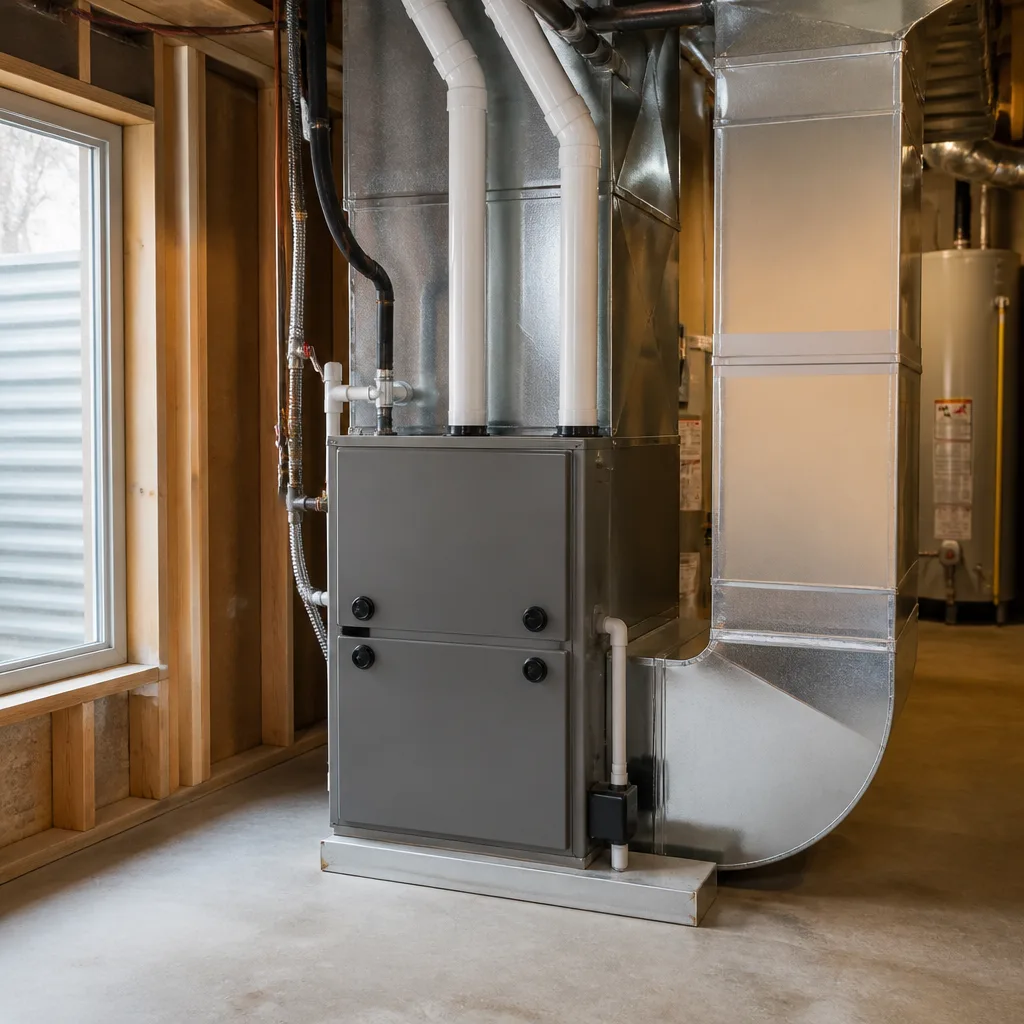 Furnace & heating
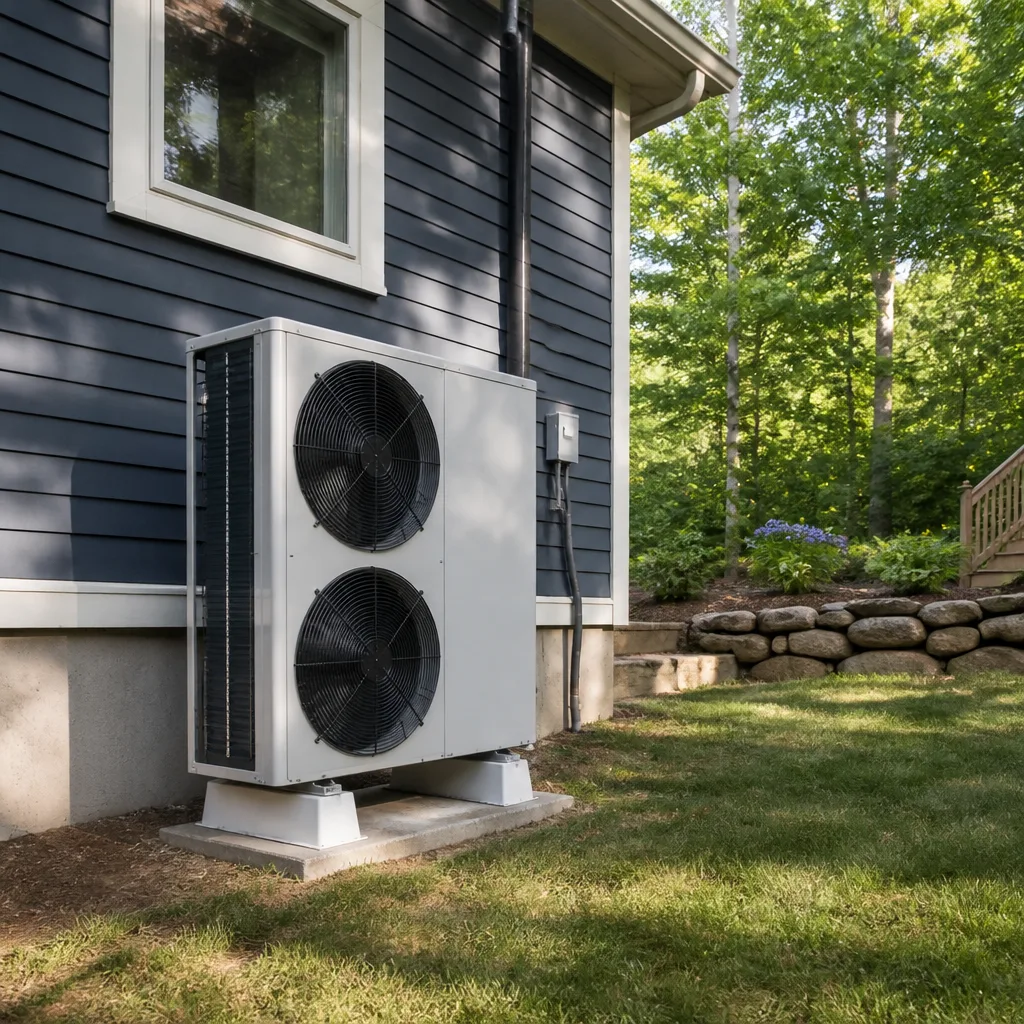 Heat pumps
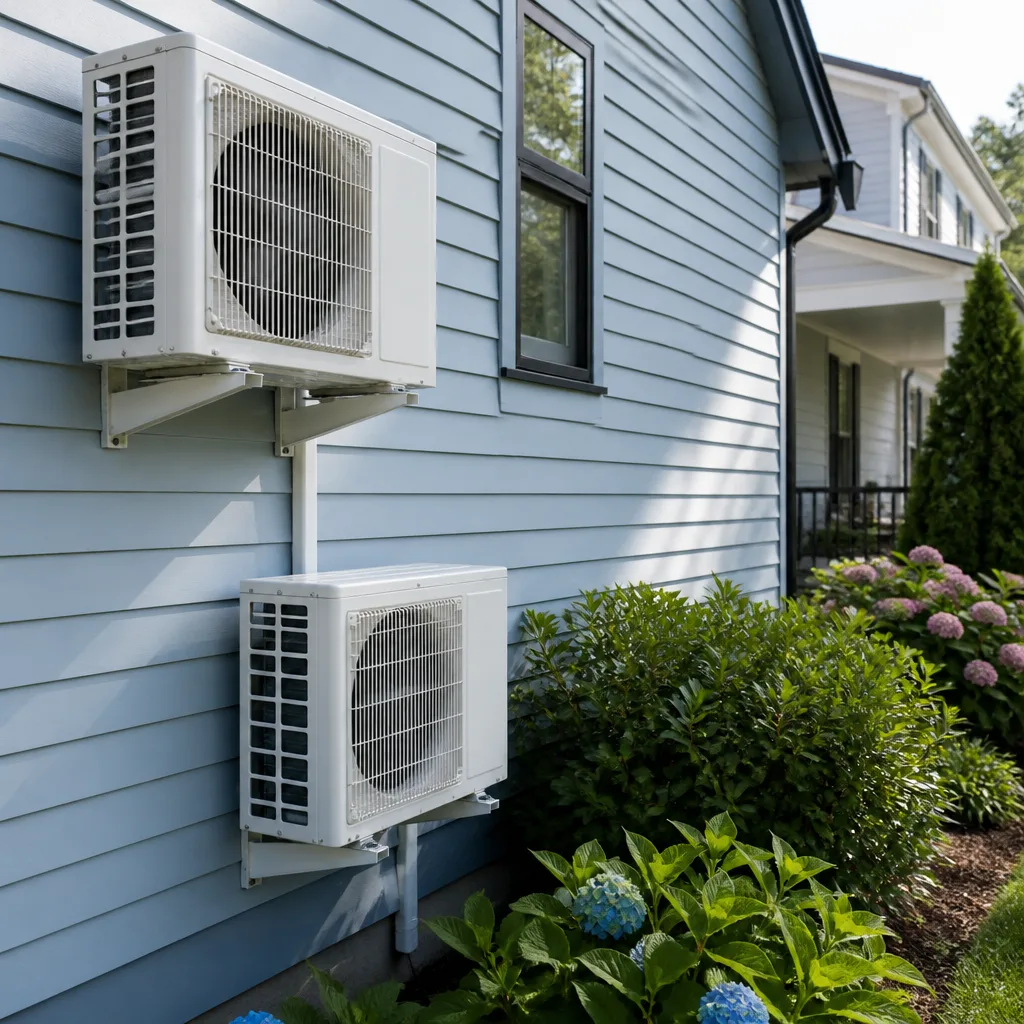 Ductless mini splits
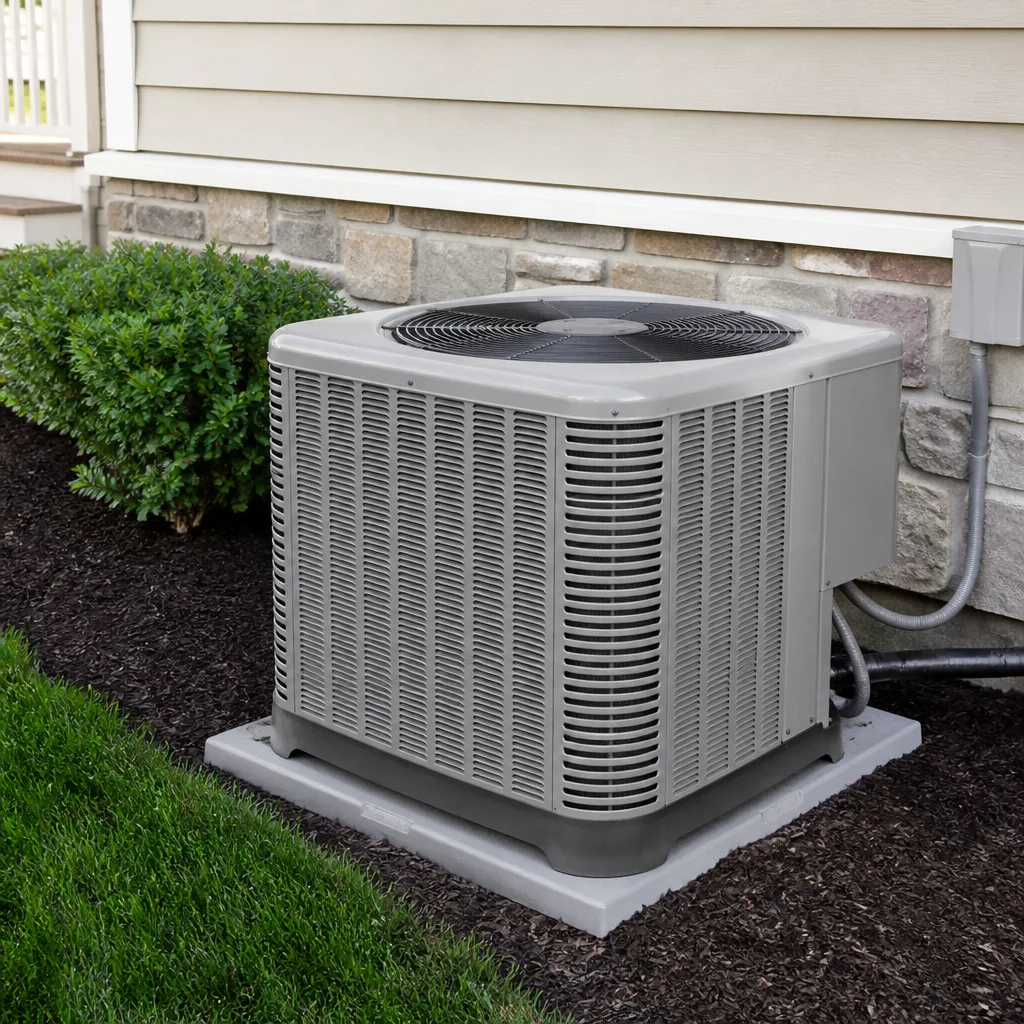 Carrier
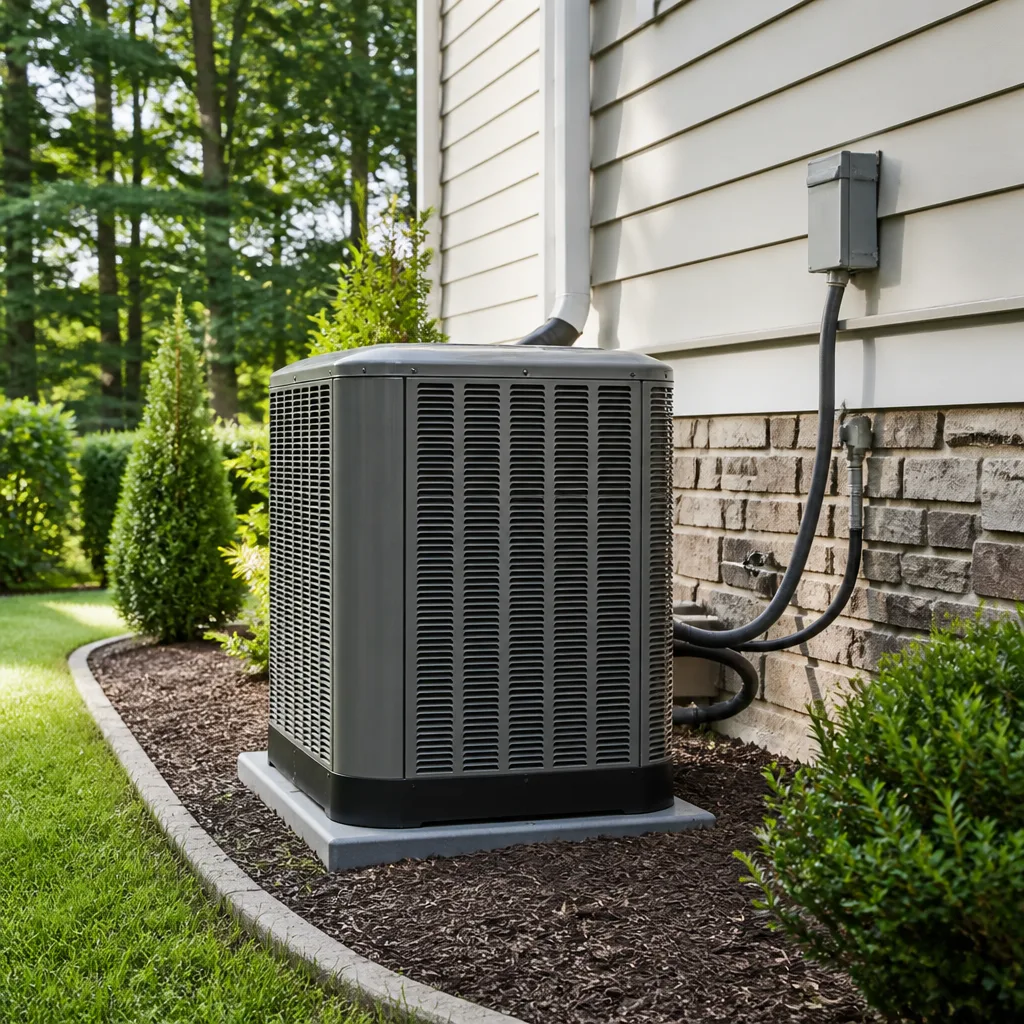 Trane
Trane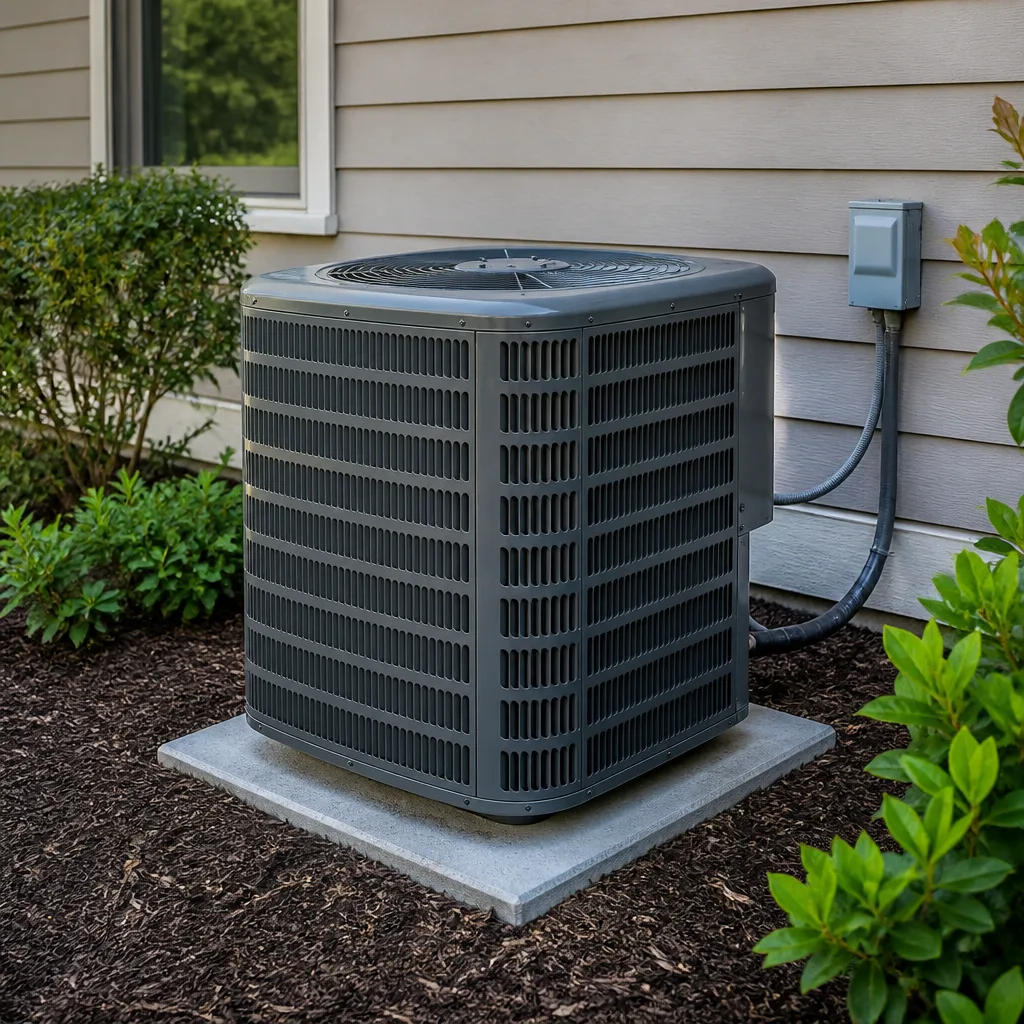 Goodman
Seasonal tune-up and full diagnostic on your Carrier, Trane, or Goodman system - readings shown to you before any repair is proposed
Diagnosis first, numbers second - you approve the repair price before a single part goes in.
Get your free estimateDIY vs Professional HVAC: The Orange County Homeowner’s Decision Guide
Replacing your own air filter: completely legal, free to do, and something every homeowner should do themselves. Recharging your own refrigerant: federally illegal without an EPA Section 608 certification, full stop. The equipment to do it legally costs more than a service call anyway. Most Orange County homeowners don’t realize that the DIY-versus-professional question isn’t really about how handy you are. It’s about where California law draws the line, because several common HVAC tasks are legally restricted to licensed contractors regardless of homeowner competence, and crossing that line can void equipment warranties and create insurance exposure. This guide draws that boundary precisely so you know exactly where you stand before you touch a single screw, and you can find HVAC Permits, Codes & Inspections in CA: What You Need to Know for deeper detail.
Styles & brands we work with
Quick Answer
In Orange County, homeowners can legally and safely handle basic HVAC maintenance themselves: air filter replacement, thermostat battery changes, condensate drain clearing, coil rinsing, and register cleaning. Anything involving refrigerant, electrical panel connections, gas lines, or full equipment replacement requires EPA Section 608 certification or a California C-20 license. Attempting restricted work can void your manufacturer warranty and create liability your homeowner’s insurance may not cover. When in doubt, the expense of a service call is usually less than the cost of fixing a DIY mistake; see our How to Hire a HVAC Contractor in Orange County: A Step-by-Step Guide to choose wisely.
Table of Contents
- The Legal Line: What California and Federal Law Actually Restrict
- The DIY-Safe List: Five Tasks Every Homeowner Can Handle
- The Hidden Cost of DIY Mistakes Specific to HVAC
- How Manufacturer Warranties Respond to Owner-Performed Repairs
- The Decision Tree: Three Questions Before You Start
- Orange County-Specific Factors That Change the Math
- Common Mistakes to Avoid
- When to Call a Professional
- Frequently Asked Questions
- The Bottom Line
The Legal Line: What California and Federal Law Actually Restrict
Most homeowners assume the line between DIY and professional work is about complexity. It isn’t. It’s about statute. Three layers of regulation govern what you’re allowed to touch on your own HVAC system in Orange County, and they apply whether you’re in Irvine, Anaheim, Santa Ana, or Huntington Beach.
EPA Section 608: Refrigerant Handling
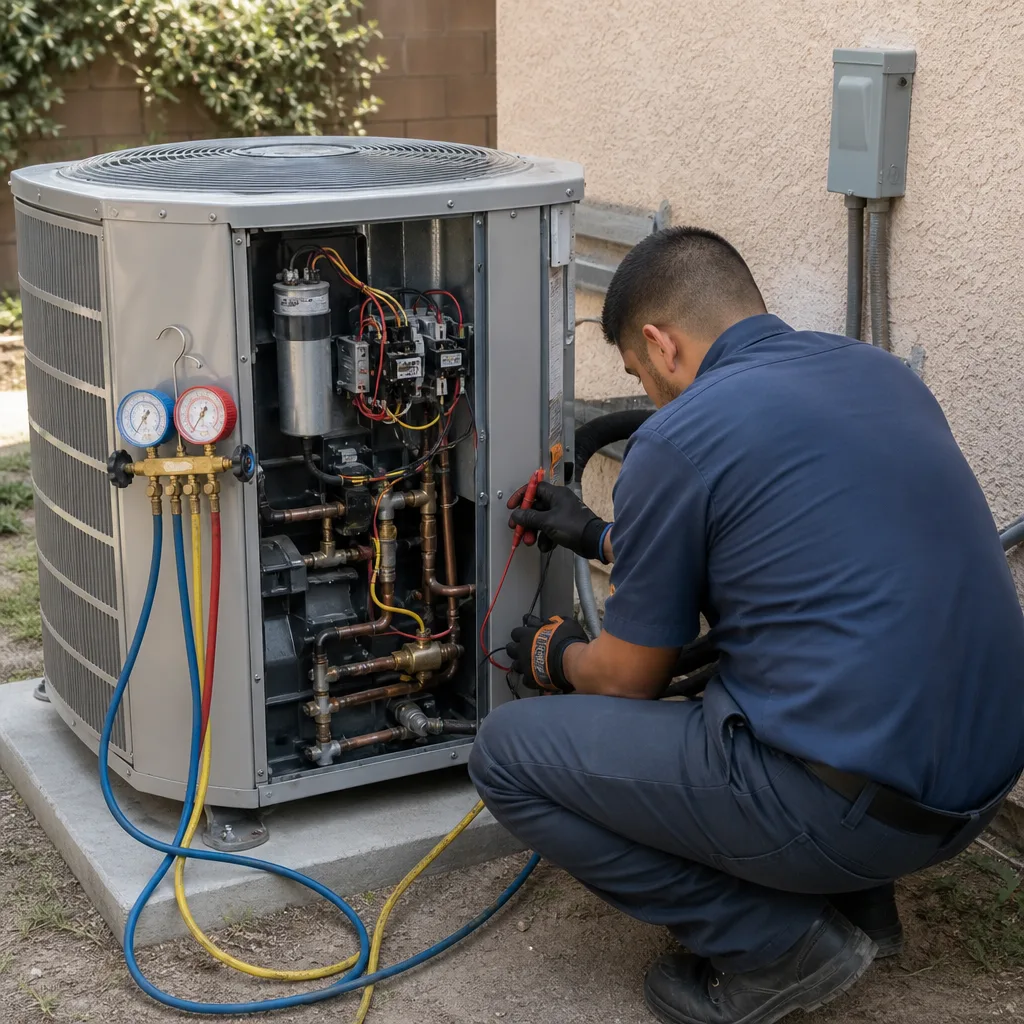
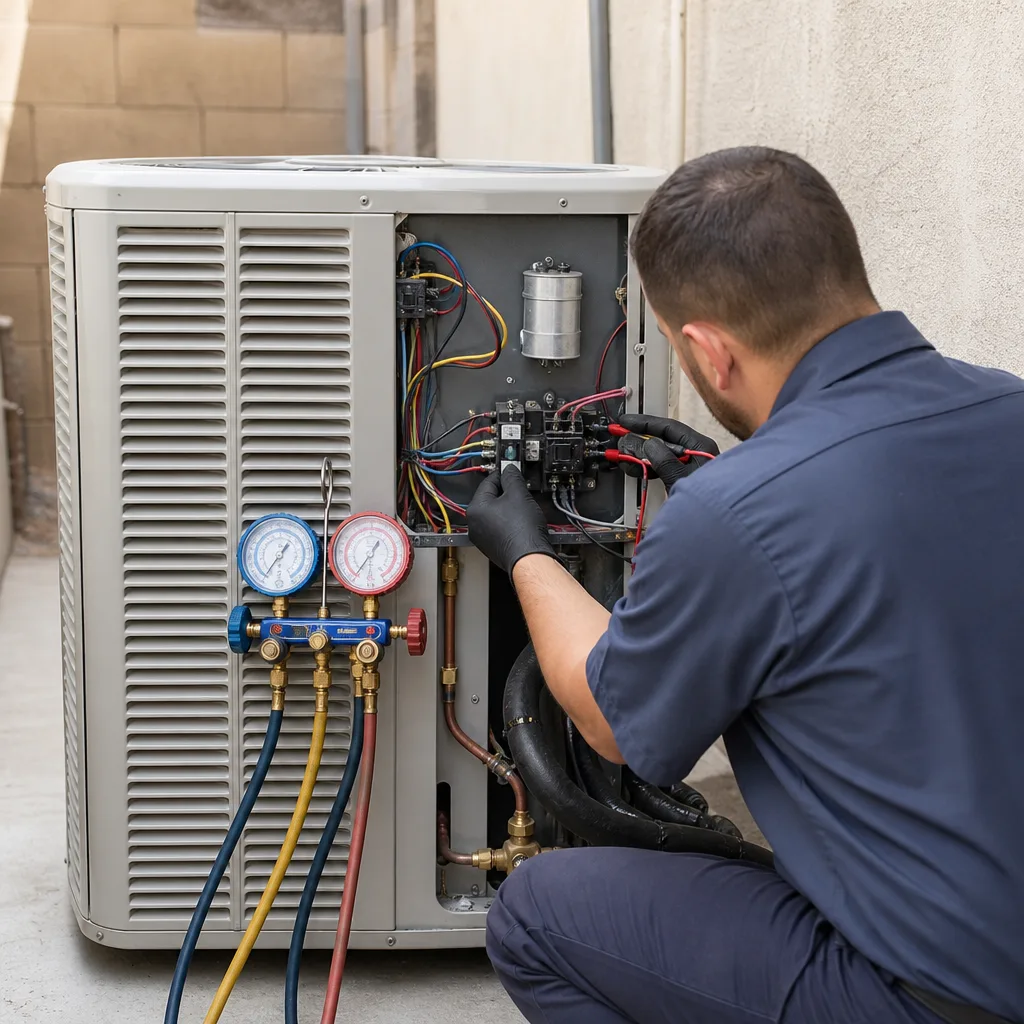
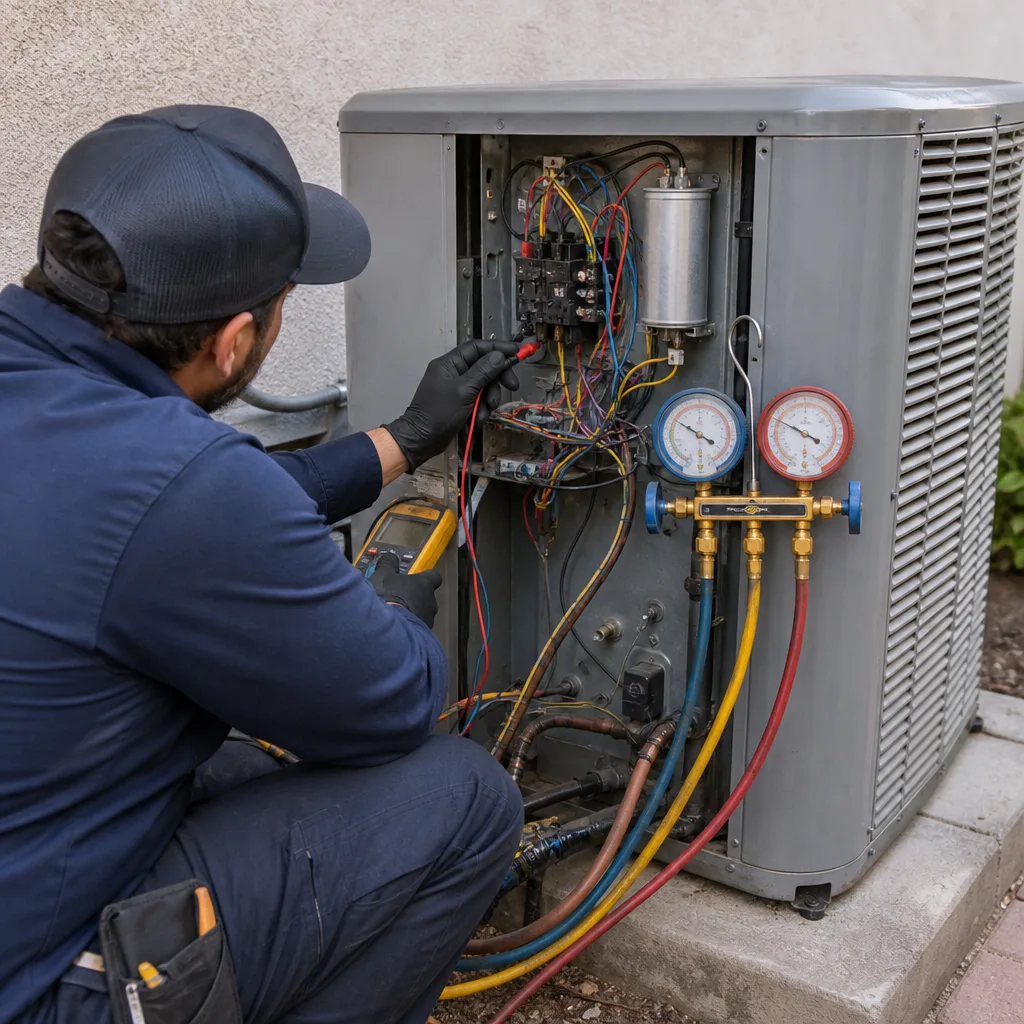
The Clean Air Act, specifically Section 608 of the federal code, prohibits anyone without EPA certification from purchasing, handling, or adding refrigerant to any system containing ozone-depleting substances or their replacements. This covers R-22 (Freon) and R-410A (Puron), the two most common refrigerants in older Orange County homes. The certification itself costs around $25 to $100 for the exam, but that’s not the real barrier. The manifold gauge sets, recovery machines, vacuum pumps, and refrigerant tanks required to do the work legally start around $1,200 and climb from there. And you can’t legally buy refrigerant without the certification number in hand. A full AC repair in Orange County that involves refrigerant typically runs between $200 and $400 for the recharge itself. The math rarely favors buying the equipment.
California C-20 License: Equipment Replacement
California Business and Professions Code Section 7026.11 requires a C-20 Warm-Air Heating, Ventilating and Air-Conditioning Contractor license for anyone who installs, alters, or replaces HVAC equipment. This includes swapping out a condenser, installing a new furnace, or running new ductwork. The license requires four years of journeyman experience, a passing score on both the law and trade exams, and a contractor’s bond. It exists for a reason: improperly installed equipment creates fire hazards, carbon monoxide risks, and efficiency losses that a homeowner may not notice until the damage is done. When Meadowsweet Heating and Air Orange County replaces a furnace or AC unit, we pull the required permits and schedule the required inspections. That paperwork becomes part of your home’s permanent record, which matters when you sell.
Local Permit Rules
Orange County cities generally require mechanical permits for equipment replacement and for any work that alters ducting or gas connections. The permit fees range from about $75 to $250 depending on the municipality, and the inspection verifies that the installation meets current California Mechanical Code and Title 24 energy standards. A homeowner who skips the permit saves a couple hundred dollars up front and creates a disclosure problem when selling the home. Real estate transactions in Orange County routinely turn up unpermitted HVAC work, and it becomes a negotiating point against the seller. The permit isn’t bureaucracy. It’s the document that proves the work was done to code.
The DIY-Safe List: Five Tasks Every Homeowner Can Handle
You don’t need a license for everything. Here are the five maintenance tasks that are legal, safe, and straightforward for a homeowner, with honest difficulty ratings and the specific supplies each one requires.
- Air filter replacement (Difficulty: 1/5). The filter sits in the return grille or the air handler, and most slide out without tools. What you need: a replacement filter that matches the exact dimensions printed on the old one’s frame, typically 16x20x1, 20x25x1, or 16x25x1 in most Orange County homes. Cost: $8 to $25 per filter. Frequency: every 30 to 90 days depending on pets, pollen season, and whether anyone in the house has allergies. A dirty filter restricts airflow, which makes the blower work harder and raises your energy bill. That’s the entire task.
- Thermostat battery replacement (Difficulty: 1/5). If your thermostat display is blank or flickering, it’s usually two AA or AAA batteries behind a snap-off faceplate. What you need: the right battery size and about 30 seconds. Cost: under $5. If the display stays blank after battery replacement, the issue is electrical and belongs to a professional.
- Condensate drain clearing (Difficulty: 2/5). The white PVC pipe near your indoor unit carries condensation outside. Algae and dust build up over time and clog it. What you need: a wet/dry vacuum to suction the outdoor drain line opening, or a cup of white vinegar poured through the indoor cleanout port. Cost: $0 to $10 if you already own the vacuum. A clogged drain trips a float switch that shuts off your AC, and in Orange County humidity that happens fast. If the water backs up onto your floor, you’ve waited too long.
- Condenser coil rinsing (Difficulty: 2/5). The outdoor unit’s coil fins collect dust, grass clippings, and pollen, especially in Orange County neighborhoods with mature landscaping. What you need: a garden hose with a spray nozzle set to low pressure, and the unit turned off at both the thermostat and the breaker. Cost: $0. Rinse from the top down, straight at the fins, never at an angle and never with a pressure washer, which will fold the aluminum fins and reduce efficiency by restricting airflow.
- Register and vent cleaning (Difficulty: 1/5). Remove the floor or ceiling registers with a screwdriver, vacuum the visible duct opening, and wipe the register grilles with warm, soapy water. What you need: a screwdriver and a vacuum with a hose attachment. Cost: $0. This improves airflow and removes the dust that would otherwise recirculate through the house. Do not reach anything into the ductwork beyond what your vacuum can access. Duct cleaning beyond the first few inches is professional territory.
None of these five tasks requires touching refrigerant, gas lines, electrical panels, or the sealed system. That’s the legal line, and these stay safely on the homeowner’s side of it.
The Hidden Cost of DIY Mistakes Specific to HVAC
The most common DIY HVAC mistake in Orange County isn’t a botched compressor swap. It’s an incorrectly installed thermostat. And the damage it causes is painfully expensive.
A thermostat that’s wired wrong, placed in direct sunlight, mounted near a heat source, or set up with incorrect cycle thresholds will cause short-cycling. That’s when the AC or furnace turns on and off every few minutes instead of running a complete cycle. Short-cycling forces the compressor to start against pressure over and over, which builds up heat in the windings and breaks down the internal lubricant. The compressor is the most expensive component in the system.
Compressor replacement on a typical residential AC unit in Orange County runs between $1,800 and $3,400 depending on the brand and tonnage. On older R-22 systems, the compressor alone may cost more than the remaining value of the whole unit, which pushes you toward full AC installation in Orange County at $8,000 to $16,000 depending on system size and efficiency. A thermostat costs $30 to $250. The risk-adjusted math isn’t close.
Other costly DIY mistakes we’ve seen in homes across Orange County include: over-tightening valve caps on Schrader ports, which strips the threads and vents refrigerant; replacing a capacitor with the wrong microfarad rating, which burns out the compressor start winding within weeks; and using spray foam to seal a condensate drain, which expands and blocks the line completely. Each of these starts as a $20 part and ends as a $1,000-plus repair.
The point isn’t that homeowners aren’t capable. The point is that HVAC systems fail in specific ways that aren’t obvious until you know what to look for, and the parts are unforgiving. A wrong move doesn’t just not fix the problem. It creates a bigger one.
How Manufacturer Warranties Respond to Owner-Performed Repairs
Every major HVAC manufacturer includes a clause in its warranty documentation that voids coverage for damage caused by “improper installation, application, service, or maintenance.” That language appears in the warranty certificates for Bryant, American Standard, Carrier, and Trane equipment, and it’s deliberately broad.
Here’s what that means in a claims context. If your compressor fails at year four of a ten-year parts warranty, the manufacturer’s claims adjuster will ask for the service history before approving a replacement. If the failure can be traced to a cause that falls under “improper service” – a DIY refrigerant top-off, a mismatched capacitor, an incorrect thermostat wiring job – the claim is denied. You eat the full cost of the part, typically $1,500 to $2,800 for a compressor, plus labor.
The warranty also requires that all service work be performed by a “qualified” service provider. The term isn’t defined in most warranty documents, but manufacturers interpret it as a licensed HVAC contractor. A homeowner’s own labor, no matter how competent, doesn’t qualify. That’s frustrating, and it’s the actual contract you agreed to when the system was installed.
There’s a second layer. Many Orange County homes bought new with systems registered under the builder’s warranty transfer. Those programs often have stricter documentation requirements: every service visit logged, every part numbered and recorded. A homeowner who opens the cabinet and replaces something without documentation has effectively ended that coverage.
The practical takeaway: read your warranty before you touch anything beyond a filter. The language is in there, and it’s enforceable. If the work falls outside the DIY-safe list above, the warranty math says call a contractor. The service call costs less than the voided coverage.
The Decision Tree: Three Questions Before You Start
Before any DIY HVAC task, work through these three questions in order. They’ll tell you in under a minute whether the risk-adjusted cost favors you or a professional.
- Does this task require touching refrigerant, gas lines, or electrical panel wiring? If yes, stop. These are legally restricted. Refrigerant requires EPA Section 608 certification. Gas lines and panel connections require a C-20 license in California. There is no DIY version of this work, regardless of your skill level. If no, continue.
- What does the failure cost if I get it wrong? The relevant number isn’t the cost of the part. It’s the cost of the damage. A thermostat swap that goes wrong can cost you a $2,500 compressor. A capacitor with the wrong rating can burn out a $300 motor and the $600 control board behind it. Multiply the failure cost by an honest estimate of your error rate, then compare that number to the service call. If the expected cost of failure exceeds the service call, hire someone.
- Is my equipment still under manufacturer warranty? If yes, and the task is anything beyond filter replacement and basic cleaning, the warranty likely requires a licensed contractor’s documentation. The warranty is an asset worth protecting. A $150 diagnostic visit preserves it. A $40 DIY attempt can void it. If the equipment is over ten years old and out of warranty, the flexibility opens up, but the legal restrictions on refrigerant and gas work still apply.
If you answer all three questions honestly and still land on “do it myself,” the DIY-safe list above is your scope. Everything else belongs to a licensed contractor.
Orange County-Specific Factors That Change the Math
Orange County’s climate shapes HVAC decisions in ways homeowners in other regions don’t face. The coastal marine layer keeps places like Newport Beach and Laguna Niguel cool and damp for months, which means condensate drains clog faster and coils develop biological growth that inland cities like Anaheim and Fullerton rarely see. The inland valleys, by contrast, hit 100 degrees in summer, which means a system failure in July is a health risk for an elderly resident or an infant, not just a comfort issue.
The humidity difference matters for DIY work specifically. A homeowner in Mission Viejo who rinses a condenser coil and fails to let it dry thoroughly before restarting creates a mold-friendly environment inside the unit. A homeowner in Yorba Linda who overcharges a condensate line with bleach (a common DIY attempt) risks corroding the aluminum drain pan. The chemistry of the water and air in Orange County varies block to block, and the right procedure in one microclimate is the wrong procedure in another.
There’s also the coastal salt air. Properties within a few miles of the Pacific in places like Dana Point and San Clemente experience accelerated corrosion on condenser coils and electrical connections. A DIY capacitor replacement on a salt-corroded unit may work for a season and then fail when the corroded connectors arc. Professional maintenance in these neighborhoods includes corrosion inspection and treatment that a homeowner’s visual check misses.
Finally, Orange County’s Title 24 energy standards are stricter than most of the country. Any equipment replacement requires compliance documentation, HERS verification on new systems, and permit closeout. A homeowner who installs a unit without this paperwork creates liability in a home sale. The disclosure forms are specific: “Was all work performed under permit?” is a yes-or-no question with legal consequences for the answer.
Common Mistakes to Avoid
- Adding refrigerant to a system with a leak. A low-charge system has a hole in it somewhere. Adding refrigerant without finding and repairing the leak violates EPA regulations and wastes the refrigerant you paid for. The system will be low again within weeks.
- Using a pressure washer on condenser coils. The water pressure folds the aluminum fins flat, which chokes airflow and raises operating temperatures. In Orange County’s inland heat, that’s a fast track to compressor failure. Use a garden hose on low.
- Replacing a thermostat without photographing the old wiring first. Terminal labels differ between brands, and a miswired thermostat can blow the low-voltage fuse, damage the control board, or short-cycle the compressor. Take the photo before you remove a single wire.
- Sealing duct joints with duct tape. Despite the name, duct tape fails within a year on HVAC ducting, especially in Orange County attics where summer temperatures exceed 130 degrees. It dries, peels, and leaks. Use foil-backed mastic tape, or call a professional for anything beyond a visible surface gap.
- Ignoring a tripped breaker and resetting it repeatedly. A breaker that trips more than once is telling you something is drawing too much current. Resetting it over and over until the unit “works” is how compressors die and panels arc. One reset is fine. Two is a service call.
- Over-tightening service caps on refrigerant lines. The brass threads on Schrader valve caps strip easily, and a stripped cap means refrigerant escapes. Hand-tight plus a quarter turn is the spec. Overtightening is one of the most common DIY failures we fix.
- Buying a filter by physical size match only. MERV ratings matter. A MERV 13 filter in a system designed for MERV 8 raises static pressure enough to stress the blower motor. Match the MERV rating on the old filter unless you know your system can handle the restriction.
When to Call a Professional
Call a licensed contractor when the AC blows warm air in summer, when the furnace won’t ignite in winter, when you smell anything burning or gas-like near the equipment, when the breaker trips twice, when you see ice on the refrigerant lines, or when any repair involves refrigerant, gas, or panel wiring. These aren’t DIY-adjacent problems. They’re failures that require diagnosis equipment, legal certification, and the ability to stand behind the repair. Meadowsweet Heating and Air Orange County home services covers everything from a no-cooling call in July to a full system replacement with permits pulled and inspections scheduled. Every visit includes a written price before any work starts, so you know the number before you commit. Call (831) 618-1580 for a free estimate anywhere in Orange County.
Frequently Asked Questions
Basic maintenance like filter replacement, drain clearing, and coil rinsing is legal for homeowners in Orange County. Anything involving refrigerant requires EPA Section 608 certification, and equipment replacement or gas or electrical work requires a California C-20 contractor license. Doing restricted work without these credentials violates state and federal law. Call (831) 618-1580 if you’re unsure which category your repair falls into.
A diagnostic service call at most Orange County HVAC companies runs between $79 and $150 depending on the time of day and season, with that fee typically applied toward any repair you approve; for typical project ranges, see our HVAC Cost Breakdown: The Orange County Homeowner’s Reference for 2026. Emergency calls on weekends or summer nights can run $150 to $250 for the visit alone. Meadowsweet Heating and Air Orange County provides a written price before any work starts, so there’s no guessing.
EPA Section 608 makes it illegal to sell or handle most refrigerants without certification because refrigerants deplete the ozone layer and act as potent greenhouse gases. The EPA enforces this with fines up to $44,539 per violation per day. The certification isn’t a gatekeeping tactic. It’s an environmental law with real teeth.
Most manufacturer warranties from brands like Carrier, Trane, Bryant, and American Standard void coverage for damage caused by “improper installation, application, service, or maintenance.” If your DIY work can be connected to the failure, the claim is denied. The safest approach: restrict DIY work to filters and basic cleaning while any equipment is under warranty.
A thermostat replacement is legal and usually straightforward for a homeowner, with one caution: photograph the old wiring before you disconnect anything, and match the system type (heat pump vs. conventional) in the new thermostat’s settings. A misstep here causes short-cycling, which wears out the compressor. If the wiring doesn’t match the instructions clearly, the service call is cheaper than the compressor.
When a repair costs more than 30% of the replacement cost and the system is over 10 years old, replacement is usually the better financial decision in Orange County, especially with newer Title 24 efficiency requirements making modern units cheaper to run. A furnace repair in Orange County on an older system may extend its life, but at a certain point the cumulative repair costs beat a new unit’s price. Call (831) 618-1580 for a straight answer on your specific system’s numbers.
The Bottom Line
The DIY-versus-professional HVAC decision in Orange County comes down to three words: law, warranty, and consequences. Five maintenance tasks belong on the homeowner’s side of the line, and they’re simple enough to handle with basic tools and a little patience. Everything else sits behind EPA Section 608, California C-20 licensing, and manufacturer warranty language that’s written to exclude owner-performed repairs. The smart Orange County homeowner does the free, safe, legal work themselves and calls a licensed contractor for the rest, and can always explore more guides & resources on our blog. The service call costs less than the mistake. That’s the entire guide in one sentence.
Written by Luis Serrano, Owner at Meadowsweet Heating and Air Orange County, serving Orange County since 2004.
See the difference
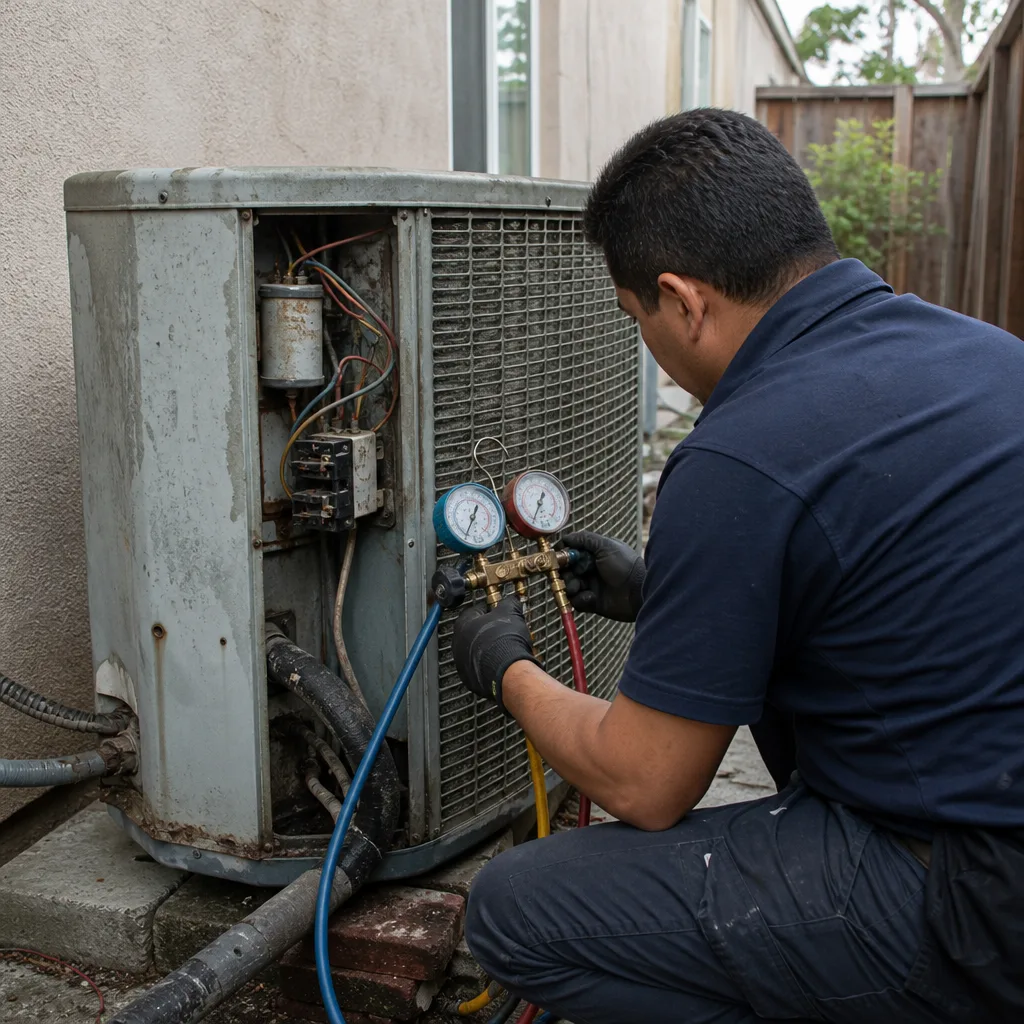 Before
 After
After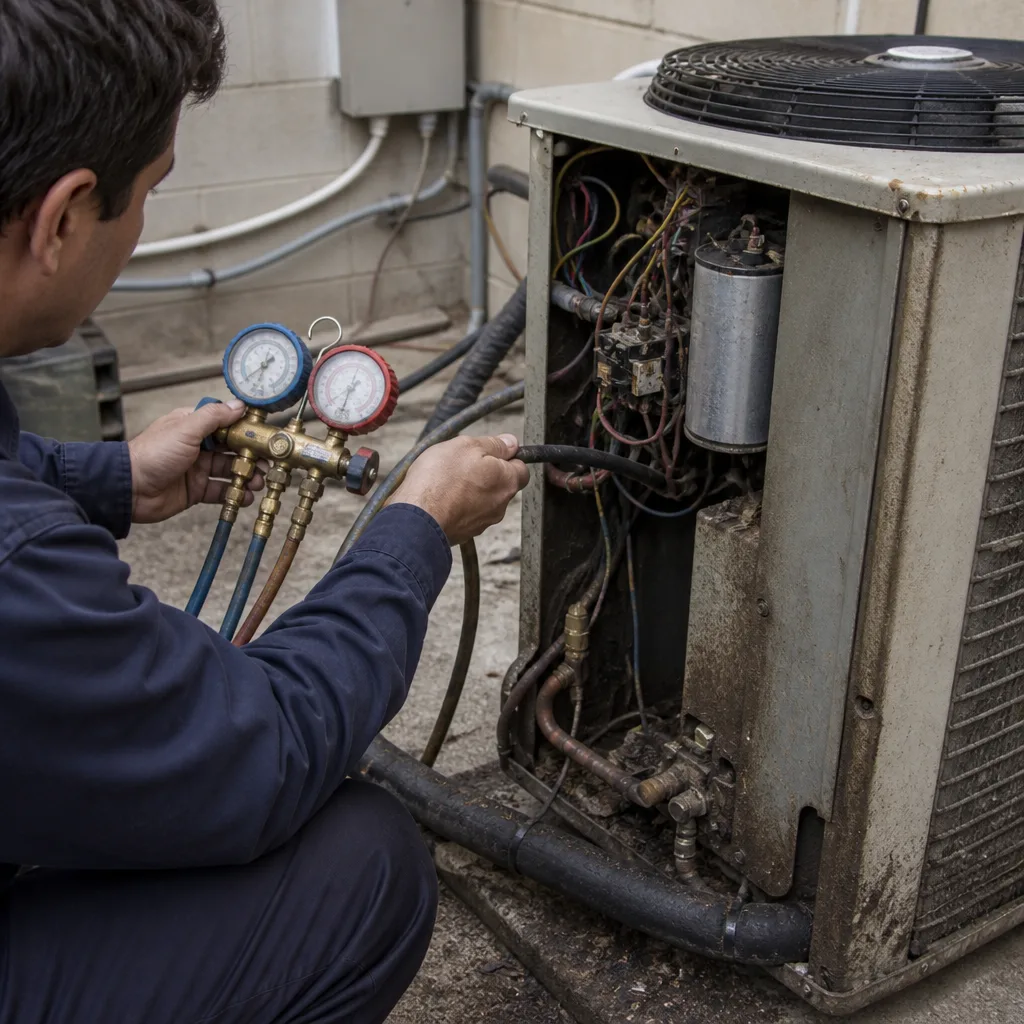 Before
 After
After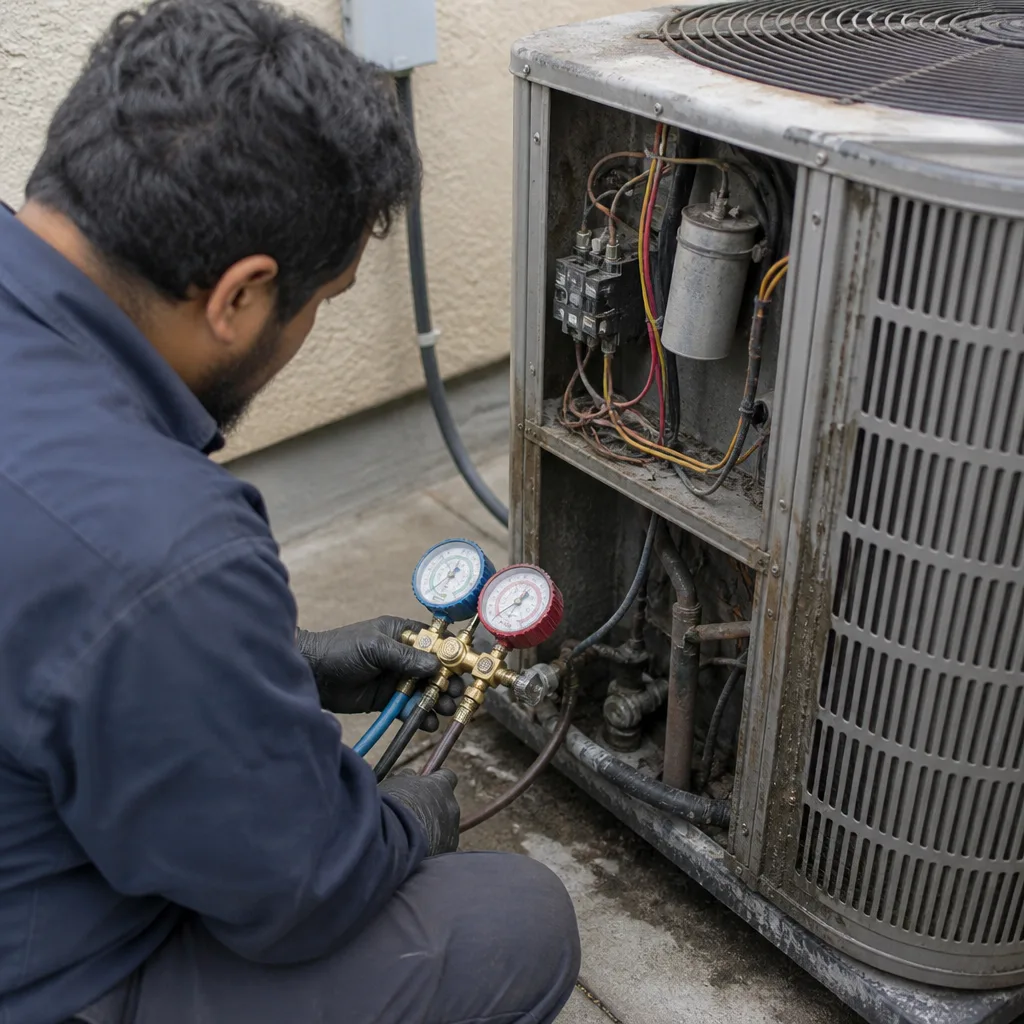 Before
 After
After